



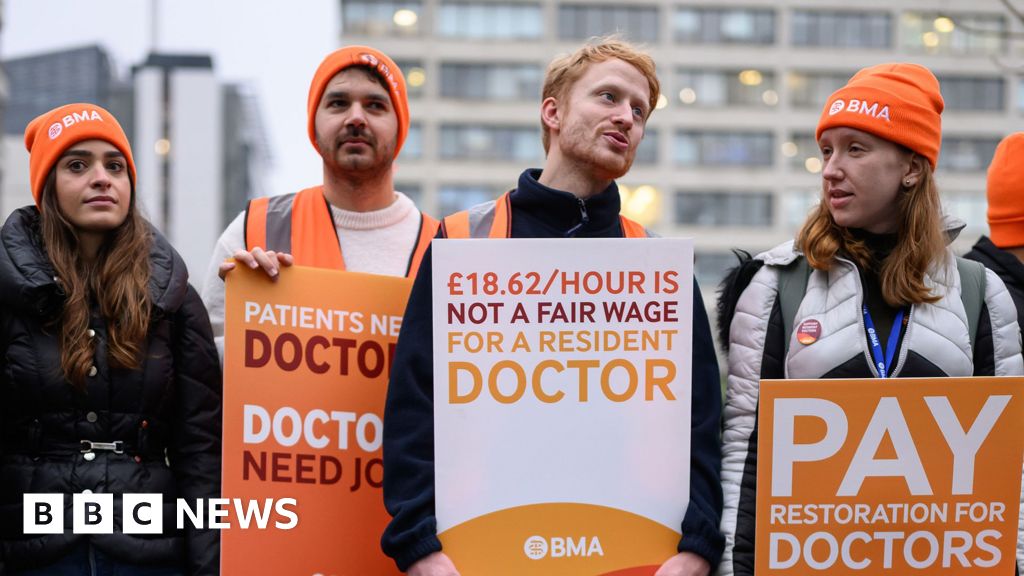
Analysis of the Upcoming Doctor Strike in England
This week, a significant event is set to unfold in the healthcare sector of England, as doctors prepare for a five-day strike despite a new offer from the government. The British Medical Association (BMA) has announced that an overwhelming 83% of its members voted to proceed with the walkout, reflecting deep-seated discontent within the medical community.
Understanding the Context of the Strike
The decision to strike comes after the government proposed a deal that included increasing specialty training posts and covering out-of-pocket expenses, such as exam fees. However, this offer fell short in one critical area: it did not address the pressing issue of pay. Health Secretary Wes Streeting has firmly stated that he will not negotiate on salary, arguing that resident doctors have already seen nearly a 30% pay increase over the past three years. Yet, the BMA contests this claim, asserting that, when adjusted for inflation, doctors’ pay remains significantly lower than it was back in 2008.
The Stakes Involved
As the strike is poised to begin at 07:00 on Wednesday, the implications for the NHS are profound. Streeting has labeled these strikes as “irresponsible and dangerous,” especially given the current pressures on hospitals due to rising flu cases. Here are some key points to consider:
- Flu Surge: The number of patients hospitalized with flu has surged by over 50% in just one week, exceeding 2,600 cases. This year’s flu strain, H3N2, is particularly severe and has raised concerns regarding public immunity.
- Historical Context: This will mark the 14th strike in an ongoing dispute that began in March 2023, indicating a prolonged standoff between the BMA and the government.
- Coverage Complications: During the strike, senior doctors will be brought in to provide coverage, but the absence of nearly half of the medical workforce will undoubtedly affect both emergency and non-urgent care.
Voices from the Frontlines
Dr. Jack Fletcher, a leader within the BMA, stated that the strong response from members clearly indicates a missed opportunity for the government to resolve this issue. He emphasized that a solution must address the pay concerns of doctors, while also ensuring that patient safety remains a priority during the strike. The NHS Confederation has expressed disappointment over the continuation of strikes, highlighting the adverse timing given the current healthcare crisis.
Conclusion
The impending strike is not just a labor dispute; it reflects the broader challenges facing the NHS and its workforce. As the situation develops, it is crucial to monitor how both the government and the BMA navigate these turbulent waters. The stakes are high, and the impact on patient care will be significant. For further insights and details, I encourage you to read the original news article at the source.