



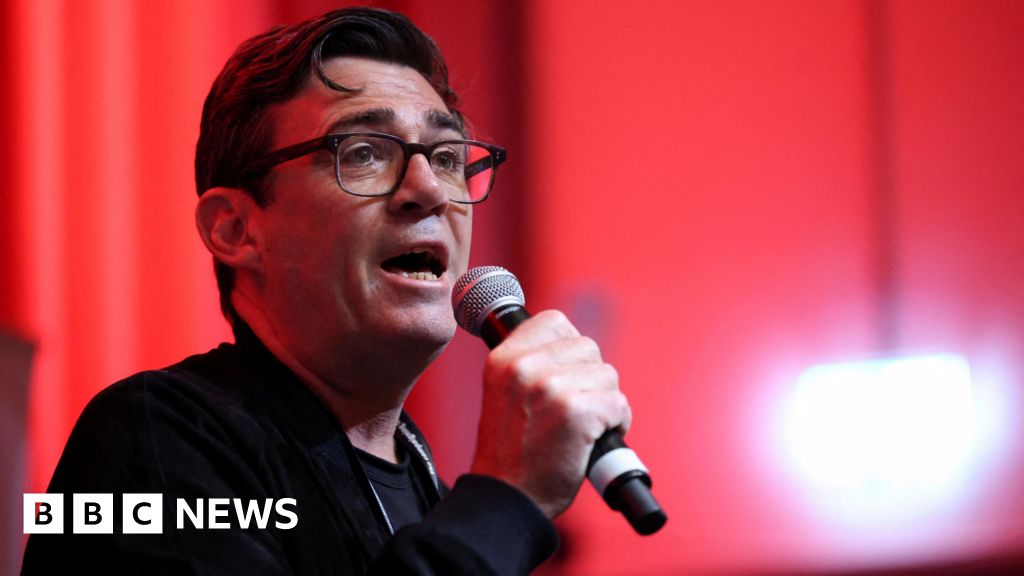
Andy Burnham’s Potential Return: A Political Tightrope
Today, we find ourselves at a crucial juncture in Labour politics as the party’s national executive committee prepares to decide whether to allow Andy Burnham, the popular Mayor of Greater Manchester, to run in the upcoming parliamentary by-election for the Gorton and Denton seat. This decision is not merely procedural; it carries significant implications for the Labour Party’s future direction and leadership dynamics.
The Stakes Involved
The backdrop to this decision is rife with political tension. Burnham’s allies have raised concerns that Prime Minister Sir Keir Starmer and his inner circle may attempt to block Burnham’s candidacy due to fears that his return to Westminster could challenge Starmer’s leadership. Here are the critical points to consider:
- Burnham has expressed his intention to back the Labour government, asserting he does not wish to undermine it.
- His application comes in the wake of Andrew Gwynne stepping down for health reasons, leaving the seat open.
- The Labour Party leadership is grappling with the potential fallout of either allowing a beloved mayor to compete or stifling a candidate who could pose a future threat.
Political Reactions and Implications
The reactions from within Labour have been mixed, highlighting the division among MPs regarding Burnham’s candidacy:
- Support for Burnham: Many Labour MPs back his application, viewing him as a strong candidate who could solidify Labour’s position in a challenging by-election.
- Caution from Leadership: Conversely, some leaders, including Health Secretary Wes Streeting, have raised concerns about the implications of a mayoral election and the costs involved.
- Backing from Peers: Figures like Sadiq Khan and Ed Miliband have voiced their support for Burnham, emphasizing his potential contributions to Parliament.
However, the prospect of Burnham’s candidacy is complicated by the need for Labour to maintain a cohesive front as they prepare for elections in May, including crucial votes in the Welsh and Scottish Parliaments and local councils across England. The fear of internal strife looms large.
Potential Consequences of the Decision
If Burnham is allowed to run and wins, he would need to resign as Mayor, triggering another costly mayoral election—a move that could be viewed unfavorably by the party and the taxpayer alike. The last mayoral election in Greater Manchester cost approximately £4.7 million and would further strain party resources, especially as Labour’s popularity appears to be waning.
A Narrative of Change
Burnham’s public statements reveal his motivations clearly. He has articulated a vision for a different kind of politics, one that seeks to unify rather than divide. His call for change resonates with many constituents who feel left behind. As he noted:
- “There is a direct threat to everything Greater Manchester has always been about from a brand of politics which seeks to pit people against each other.”
- His departure from Westminster nearly a decade ago was based on a belief that the system was failing the people of Greater Manchester.
This narrative of advocating for the Greater Manchester populace while simultaneously seeking a return to a national platform is both compelling and fraught with risk. Labour must weigh the value of Burnham’s leadership potential against the possibility of internal conflict and electoral challenges.
Conclusion
As we await the decision from the national executive committee, one thing is clear: the political landscape within Labour is shifting, and the implications of this decision will be felt far beyond Gorton and Denton. The choices made today could very well set the tone for the party’s future leadership and electoral viability.
For those interested in the original details of this unfolding narrative, I encourage you to read the original news article.