



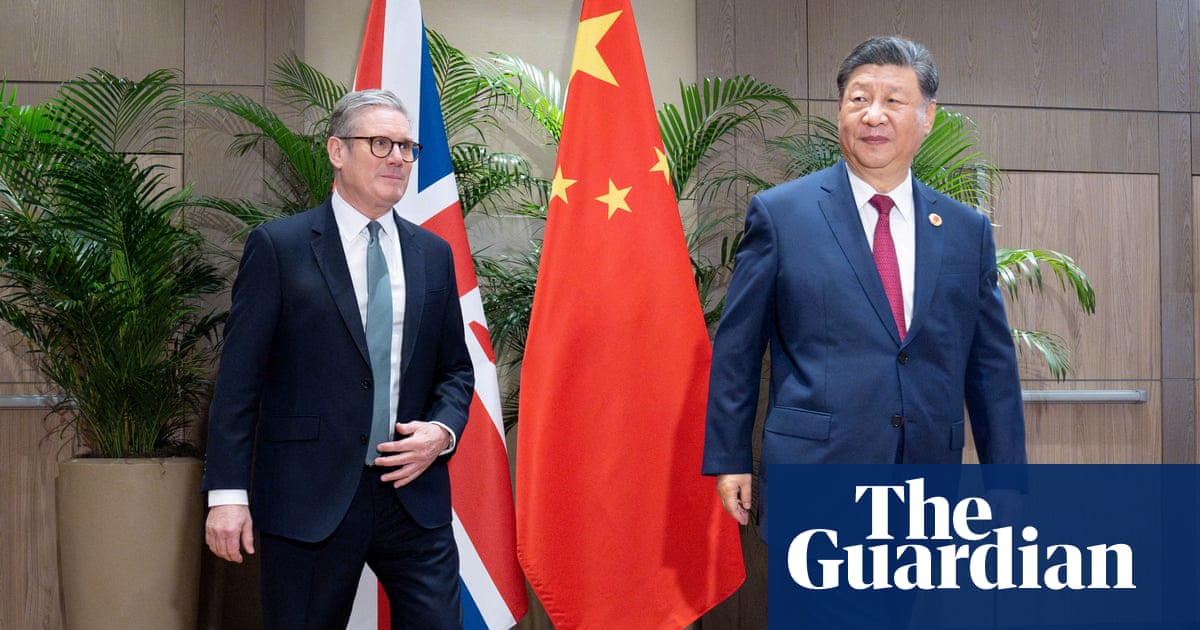
Keir Starmer’s Upcoming Visit to China: A Strategic Move or a Risky Gamble?
As we look ahead to Keir Starmer’s scheduled visit to China next week, the implications of this trip cannot be overstated. With the UK government recently approving the construction of a significant Chinese embassy in London, the political landscape is more charged than ever. Let’s delve into the details and analyze what this means for UK-China relations.
Key Developments Surrounding the Visit
Starmer’s delegation will include prominent representatives from major British companies such as BP, HSBC, and Rolls-Royce. This signals a renewed interest in strengthening economic ties with China. Here are some critical points to consider:
- Government Approval: The green light for the new embassy near the Tower of London was granted after assurances from spy chiefs that national security risks could be managed.
- Local Opposition: Despite the government’s approval, local residents are planning to legally challenge this decision, indicating significant public dissent.
- Past Controversies: The backdrop of this visit includes a previous scandal around dropped espionage charges against individuals linked to China, which still looms large in public consciousness.
International Context and Strategic Considerations
The visit comes at a time when diplomatic relations globally, particularly involving China, are under scrutiny. The recent tensions regarding Greenland, where the U.S. views Chinese activity as a security threat, further complicate the narrative. Here are some insights:
- Geopolitical Tensions: The ongoing diplomatic crisis in the Arctic involving China and the U.S. casts a shadow over Starmer’s intentions.
- Historical Context: The UK-China CEO council, initiated during what was termed a “golden era” in 2018, is being revisited, highlighting the cyclical nature of these diplomatic relationships.
- Business Interests: The participation of major UK corporations indicates a strong economic motivation behind Starmer’s visit, which could benefit both nations if handled correctly.
Public Sentiment and Political Reactions
The government’s decision has drawn criticism across the political spectrum. It’s essential to understand how public sentiment may influence the success of Starmer’s mission:
- Political Opposition: MPs from various parties have voiced their concerns, reflecting a broader unease about China’s growing influence.
- Civic Engagement: Local residents’ plans to challenge the embassy construction signal a robust civic response that could complicate future diplomatic engagements.
- Public Trust: The handling of this situation will be crucial for the government to maintain public trust in its foreign policy decisions.
Conclusion: Navigating a Complex Relationship
Starmer’s visit to China could represent a pivotal moment in UK-China relations, balancing economic opportunities against national security concerns. The path ahead is riddled with challenges, but if approached with caution and transparency, it may yield positive outcomes for both nations.
For those interested in a deeper dive into the unfolding story behind Starmer’s visit and its broader implications, I encourage you to read the original news article.