



Escalating Violence: The Human Cost of Conflict in Lebanon
The recent events in Lebanon have shed light on the tragic consequences of war, particularly the devastating impact on healthcare workers. On Friday night, a strike by Israeli forces claimed the lives of 12 medical professionals at a healthcare facility in Burj Qalaouiyah, bringing the total number of healthcare personnel killed to 31 within just 12 days. This incident raises serious questions about the conduct of military operations and adherence to international humanitarian law.
The Tragedy Unfolds
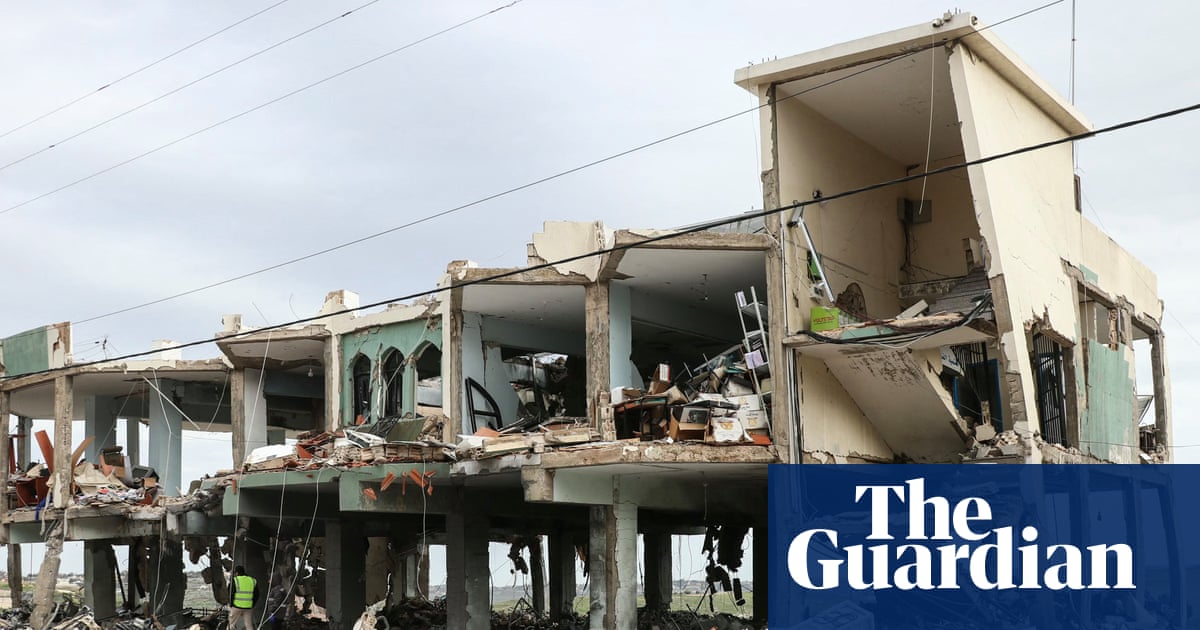
The attack on the medical center resulted in a catastrophic collapse, trapping and killing doctors, paramedics, and nurses who were bravely serving their community. The Lebanese Ministry of Health has condemned this attack as a blatant violation of humanitarian principles. The implications of such actions cannot be overstated:
- War Crimes Defined: Human rights organizations have consistently classified attacks on medical personnel as war crimes, irrespective of their political affiliations.
- Pattern of Aggression: Reports indicate that Israel has conducted at least 37 attacks on healthcare facilities and workers in Lebanon since the onset of hostilities.
- Escalating Conflict: The current conflict, ignited by Hezbollah’s rocket fire on March 2, has escalated significantly, with Israeli forces intensifying their military response.
Human Toll and Displacement
The human cost of this conflict is staggering. According to the Lebanese Ministry of Health, the death toll from Israeli strikes has reached at least 826, with approximately 1 million people displaced from their homes. These figures highlight the urgent need for humanitarian intervention and peace efforts.
Claims and Counterclaims
In a recent statement, Israeli military spokesperson Avichay Adraee accused Hezbollah of misusing ambulances for military operations, claiming that Israeli forces would operate in accordance with international law if such activities ceased. However, no credible evidence has been provided to substantiate these assertions. In contrast, the Lebanese Ministry of Health has categorically rejected these claims, labeling them as unfounded justifications for acts of aggression.
Historical Context and Future Implications
This is not the first time that similar accusations have surfaced. Historically, during the prolonged Israel-Hezbollah conflict, similar claims were made without substantial proof, resulting in significant casualties among healthcare workers. Additionally, a UN inquiry previously accused Israel of war crimes related to attacks on Gaza’s healthcare system, raising concerns about the potential for repeated patterns of violence in Lebanon.
Humanitarian organizations have expressed alarm that these accusations could serve as a pretext for further attacks on medical facilities in Lebanon, which are already under immense strain due to ongoing conflict.
International Humanitarian Law at a Crossroads
It is crucial to remember that under international humanitarian law, medical personnel are afforded civilian status and protection, irrespective of their political affiliations. The disregard for these principles not only endangers lives but also undermines the foundation of humanitarian efforts in conflict zones.
As we reflect on these developments, it is imperative that we advocate for the protection of healthcare workers and urge all parties involved to adhere to international laws designed to safeguard civilian lives during armed conflict.
For further details on this tragic situation, I encourage you to read the original news article here.