



US Military Operation in Venezuela: A Turning Point
The recent capture of Venezuelan President Nicolás Maduro by US forces marks a significant and controversial moment in international relations. As I reflect on the implications of this military operation, it becomes evident that this event is not merely a political maneuver; it poses broader questions about sovereignty, interventionism, and the future of Venezuela.
The Operation Unfolded
According to reports, the US military’s Delta Force executed the capture during a meticulously planned operation termed Operation Absolute Resolve. This operation involved:
- Over 150 aircraft to facilitate the extraction team’s entry into Caracas.
- Extensive intelligence gathering, including information from a CIA source embedded within the Venezuelan government.
- An early morning strike that involved explosions across the capital, indicating a coordinated approach to incapacitate Maduro’s regime.
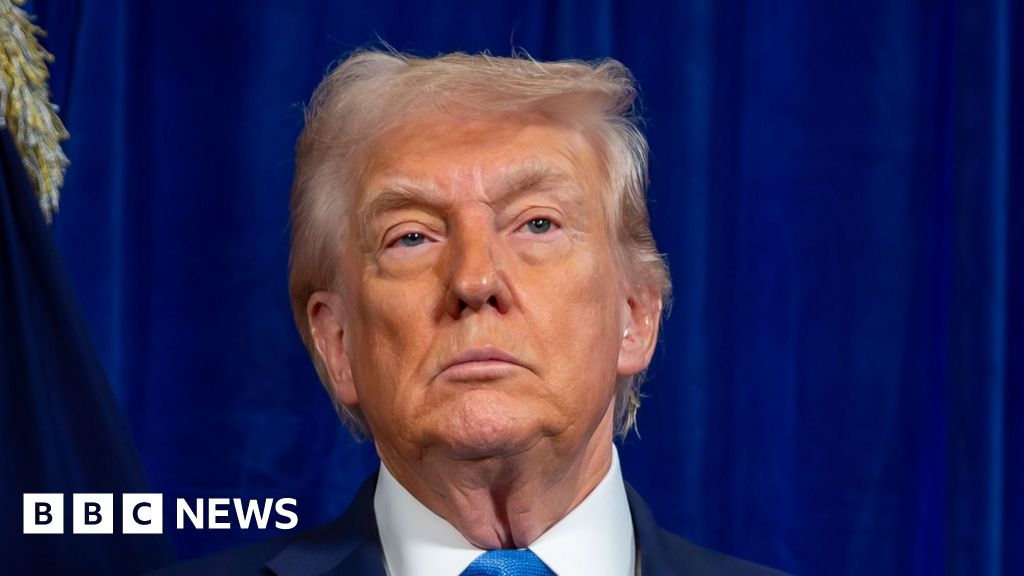
President Donald Trump has boasted about the seamless execution of the operation, claiming no US casualties and asserting that it was a decisive blow to drug trafficking linked to Maduro’s administration. However, the civilian impact of these strikes raises numerous ethical and legal concerns.
Immediate Reactions
The reaction from Venezuela has been one of outrage and defiance. Vice-President Delcy Rodríguez has declared Maduro the “only president” and called for unity among Venezuelans against foreign aggression. The Venezuelan government’s response includes:
- A national emergency declaration.
- Claims of civilian casualties resulting from the US strikes.
- An insistence on resisting foreign military presence.
Furthermore, the Supreme Court of Venezuela has indicated that Rodríguez should assume the role of interim president, although the legitimacy of this transition is highly contested both domestically and internationally.
International Implications
This military action has ignited a firestorm of criticism globally. Nations such as Russia, China, and various Latin American countries have condemned the US for what they view as a violation of Venezuela’s sovereignty. Key points of concern include:
- The potential for increased instability in Latin America.
- The precedent set for international military interventions under the guise of “restoring democracy.”
- The risk of escalating tensions between the US and its adversaries.
Moreover, the United Nations has expressed alarm, warning that such actions could threaten international peace and stability. The call for dialogue and respect for human rights seems increasingly urgent amidst this tumultuous backdrop.
The Path Forward for Venezuela
As we assess the future of Venezuela, several factors come into play. Trump’s assertion that the US will “run” Venezuela until a “safe and proper” transition occurs raises critical questions about the nature of this intervention. Will it lead to a genuine democratic process, or merely serve as a pretext for US control over Venezuela’s vast oil resources?
Additionally, the role of opposition figures like María Corina Machado could shape the trajectory of Venezuela’s political landscape, though Trump has downplayed her influence. The complexities of Venezuelan politics, paired with the historical context of US interventions, create a scenario ripe for conflict and uncertainty.
Conclusion
The capture of Nicolás Maduro is not just a pivotal event for Venezuela but a significant marker in the geopolitical landscape. As we move forward, it is essential to monitor the unfolding situation closely. The potential for both humanitarian crises and political instability looms large, and the world watches with bated breath.
For further details and a deeper analysis, I encourage you to read the original news article here.