



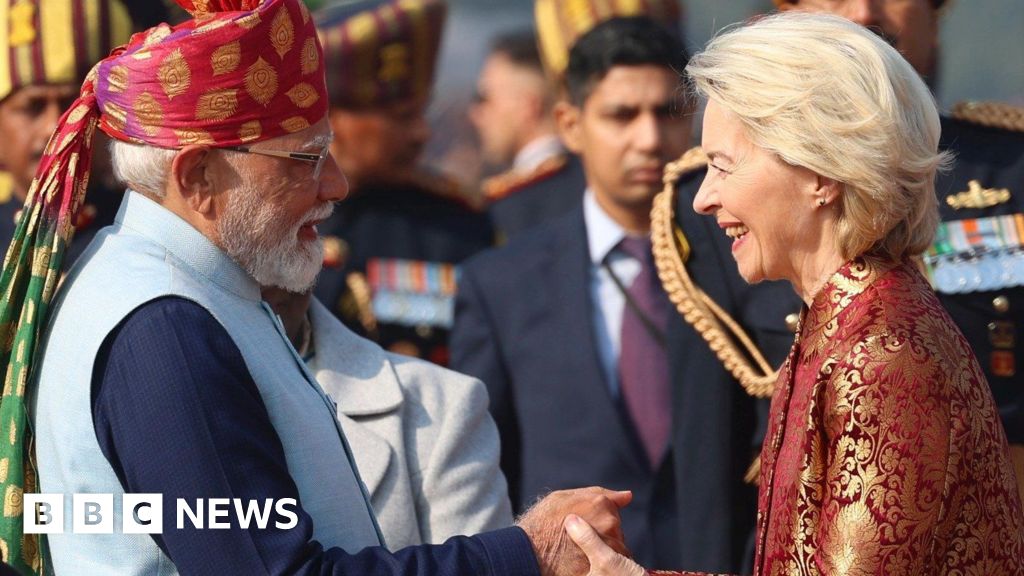
EU and India Forge Landmark Trade Deal Amid Global Tensions
The announcement of a significant trade deal between the European Union (EU) and India marks a pivotal moment in international trade relations, especially in the context of rising protectionism and geopolitical tensions with the United States. After nearly two decades of negotiations, this agreement signals a mutual commitment to fostering deeper economic ties.
A Historic Turn in Negotiations
India’s Commerce Secretary Rajesh Agarwal confirmed that the negotiations have concluded successfully, paving the way for an official announcement. European Commission President Ursula von der Leyen and European Council President António Costa are currently in Delhi, underscoring the importance of this partnership.
- The deal is aimed at countering economic pressures from the US.
- India faces challenges from high tariffs imposed by the previous US administration.
- The EU has recently been navigating its own trade complexities with the US.
As Costa aptly noted, this trade agreement serves as a robust political message: “India and the EU believe more in trade agreements than in tariffs.” This sentiment reflects a growing global desire to move away from protectionist policies that have become increasingly common.
Strategic Importance of the Deal
The EU-India trade deal has far-reaching implications:
- It will enhance market access for Indian exports to Europe.
- European investments and goods, particularly in automobiles and beverages, will find easier entry into India’s economy.
- This partnership represents a significant portion of global GDP and trade, emphasizing its economic weight on the world stage.
Prime Minister Modi highlighted the significance of this partnership, noting that it encapsulates the collaboration between two of the world’s major economies. With the EU being India’s largest trading partner, the potential for growth is immense, with bilateral trade reaching an impressive $136 billion in the upcoming years.
Challenges and Considerations Ahead
Despite this optimistic outlook, the negotiations have not been without their hurdles. Key sticking points have included:
- Access to India’s automobile market.
- Regulatory demands regarding agricultural goods.
- Discussions surrounding carbon-linked tariffs.
Analysts will undoubtedly scrutinize the fine print of the final agreement to assess how these challenges have been addressed. The deal’s formal signing is anticipated later this year, contingent on approvals from the European Parliament and Council.
Global Context and Future Prospects
This trade deal comes at a time when both India and the EU are actively seeking alternative markets for their exporters. India’s recent trade agreements with the UK, Oman, New Zealand, and the European Free Trade Association further illustrate its proactive approach to global trade.
Meanwhile, the EU’s recent agreement with the Mercosur bloc signifies its commitment to expanding its trading footprint in South America. Together, these moves highlight a concerted effort by both India and the EU to enhance their global economic presence amidst a backdrop of rising tensions with the US.
This momentous trade deal signifies a shift in the global economic landscape, where collaboration and mutual benefit take precedence over isolationist policies. It will be intriguing to observe how this partnership unfolds in the coming months and years.
For further details, please read the original news article here.