



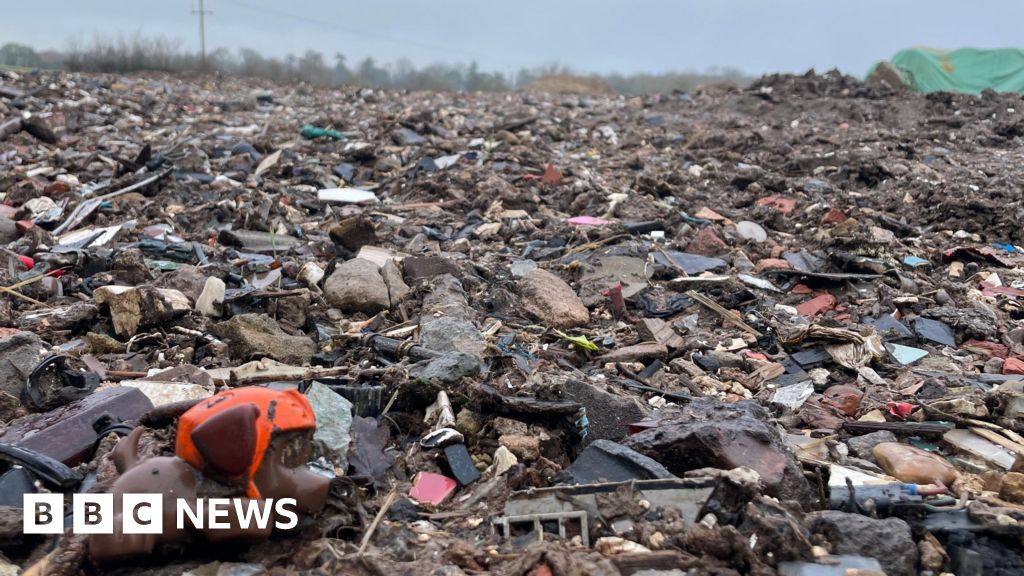
Illegal Waste Dumping in England: An Environmental Crisis
The alarming reality of illegal waste dumping in England has reached critical proportions, overwhelming communities and degrading the environment. A recent investigation by the BBC has uncovered the existence of over 517 illegal waste sites, including 11 notorious “super sites” housing tens of thousands of tonnes of rubbish. This is not just a minor oversight; it reflects a significant failure in environmental governance and law enforcement.
The Scale of the Problem
As the data reveals, the situation is dire:
- More than 700 illegal dumps were shut down in 2024/25, but 517 remain active.
- Among the largest sites are a staggering 280,000-tonne dump in Cheshire and multiple sites in Lancashire and Cornwall containing tens of thousands of tonnes of waste.
- Many of these sites are hidden in rural areas, often on agricultural land, making enforcement challenging.
Criminal Organizations Behind the Dumps
What is even more concerning is the involvement of organized crime. Police reports suggest that these illegal dumps are frequently run by gangs who charge significantly less than legitimate operators, appealing to businesses looking to cut costs. This not only poses a risk to the environment but also undermines the entire waste management system.
Community Impact
Residents living near these sites are feeling the environmental and health repercussions:
- Many locals report persistent odors, smoke from fires, and noise disturbances.
- Environmental degradation is evident, with some waste leaking into local waterways, threatening ecosystems.
- The lack of effective response from authorities has left communities frustrated and powerless.
Government Response: A Call for Action
Despite the Environment Agency’s claims of commitment to tackling waste crime, the situation is escalating. Charlie Coats, chairman of Highnam Parish Council, has aptly described the Over site as a “significant blot on the landscape,” highlighting the urgent need for decisive action. Local officials and environmental campaigners are demanding transparency and immediate cleanup efforts.
The Bigger Picture
This issue is not isolated but part of a broader trend of waste crime in England, once dubbed the “new narcotics” due to its scale and implications. The Environment Agency has acknowledged the dynamic nature of this issue, stating that for every site closed, more appear. This cycle must be broken.
Conclusion
As we reflect on this crisis, it becomes clear that a multi-faceted approach is necessary. We need:
- Increased funding and resources for the Environment Agency to enforce regulations effectively.
- Tougher penalties for offenders to deter illegal activities.
- Greater transparency and communication with affected communities to rebuild trust.
Ultimately, the health of our environment and the safety of our communities depend on our collective action against illegal waste dumping. For those affected, the time for talk has passed; we need swift and effective measures to address this growing crisis.
For more details, you can read the original news at the source: BBC News.