



Examining the Complex Tapestry of British-Hawaiian Relations
The historical interplay between Britain and Hawaii is a tale marked by both tragedy and cultural richness. On February 14, 1779, British explorer James Cook met a tragic end at Kealakekua Bay, a moment that has sparked endless debate among anthropologists regarding cultural misunderstandings. While Cook was revered in Hawaii and mistakenly identified as the god Lono, his ignorance of this identification ultimately led to his demise. Renowned anthropologists like Marshall Sahlins and Gananath Obeyesekere have debated whether Cook’s repeated visits transgressed local beliefs or reflected colonial assumptions of native irrationality.
Exploring Cultural Exchanges
While the death of Cook is a well-documented episode, the aftermath of his encounters with the Hawaiian people remains less explored. An exhibition at the British Museum, developed with indigenous Hawaiian curators, community leaders, and artists, unveils a nuanced understanding of this cross-cultural interaction.
- Cook’s Legacy: Although not directly referenced in the exhibition, Cook’s influence looms large through the artifacts he brought back to Britain.
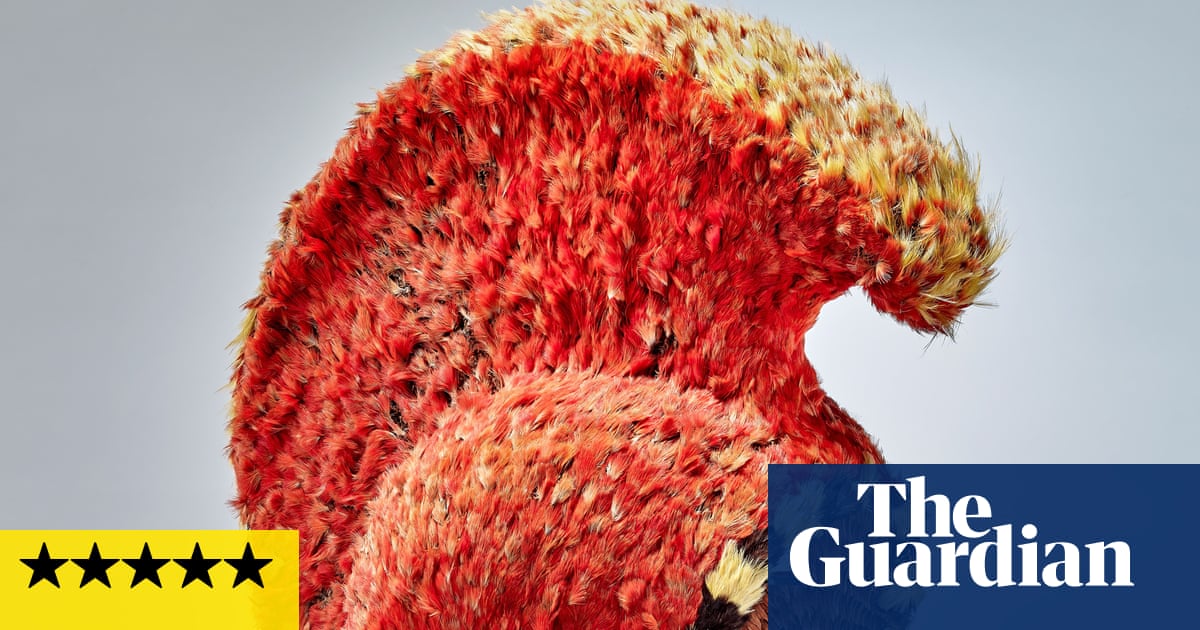
- Artistic Marvels: The exhibition showcases extraordinary pieces, from feathered god masks to beautifully crafted bowls, reflecting the intricate artistic traditions of the Hawaiian people.
- Cultural Respect: After Cook’s death, Hawaii sought to assert its identity and equality as a modern state, fostering diplomatic relations with Britain.
The Role of Monarchy in Diplomacy
Central to the exhibition is the theme of monarchy, a shared cultural foundation between the British and Hawaiians. In the wake of Cook’s death, Hawaii’s King Kamehameha I engaged with Britain, sending a feathered cloak to King George III in 1810—an act that symbolized friendship and a plea for support against potential French aggression. This gesture highlights an early recognition of mutual respect between the two nations.
Fast forward to 1824, when King Liholiho and Queen Kamamulu traveled to Britain, reversing the narrative of British discovery. Their visit was marked by diplomatic honors, showcasing their cultural richness to the British elite. This exchange served as a powerful statement about Hawaiian identity and agency.
The Artistic Richness of Hawaiian Culture
The artifacts displayed from Hawaii are not mere relics; they embody living culture and identity. Remarkable items, such as:
- Dance Rattles: A beautifully preserved 18th-century ‘uli’uli dance rattle illustrates a direct connection to Hawaiian traditions.
- Feathered Godheads: These striking pieces reveal how Pacific art has influenced modernist movements, blurring the lines between past and present.
A Tribute to Cultural Diplomacy
This exhibition serves as a testament to the resilience of Hawaiian culture. It defends the role of museums in preserving diverse global collections. The delicate artworks, made from feathers and other materials, have survived for nearly 250 years, showcasing the British Museum’s commitment to cultural preservation.
However, the story of Hawaiian royalty does not end on a high note. Both King Liholiho and Queen Kamamulu tragically succumbed to measles during their stay in London. Their return to Hawaii was marked with honor, as their bodies were shipped back home on a Royal Navy vessel. Despite their efforts to solidify Hawaii’s status as a nation state, it was ultimately the United States that claimed Hawaii, leading to its eventual status as the 50th state.
Conclusion: A Legacy of Cultural Resistance
The objects displayed in this exhibition are not just artifacts; they are symbols of ongoing cultural resistance. As we reflect on this complex relationship, we must recognize the continuing significance of these items in preserving Hawaiian identity and heritage. The exhibition, “Hawaii: A Kingdom Crossing Oceans,” runs until May 25 at the British Museum, offering an invaluable opportunity to engage with this rich history.
To delve deeper into this fascinating story, I encourage you to read the original news article at the source: The Guardian.