



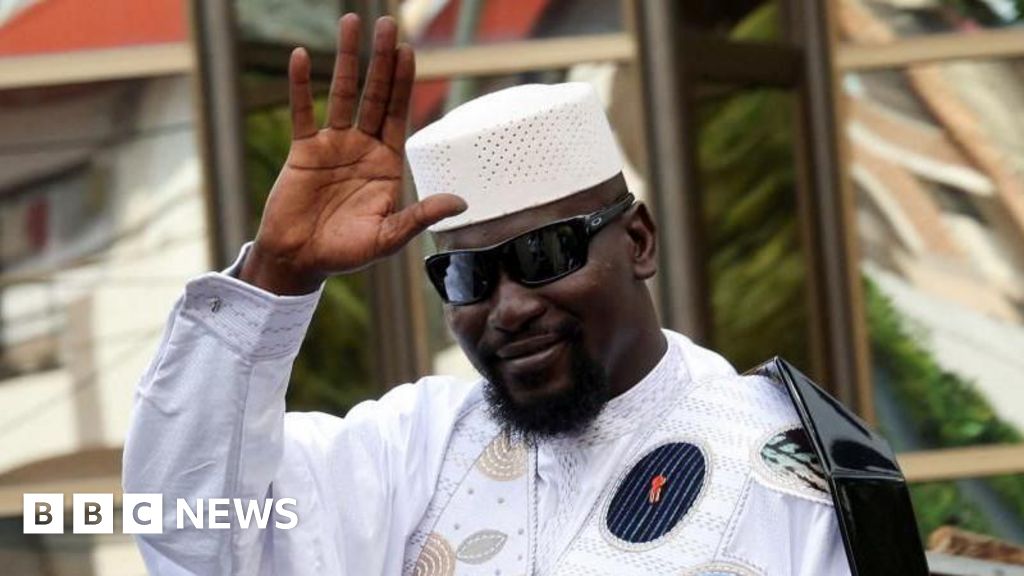
Guinea’s Presidential Election: A Controversial Victory for Gen Mamady Doumbouya
In a striking turn of events, Gen Mamady Doumbouya has claimed a resounding victory in Guinea’s presidential election, securing an impressive 86.7% of the votes according to the provisional results released by the election commission. This outcome, while seemingly decisive, raises significant questions about the legitimacy and fairness of the electoral process.
The Context of the Election
Gen Doumbouya, who came to power through a military coup in 2021, is now attempting to legitimize his rule through this election. However, this endeavor has been met with skepticism and criticism from various corners of Guinean society.
Allegations of Irregularities
A civil society group has condemned the election as a “charade,” highlighting serious concerns regarding the exclusion of key opposition candidates and reports of election irregularities. Key points of contention include:
- Barriers preventing main rivals from contesting.
- Allegations of systematic fraudulent practices, including ballot stuffing and intimidation.
- Internet restrictions on social media platforms, seen as an attempt to suppress dissent and criticism.
Opposition’s Response
Faya Millimono, an opposition candidate, has vocally criticized the electoral process, stating that it was fraught with “systematic fraudulent practices.” The ruling party has yet to respond to these serious allegations, leaving many questions unanswered.
The General’s Broken Promises
Gen Doumbouya had previously vowed not to seek election and to restore civilian rule, a promise that he has notably broken. His decision to run follows the implementation of a new constitution that allowed him to enter the race. This shift raises concerns about his commitment to democracy and governance.
Voter Turnout and Public Sentiment
Despite official claims of over 80% voter turnout, dissenting voices from civil society suggest that many Guineans chose to boycott the election, viewing it as a façade. The National Front for the Defence of the Constitution stated:
- “A huge majority of Guineans chose to boycott the electoral charade.”
Looking Ahead
As Gen Doumbouya begins his seven-year mandate amidst these controversies, it is crucial to consider the broader implications for Guinea. While he enjoys some support among the youth, his administration has faced significant backlash for:
- Restricting opposition activities.
- Banning protests.
- Limiting press freedom.
These actions echo the very reasons he cited for overthrowing former President Alpha Condé, who was accused of corruption and human rights abuses. The cycle of governance in Guinea remains troubling, especially in a nation rich in resources yet plagued by poverty, with over half of the population living below the poverty line according to World Bank figures.
Conclusion
The road ahead for Guinea is fraught with challenges. The recent election results, while favoring Gen Doumbouya, do not necessarily reflect the will of the people. As the Supreme Court prepares to validate these results, the international community and Guinean citizens alike will be watching closely, hoping for a return to genuine democratic governance.
For more details, you can read the original news article here.