



Understanding the Glasgow Hospital Inquiry: A Call for Accountability
The ongoing public inquiry into the Glasgow Queen Elizabeth University Hospital (QEUH) has unveiled shocking revelations about the systemic failures that led to the suffering of vulnerable children. The heartbreaking testimony of Molly Cuddihy, a young cancer patient who tragically lost her life, underscores the urgent need for accountability and reform within our healthcare system.
The Heartbreaking Testimony
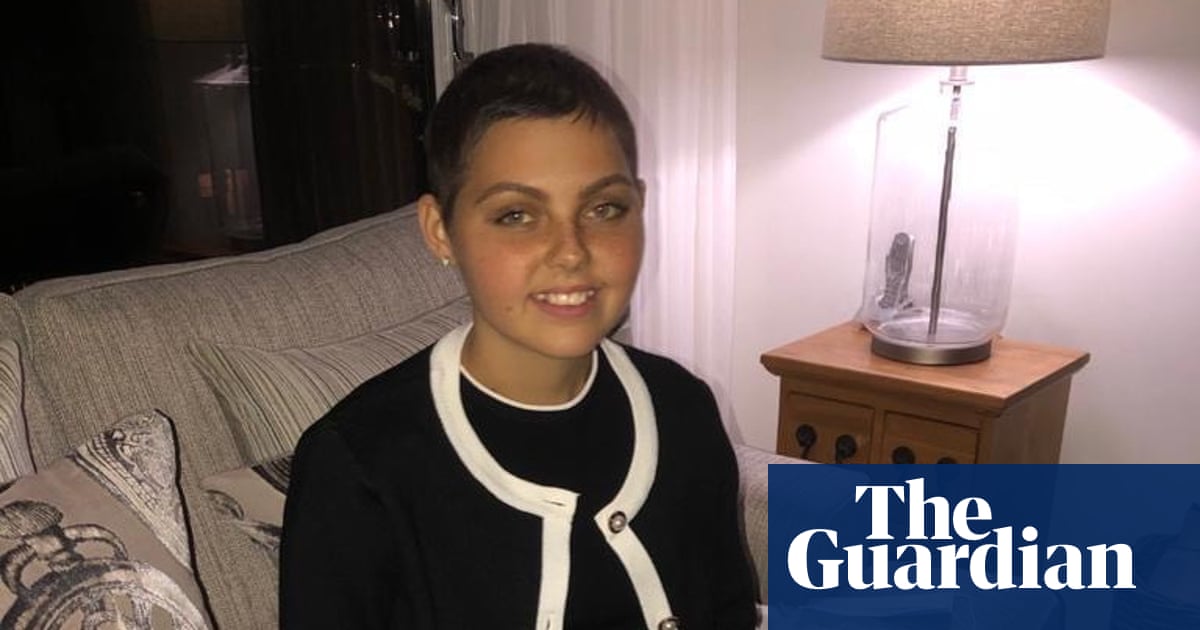
Molly Cuddihy, just 19 at the time of her inquiry testimony, shared her harrowing experience of battling both cancer and the consequences of a contaminated hospital environment. This young woman, who had been studying for her National 5 exams, found herself in a situation where the very institution meant to heal her became a source of additional suffering. Her father’s words resonate deeply:
- The clinical care was world-class, but the safety of the environment was not.
- Families were left to endure unnecessary distress due to the health board’s years of denial.
Molly’s tragic passing last August, compounded by the delays in acknowledging the hospital’s failings, has left her family—and indeed, the entire community—searching for answers and accountability.
Systemic Failures Unveiled
This week, NHS Greater Glasgow and Clyde made a significant admission: serious infections in 84 child cancer patients were likely caused by a contaminated water system. Sadly, this acknowledgment came far too late for Molly and others affected. The health board had previously downplayed concerns raised by whistleblowers and families, leaving many to feel dismissed and disregarded. Key points from the inquiry include:
- The QEUH was not ready to open as scheduled in April 2015, despite internal warnings.
- Pressure to meet political timelines led to decisions that compromised patient safety.
- Whistleblowers faced ridicule rather than support from senior management.
Such revelations paint a disturbing picture of an institution more concerned with its public image than the safety and well-being of its patients.
Calls for Accountability
The families affected by this scandal have expressed their outrage at the health board’s admissions, describing their experiences as being “lied to, disbelieved, demeaned and smeared.” Their demands for accountability are not just emotional; they are a necessary call for systemic change in how healthcare is administered in Scotland. The community is calling for:
- A thorough investigation into the conduct of health board leaders.
- Reforms to ensure the safety of all patients, particularly the most vulnerable.
- Visible and tangible outcomes from the inquiry to restore trust in the healthcare system.
The Scottish Labour leader, Anas Sarwar, has characterized this as “the biggest scandal in the history of the Scottish parliament,” calling for criminal investigations into those responsible for the oversight and failures at the QEUH.
Looking Ahead
As we await the inquiry’s final report, it is clear that the road to justice for families like the Cuddihys is fraught with challenges. The commitment from NHS Greater Glasgow and Clyde to be a “very different organisation” is one that must be met with scrutiny. The question remains: will the necessary changes be implemented to prevent future tragedies?
John Cuddihy poignantly stated that Molly wanted recognition of what happened, not blame. This acknowledgment is vital for healing and for driving the changes needed in the healthcare system.
As this inquiry unfolds, we must advocate for those who have suffered and ensure that their voices are heard. The time for meaningful change is now.
For a deeper understanding, I encourage you to read the original news article here.