



The Future of Biological Innovation: A Commentary on Adrian Woolfson’s Insights
The realm of biology is on the brink of a profound transformation, one that echoes the fantastical imaginations of ancient prophets and myth-makers. Adrian Woolfson, in his thought-provoking analysis, presents a compelling argument that we are approaching a new era in which synthetic life could coexist with natural species, fundamentally altering our understanding of existence.
Imagination Meets Reality
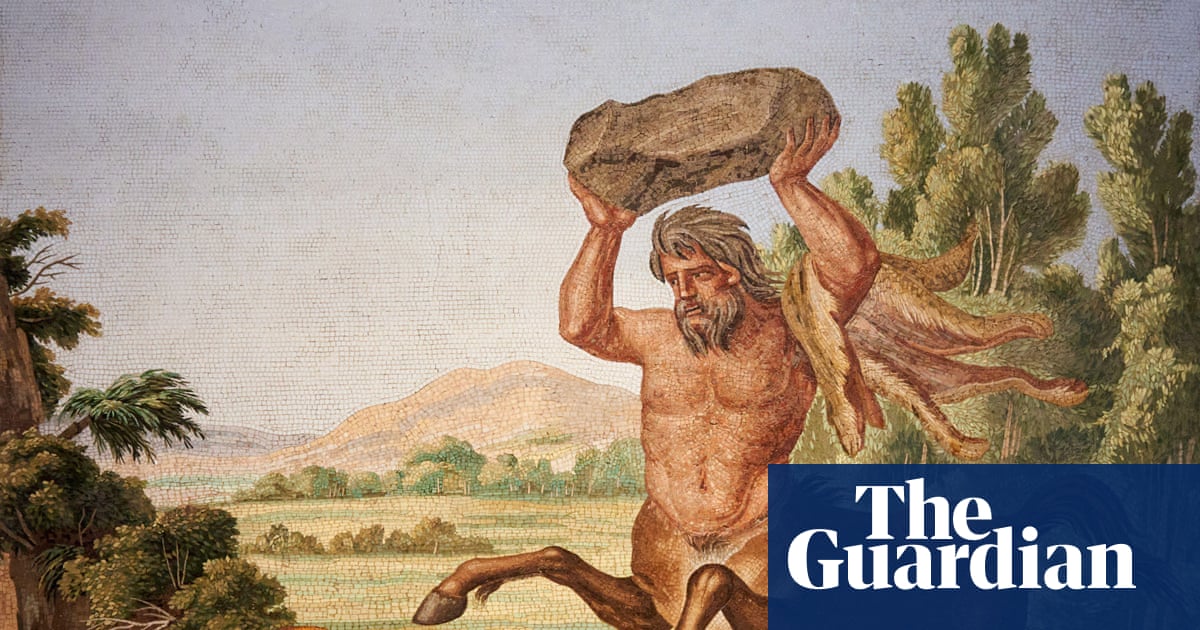
Woolfson references historical narratives of mythical creatures—Ezekiel’s beasts, the Buraq, and centaurs—to illustrate our long-standing fascination with blending human traits with those of other species. He argues that this impulse, deeply embedded in our psyche, is now on the verge of becoming a tangible reality. Here’s a closer look at his assertions:
- Synthetic Species Development: Woolfson posits that the advancements in genetic engineering could lead to the creation of new life forms designed for specific purposes, from biofuels to drought-resistant crops.
- Technological Innovations: Key inventions, like the Sidewinder method for DNA synthesis and AI advancements such as AlphaFold2, have accelerated our ability to manipulate biological structures.
- A Second Genesis: He describes this forthcoming age as a “second Genesis,” laden with both unprecedented opportunities and potential perils.
The Implications of Synthetic Life
As we stand at this pivotal juncture, one must ponder the implications of integrating synthetic organisms into ecosystems that have evolved over billions of years. Woolfson raises important questions regarding coexistence:
- Will synthetic organisms hold the same ecological significance as naturally evolved species?
- How will the line between natural and artificial life blur, and what does this mean for biodiversity?
- Could we enhance existing species, including humans, to rectify evolutionary flaws?
While Woolfson’s optimism about the potential benefits of synthetic biology is evident, he does not shy away from addressing the darker aspects of this revolution. The risks associated with genetic manipulation, particularly concerning bioweapons and unintended ecological consequences, are significant and cannot be overlooked.
Ethical Considerations and the Path Forward
Woolfson advocates for continued research and exploration in genetic engineering, albeit with caution. He believes the advantages will outweigh the risks, though this stance may come off as overly optimistic in the face of potential dangers:
- Bioterrorism Risks: The accessibility of DNA synthesis technology may empower malicious actors to create harmful pathogens.
- Environmental Concerns: Manipulating biological systems could inadvertently disrupt ecological balances and accelerate climate change.
- Ethical Boundaries: The prospect of creating hybrids raises questions about the moral implications of such endeavors.
While Woolfson proposes a ban on certain extremes, like designer babies, he argues against halting progress in AI-led genomics. This perspective invites a broader discussion on the balance between innovation and safety.
Conclusion
As we navigate through this potential biological revolution, Woolfson’s work serves as both a cautionary tale and a beacon of possibilities. The future of synthetic life offers a landscape ripe with opportunity, but it is essential to tread carefully, considering the profound implications of our actions.
For those intrigued by this intersection of science, ethics, and imagination, I encourage you to dive deeper into Woolfson’s analysis. You can read the original article here.