



Exploring the Revival of Hostelling in Wales
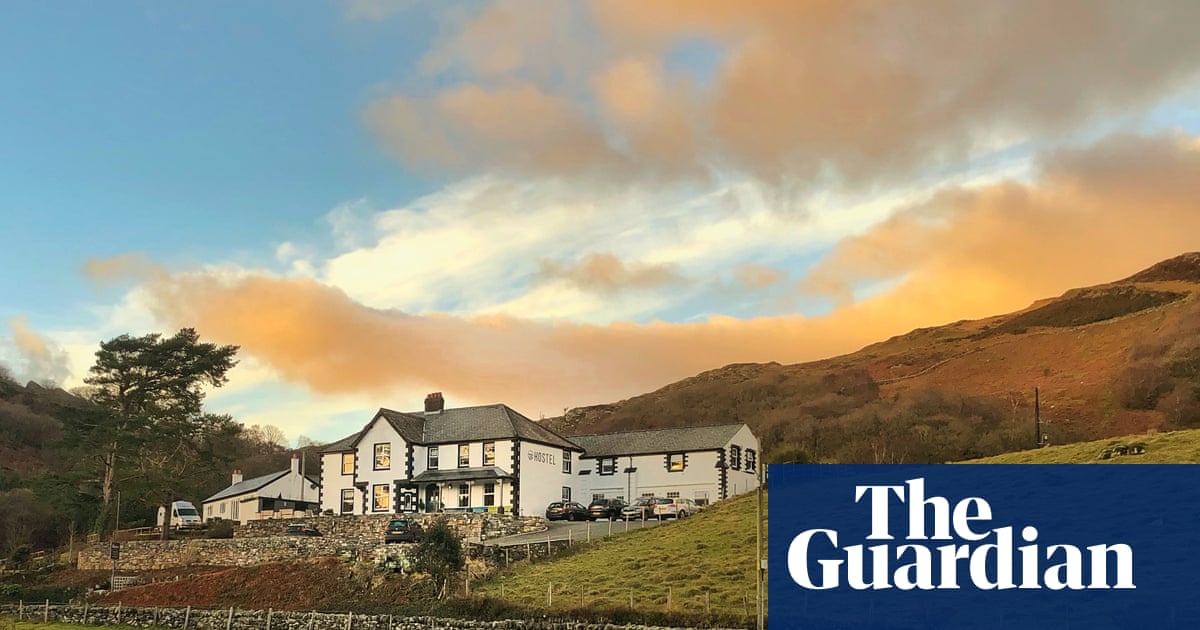
During my recent stay at The Rocks hostel in Capel Curig, nestled within the breathtaking Eryri National Park, I was taken aback by an intriguing conversation about penguins. Yes, penguins in Wales! An enthusiastic fellow guest informed me of a hiking route to Moel Siabod where one might even spot a sign warning against feeding these unlikely visitors. My eleven-year-old son was instantly captivated by the idea of a penguin hunt, showcasing how simple recommendations in hostel settings can spark exciting family adventures.
Rediscovering the Joy of Hostelling
This trip marked our fourth day at the hostel, and I was relieved to find our family settling into a rhythm of exploration by day and communal relaxation by night. Initially, there was skepticism about choosing a hostel for our holiday, particularly from my husband, who conjured images of dreary dormitories and uncomfortable shared spaces. My sons echoed his sentiments, unsure about the prospect of mingling with strangers.
However, the desire to break free from the monotony of expensive private rentals pushed me to embrace hostelling. The charm of communal dinners and the warmth of shared experiences came flooding back, reminding me of my childhood adventures.
The Evolution of Hostels
Historically, hostels have played an essential role in travel, dating back to their establishment in the UK during the 1930s. They were designed to offer affordable accommodation while fostering social interaction among travelers. Today, hostels have transformed, balancing modern comforts with the core principles of affordability and community.
- Private rooms are now common, accommodating families and diverse groups.
- Stylish interiors and enhanced amenities create a home-like atmosphere.
- Social spaces encourage guest interaction, from shared kitchens to cozy lounges.
Exceptional Experiences at The Rocks
The Rocks hostel exceeded my expectations with its bright decor and inviting atmosphere. The shared spaces, including a warm lounge with a fireplace and outdoor fire pits for stargazing, offered the perfect backdrop for socializing. Our private family room was nothing short of delightful, featuring comfy mattresses and cozy Welsh blankets.
As we engaged with other guests, I found that conversations flowed easily, whether we were cooking in the kitchen or gathered around the fire. The experience was far from awkward; instead, it felt like a natural extension of our day, where new friendships blossomed effortlessly.
The Community Aspect of Travel
After our daily hikes, we looked forward to sharing stories over meals. One evening, I learned about a unique recipe for “mountain doughnuts” from fellow travelers, while another guest provided invaluable tips on staying warm during winter hikes. The sense of community was palpable, with children forming bonds through playful snowball fights and board games.
In today’s travel climate, where isolation has become the norm, hostelling is experiencing a renaissance. According to Sam Dalley, the founder of the Independent Hostels network, hostelling is thriving, driven by travelers seeking affordable and sociable experiences.
The Future of Hostelling
With places like The Rocks blending comfort with affordability, the future of British hostelling looks promising. It serves as a reminder that the joy of travel lies not just in the destinations but in the connections forged along the way.
As we hiked up Moel Siabod, the crunch of snow beneath us and the tantalizing prospect of mountain doughnuts in our backpacks, I felt a profound sense of contentment. I realized that our holidays had been missing a vital element: community. Moving forward, hostels will be my preferred choice for adventures, embracing the shared experiences they offer. While we never did spot those elusive penguins, the memories created during our stay were priceless and will surely inspire future journeys.
The Rocks offers dorm beds starting at £36 per person, with private family rooms from £115.60.
For further details and the original news article, please visit The Guardian.