



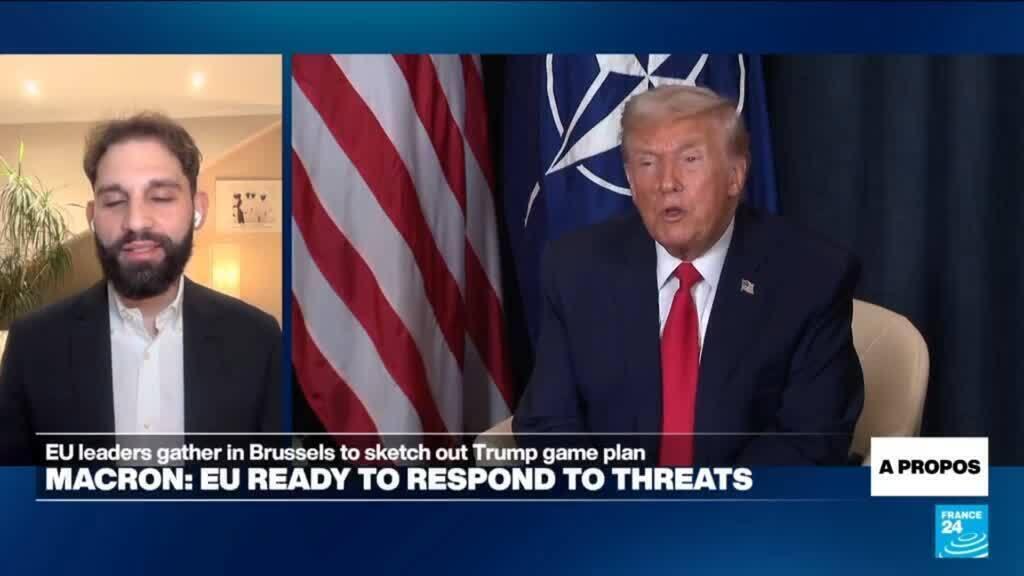
Analyzing Trump’s Influence on Europe’s Far Right
In an insightful discussion with FRANCE 24’s Sharon Gaffney, Georgios Samaras, an Assistant Professor of Public Policy at King’s College London, sheds light on a critical aspect of contemporary European politics. His analysis of Donald Trump’s unpopularity in Europe serves as a springboard for understanding the complex dynamics affecting far-right parties across the continent.
The Unpopularity of Trump in Europe
Trump’s image in Europe is significantly tarnished. This unpopularity presents a considerable challenge for far-right parties that may have once sought to align themselves with the former U.S. president. So, what does this mean for their electoral strategies? Here are some key takeaways:
- Disconnect with Voter Sentiment: Many European citizens view Trump’s approach as extreme and divisive.
- Electoral Risks: Aligning with Trump could alienate potential voters who are wary of his controversial policies and demeanor.
- Struggle for Identity: Far-right parties must navigate their identities without leaning too heavily on Trump’s populism.
The Challenge of Appeasement
Samaras emphasizes a crucial point: there’s no viable path for these parties to attract voters while attempting to appease Trump. This struggle highlights several important factors:
- Shifting Political Landscape: The political climate in Europe is rapidly changing, and far-right parties may need to adapt to stay relevant.
- Voter Expectations: European voters increasingly expect their leaders to take a stance that reflects local values rather than foreign influences.
- Strategic Rebranding: To gain traction, these parties may need to redefine their platforms, distancing themselves from Trump’s legacy.
Conclusion
As we look toward the future of European politics, the implications of Trump’s unpopularity cannot be understated. Far-right parties face a pivotal moment: adapt or risk becoming obsolete. Their strategies moving forward will be critical in determining not only their success but also the broader political landscape in Europe.
For a deeper dive into this topic, I encourage you to read the original article on FRANCE 24.