



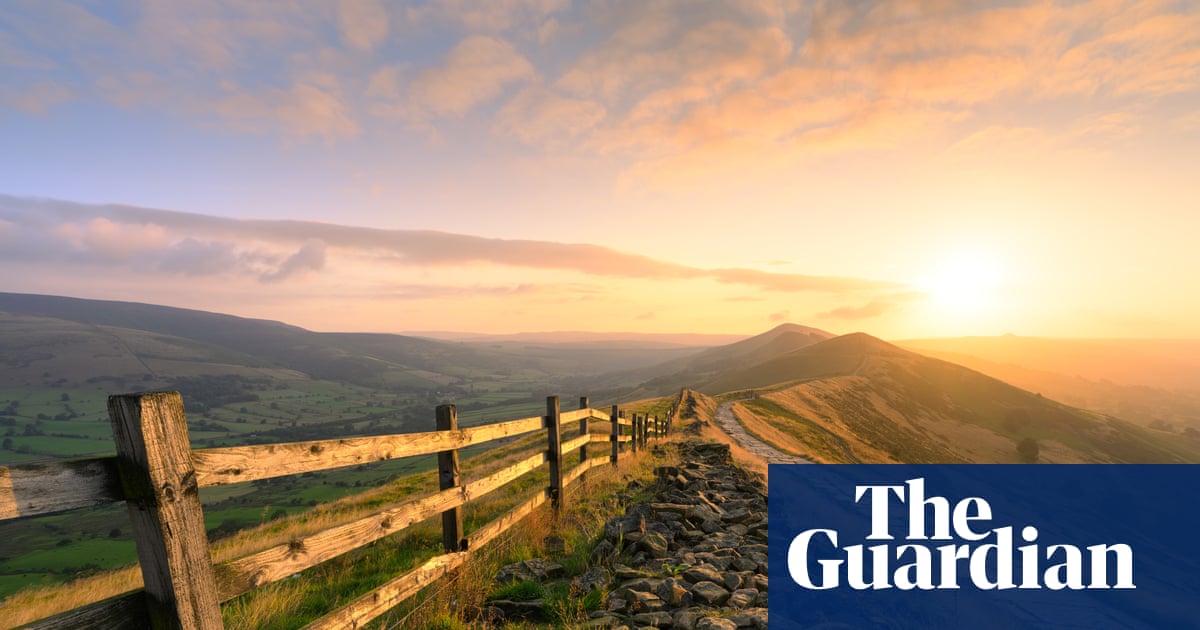
The Peak District: A Gem Amidst Industrialization
When gazing at a satellite image of Britain on a clear night, one cannot help but be struck by the stark contrast between the vibrant lights of urban areas and the dark silhouette of the Peak District National Park. This unique geographical feature stands out as a refuge of tranquility amidst the bustling industrial cities of northern England.
Historical Significance and Accessibility
Established in April 1951, the Peak District holds the esteemed title of being the first national park in Britain. Its selection was not arbitrary; rather, it was strategically chosen to provide a natural retreat for the large populations of nearby cities. In fact, approximately one-third of the population of England and Wales resides within an hour’s reach of this national treasure.
The allure of the Peak District is undeniable, drawing over 13 million visitors annually from the surrounding cities such as:
- Manchester
- Sheffield
- Derby
- Leeds
- Nottingham
- Birmingham
For these urban dwellers, the Peak District serves as a beloved backyard, a place of escape from the daily grind.
Contrasting Landscapes
The park is divided into two primary regions: the limestone dales of the White Peak and the moorlands of the Dark Peak. Personally, I find the Dark Peak more appealing, offering a sense of isolation and freedom that is hard to replicate elsewhere. The rugged beauty of places like Kinder Scout evokes a spirit of adventure, despite some opinions to the contrary.
Historically significant, Kinder Scout is not just a geographical landmark but a symbol of the struggle for public access to these lands. The 1932 Mass Trespass remains a poignant reminder of the fight for the right to roam, which resonates even today.
Natural Wonders and Folklore
The Peak District is home to numerous natural wonders and intriguing sites steeped in folklore. For instance:
- Alport Castles: A spectacular landslip that captivates visitors with its dramatic cliffs and falconry.
- Lud’s Church: A mythical chasm linked to Arthurian legends, offering a sense of enchantment.
- Dovedale: Renowned for its beauty, though best avoided during peak tourist season.
Walking through the park, one can’t help but feel a connection to the past, whether standing before the ancient stone circle of Arbor Low or exploring the remnants of Magpie Mine, which has stood the test of time for nearly three centuries.
Challenges Ahead
While the Peak District has adeptly managed increasing visitor numbers through innovative schemes, it faces significant challenges. Over the past decade, the national park has seen a staggering 50% cut in government funding, leading to staff reductions and the establishment of a Peak District Foundation to secure future funding. The potential introduction of a visitor tax reflects the ongoing struggle to maintain this natural haven, echoing the sentiments of those who fought for access nearly a century ago.
A Vital Sanctuary
Throughout its 75-year history, the Peak District has served as an essential escape for many, particularly during the COVID-19 pandemic. It remains a vital sanctuary for residents seeking solace from urban life, and its significance cannot be overstated.
For those interested in exploring the rich history and breathtaking landscapes of the Peak District, I encourage you to dive deeper into this remarkable national park. You can read the original news article here.