



Whale Health Monitoring: A New Era in Marine Research
The recent advancements in monitoring the health of whales using drone technology mark a significant turning point in marine biology. As researchers gather essential data from the exhaled breath of these magnificent creatures, the implications for conservation and disease management are profound.
Innovative Techniques in Whale Research
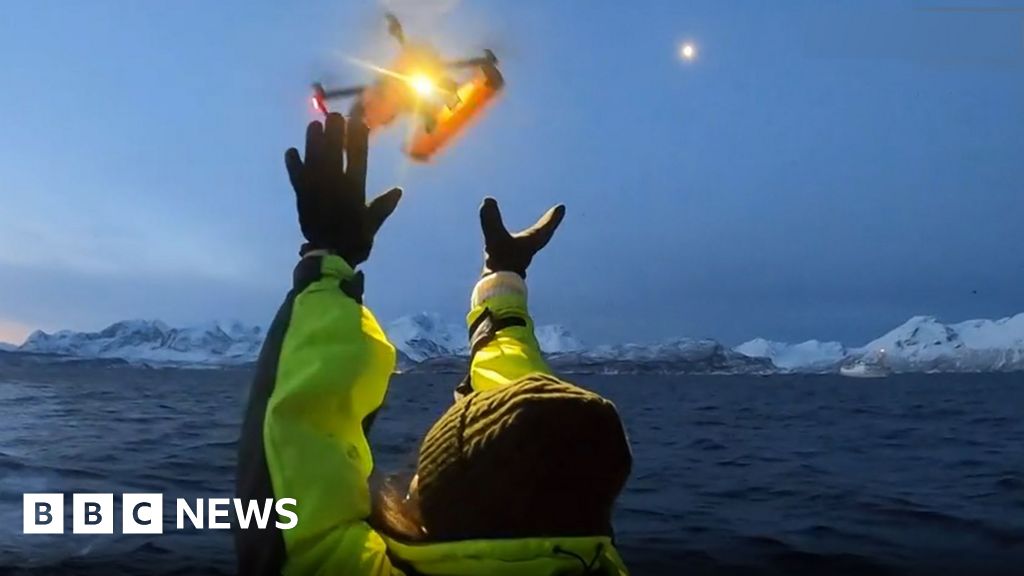
Utilizing drones equipped with specialized kits to collect whale “blow” samples is nothing short of revolutionary. This method allows scientists to:
- Capture exhaled droplets from humpback, fin, and sperm whales without disrupting their natural behavior.
- Identify infectious agents, including the cetacean morbillivirus, which has been linked to mass strandings across the globe.
- Assess the health status of these marine mammals in real-time, providing invaluable data for ongoing conservation efforts.
The Threat of Cetacean Morbillivirus
The discovery of cetacean morbillivirus circulating in Arctic waters is alarming. This highly contagious virus poses a severe threat to whale populations and can easily spread between species. Key points include:
- The virus can lead to significant mortality rates among infected marine mammals.
- Its ability to traverse vast oceanic distances highlights the need for global awareness and action.
- Early detection through innovative methods can potentially mitigate widespread outbreaks.
Future of Whale Health Monitoring
Experts emphasize the importance of continued surveillance using these drone methods. Helena Costa from Nord University articulates the need for:
- Long-term studies to understand the impact of emerging stressors on whale health.
- Collaboration across international research institutions to share findings and strategies.
- Increased funding and support for marine health initiatives to protect vulnerable species.
This groundbreaking study, a collaborative effort involving esteemed institutions such as King’s College London and the Royal (Dick) School of Veterinary Studies, is a testament to the power of innovation in addressing the challenges faced by marine ecosystems.
In conclusion, as we harness technology to enhance our understanding of whale health, we are also paving the way for more effective conservation strategies. The health of our oceans and the majestic creatures within it depends on our ability to adapt and respond to the threats they face.
For more detailed information, I encourage you to read the original news article here.