



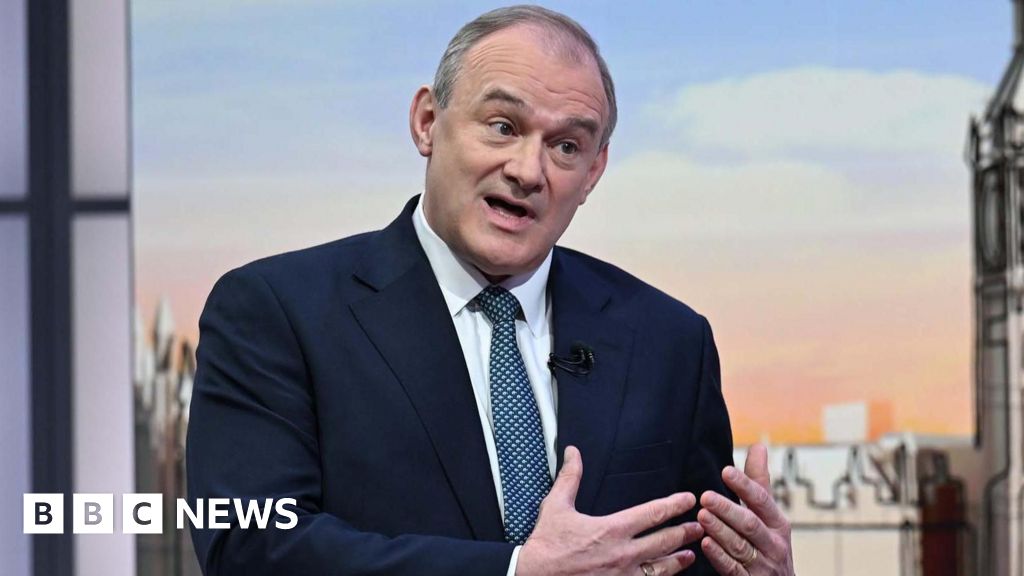
War Bonds Proposal: A Strategic Move or Fiscal Risk?
In a recent statement, Liberal Democrat leader Sir Ed Davey has called for the UK government to initiate the sale of war bonds, aiming to address the pressing need for increased defence spending. This proposal comes in the wake of escalating global tensions and a clear indication that the government must act more decisively in bolstering our military readiness.
The Concept of War Bonds
Under this plan, the public would have the opportunity to loan money to the government in the form of bonds, with an attractive return akin to that of standard government bonds. Davey posits that this could potentially raise up to £20 billion for military funding while allowing citizens to contribute to national defence.
- Public participation in government financing through war bonds can foster a sense of patriotism.
- Potentially, these bonds could generate significant funds needed to enhance military capabilities.
However, the government’s stance remains cautious, stating that any new debt instruments must ensure value for money and align with broader fiscal objectives. This brings to light the delicate balance between necessary military investment and sustainable financial practices.
The Pressing Need for Enhanced Defence Spending
The urgency for increased defence expenditure has become more pronounced, particularly since Russia’s invasion of Ukraine in 2022. The geopolitical landscape has shifted dramatically, demanding a reassessment of our military strategies and funding.
- Calls for increased military spending have been amplified by external pressures and internal criticisms.
- Recent comments from military leaders indicate that the UK is not adequately prepared for potential conflict.
Davey notably emphasized that we are entering a scenario reminiscent of the Cold War, stressing that the threats posed by Russia necessitate a rapid response from the UK government. The Liberal Democrats’ proposed war bonds could be a viable solution to expedite funding and enhance military readiness.
Concerns Over Reliability and Commitment
With global alliances evolving, particularly the uncertain stance of the United States under former President Donald Trump, Davey voiced concerns regarding the reliability of NATO. His assertion that we can no longer depend on the US as a steadfast ally underscores the need for the UK to bolster its own defence capabilities independently.
Potential Risks and Considerations
While the concept of war bonds is not new and has historical precedence, including during both World Wars, it raises important considerations:
- Long-term debt implications for the government could be burdensome.
- The public’s willingness to invest in such bonds may vary; some may view it as a civic duty, while others may treat it purely as an investment opportunity.
Financial experts, like Dan Coatsworth from AJ Bell, have noted that while war bonds can effectively raise necessary funds, they come with the risk of accruing long-term debt that could affect future government budgets.
Conclusion
In conclusion, Sir Ed Davey’s proposal for war bonds presents a compelling case for how the UK can rapidly enhance its military funding amid rising global threats. However, the government must carefully weigh the benefits against the potential economic repercussions of increased national debt. This is a complex issue that requires thoughtful debate and strategic planning.
For those interested in further details, I encourage you to read the original news article here.