



Rural Sentiments on Trial: The Controversy Surrounding Trail Hunting Ban
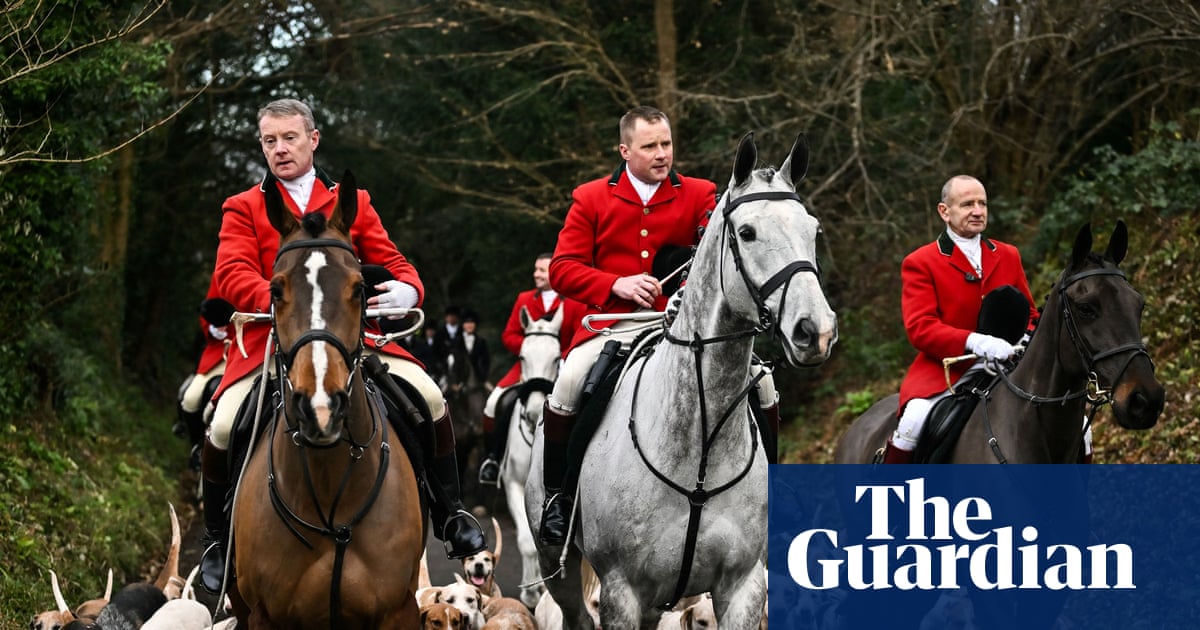
As the traditional Boxing Day hunts unfolded across England, a palpable tension simmered beneath the surface. The proposed ban on trail hunting, touted by the government as a necessary step for animal welfare, has sparked a significant backlash from rural advocates like the Countryside Alliance. Their assertion that the Labour government, led by Keir Starmer, is “alienating rural people” deserves a closer examination.
The Pulse of Rural England
The Countryside Alliance reported that tens of thousands gathered to voice their support for traditional hunting practices. This turnout speaks volumes about the disconnect between urban policymakers and rural constituents. The pressure group cited a poll indicating that a staggering 65% of respondents believe the government neglects rural communities. This sentiment raises critical questions about the Labour administration’s approach:
- Alienation of Rural Communities: The Countryside Alliance’s criticism indicates a growing sentiment among rural voters that their concerns are not being adequately addressed.
- Impact of Proposed Ban: The planned ban on trail hunting, which involves hounds following a scent rather than a live animal, could further exacerbate tensions, particularly in light of recent controversies over inheritance tax breaks for farms.
- Polarization of Issues: The government must tread carefully to avoid being perceived as prioritizing urban agendas at the expense of rural livelihoods.
Government’s Stance and Public Sentiment
The government’s rationale for the ban is clear: trail hunting is often seen as a cover for illegal fox hunting, a concern echoed by animal welfare advocates. The Department for Environment, Food and Rural Affairs has stated that there is strong public support for the ban, yet the statistics tell a different story. A recent ORB International poll revealed that only 36% of Britons believe the government cares about rural issues, while a striking 76% feel urban concerns are prioritized.
Tim Bonner, CEO of the Countryside Alliance, argued that the government’s actions reflect “warped priorities” that neglect the rural populace. This raises an important point: how can the government claim to care about rural welfare while pushing policies that are met with such resistance?
Political Implications and Future Considerations
The impending ban on trail hunting is not merely a legislative issue; it has become a cultural flashpoint. Figures like Nigel Farage have seized upon this moment, framing the ban as indicative of broader governmental ignorance toward rural communities. Furthermore, the League Against Cruel Sports has defended the ban as a necessary measure to curb illegal activities disguised as hunting.
As the government prepares to launch consultations on the ban in early 2026, it must consider the potential fallout:
- Building Trust: The government needs to foster a relationship of trust with rural communities, moving from legislation against them to collaboration.
- Understanding Rural Values: Policymakers must engage with rural constituents to grasp their values and concerns, ensuring that legislation reflects their realities.
- Animal Welfare vs. Rural Livelihoods: A delicate balance must be struck between advancing animal welfare and respecting the traditions and livelihoods of rural populations.
Conclusion: A Call for Dialogue
As we observe the unfolding debate over trail hunting and its implications for rural communities, one thing is clear: the government must listen. The apparent disconnect between policymakers and rural citizens could lead to significant political repercussions if not addressed promptly. The need for dialogue and understanding has never been more pressing.
To gain further insights into this developing story, I encourage you to read the original news article here.