



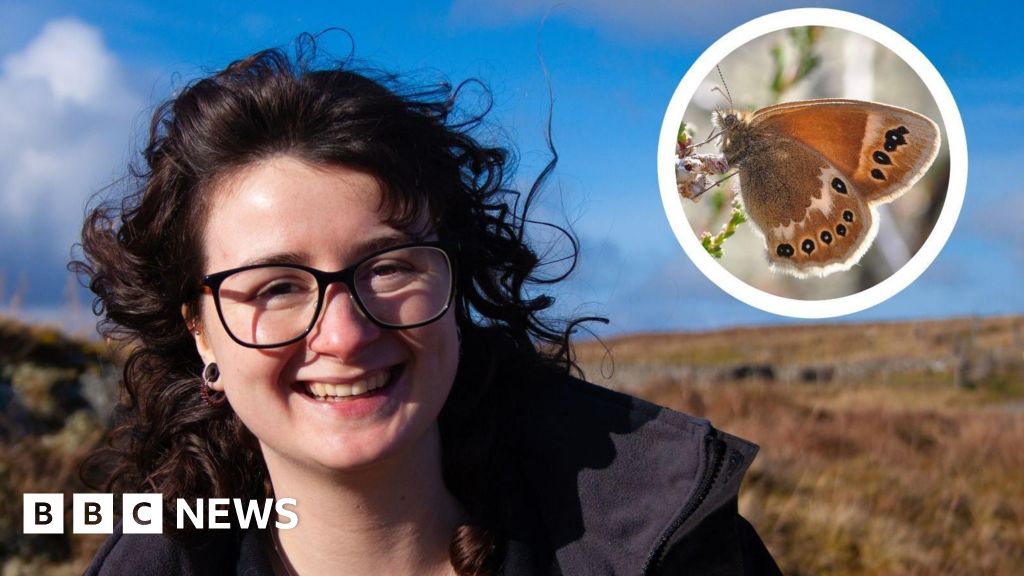
Counting Butterflies: A New Indicator for Peatland Health?
In a fascinating turn of environmental research, scientists are exploring whether tracking the population of the endangered large heath butterfly could serve as a reliable indicator of peatland health. This proposition not only highlights the intricate connections within our ecosystems but also underscores the importance of biodiversity in monitoring environmental changes.
The Role of Butterflies in Ecosystems
Butterflies, with their delicate beauty, often evoke a sense of wonder. However, their significance extends far beyond aesthetic appeal. Here’s why they matter:
- Indicator Species: Butterflies are highly sensitive to environmental changes, making them excellent indicators of ecosystem health.
- Biodiversity Indicators: A diverse butterfly population reflects a robust environment, signaling healthy plant life and balanced ecosystems.
- Pollination: Butterflies contribute to pollination, which is crucial for many plants and crops, thus supporting food systems.
Peatlands: The Underappreciated Ecosystems
Peatlands, often overlooked in environmental discussions, are vital carbon sinks that play a significant role in climate regulation. The health of these ecosystems is critical for several reasons:
- Carbon Storage: Peatlands store more carbon than all the world’s forests combined, making their preservation essential in the fight against climate change.
- Water Regulation: They help in managing water quality and quantity, serving as natural sponges that absorb excess rainfall.
- Habitat Diversity: These ecosystems support unique flora and fauna, including the large heath butterfly, which thrives in specific habitat conditions.
Connecting the Dots
The intriguing idea of using large heath butterflies as indicators of peatland health raises several important considerations:
- Research Potential: This approach could lead to innovative research methodologies, allowing scientists to monitor peatland conditions through butterfly populations.
- Conservation Strategies: Understanding the link between butterfly health and peatland conditions could shape more effective conservation strategies.
- Public Engagement: Butterflies can capture public interest, making them effective ambassadors for peatland conservation efforts.
Conclusion
The exploration of using the large heath butterfly as a barometer for peatland health is a promising development in environmental science. It emphasizes the interconnectedness of species and ecosystems, urging us to pay closer attention to the delicate balance that sustains our planet.
For those interested in diving deeper into this topic, I encourage you to read the original news article here.