



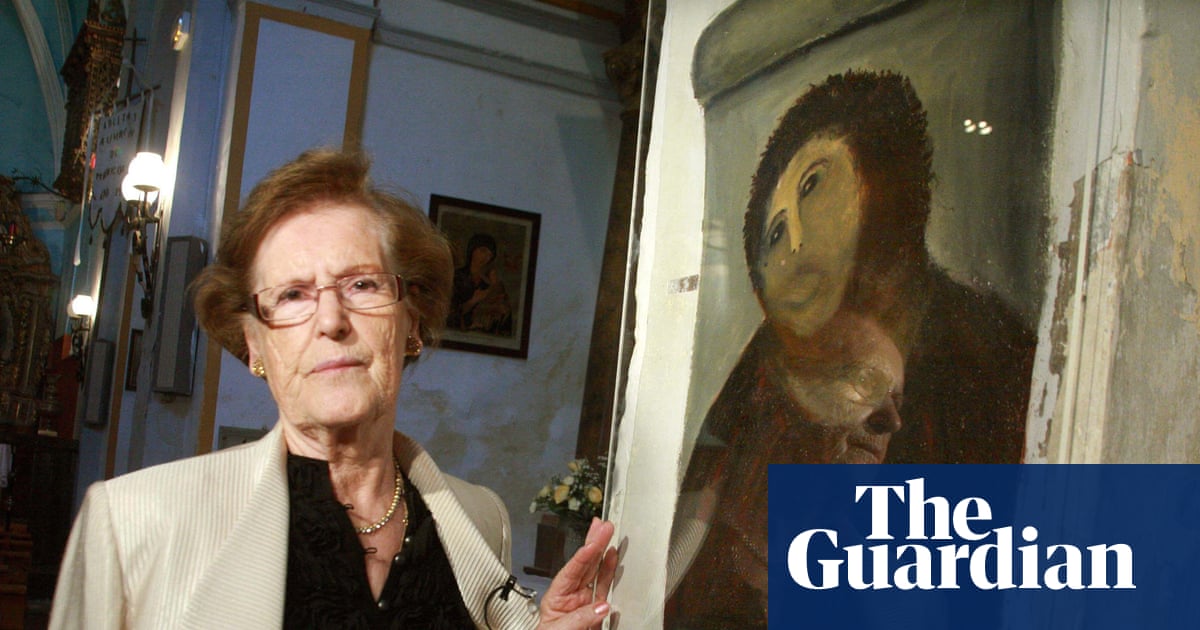
Cecilia Giménez: The Legacy of the “Monkey Christ”
It is with a sense of reflection that I discuss the passing of Cecilia Giménez, the 94-year-old woman who became an unexpected cultural icon due to her infamous restoration of the 19th-century mural “Ecce Homo” in Borja, Spain. Known to many as the “Monkey Christ,” her story is a compelling mix of ambition, artistry, and the unpredictable nature of fame.
The Botched Restoration
In 2012, Giménez, an amateur artist, undertook the restoration of a mural by Elías García Martínez that depicted Jesus. What she intended as a noble act quickly spiraled into a global spectacle, as her efforts were met with widespread derision. The aftermath of her restoration raised several questions about:
- The Role of Amateur Artists: Giménez’s intentions were undoubtedly good, yet her lack of skill highlighted the importance of professional expertise in art conservation.
- The Nature of Art and Interpretation: The transformation of “Ecce Homo” sparked debates about what constitutes art and how public perception can redefine a work’s value.
- Media Influence: The internet’s capacity to amplify incidents like this demonstrates how quickly something can go from a local mishap to an international phenomenon.
The Upside of Notoriety
Despite the initial backlash, Giménez turned her misfortune into an opportunity. The notoriety surrounding her restoration led to:
- Commercial Success: She began selling her own art on eBay, with proceeds benefiting a Catholic charity.
- Tourism Boost: The church capitalized on the mural’s fame, charging admission and drawing thousands of visitors to Borja.
- Community Support: The influx of tourists generated significant revenue, aiding local initiatives, including funding for an elderly care home.
A Lasting Impact
Giménez’s influence extended beyond the art world. In 2023, an opera titled “Behold the Man,” inspired by her story, premiered, illustrating the narrative’s cultural resonance. Although she could not attend, her legacy was represented by her family, showcasing the enduring impact of her actions.
Final Tributes
Mayor Eduardo Arilla’s tribute to Giménez emphasized her resilience and the challenges she faced throughout her life, including the loss of a child and her role as a caregiver to disabled children. He aptly noted that the true measure of a person is the positive change they foster in their community. Plans to name the Ecce Homo center in her honor reflect the deep affection and respect she garnered.
As the local church poignantly stated, “Cecilia was a devoted mother and a fighter.” Her story serves as a reminder that even mistakes can lead to unexpected outcomes, shaping both individual lives and communities in profound ways.
For further details on this story, I encourage you to read the original article here.