



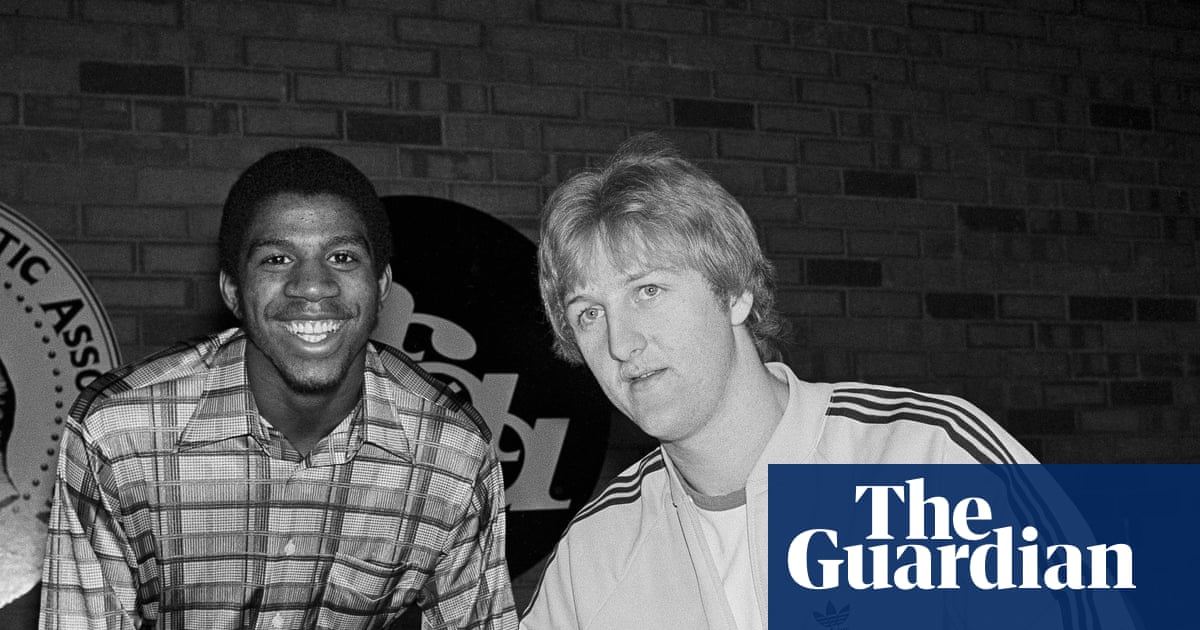
The Unlikely Ascendancy of Larry Bird: A Journey Against All Odds
When we think of basketball legends, names like Larry Bird evoke a sense of awe and nostalgia. Bird’s incredible journey during the 1978-79 season with Indiana State is not just a testament to his talent, but a compelling narrative of overcoming adversity. His ability to make an assist while sprawled on the floor is just one example of his extraordinary skill and determination. This moment encapsulates the essence of Bird: a player who defied the odds, not just on the court, but in life itself.
The Impact of a Championship Showdown
The climactic NCAA championship game against Magic Johnson and Michigan State may have resulted in a loss for Bird, but it marked a pivotal moment that revitalized interest in college basketball and set the stage for their future rivalry in the NBA. Bird’s journey, however, was anything but smooth, as highlighted in Keith O’Brien’s new book, Heartland: A Forgotten Place, An Impossible Dream, and the Miracle of Larry Bird.
Overcoming Personal Tragedy
O’Brien captures the essence of Bird’s struggles, illustrating how his early life was marred by tragedy. Bird lost his father to suicide when he was just 18, a trauma that would shape his character and resilience. O’Brien states:
- “A suicide is a trauma for a family, for a child, for a teenager.”
- Bird had to navigate the complexities of grief, often alone, which added layers to his already challenging upbringing.
The Role of Bill Hodges
The narrative of Bird’s rise is incomplete without acknowledging Bill Hodges, the assistant coach at Indiana State who played a crucial role in Bird’s life. O’Brien describes Hodges as:
- “An unsung hero” who believed in Bird when he himself had lost hope.
- A mentor who understood Bird’s struggles and coaxed him back to college basketball.
Small Town, Big Dreams
Indiana State was a stark contrast to larger programs like Indiana University, yet it provided Bird with an environment where he could thrive. O’Brien highlights:
- The camaraderie among teammates, which proved essential for Bird’s development.
- Hodges’ coaching, which was vital during a tumultuous season marked by health crises among the coaching staff.
The National Spotlight
As Bird’s talent became undeniable, national media began to take notice. Sports Illustrated even featured him on their cover, dubbing him “College Basketball’s Secret Weapon.” This moment signified a turning point, where Bird transitioned from an obscured talent to a national icon. O’Brien eloquently articulates this shift:
- The chemistry within the team became a driving force for their success.
- Bird’s unique appeal, especially in a racially charged NBA landscape, provided a lifeline for the league during its struggles.
A Defining Moment: The NCAA Final
While Bird’s performance in the championship game against Michigan State did not culminate in victory, it solidified his status as a player to watch. The aftermath of the game saw Bird heralded as a hero in Terre Haute, and the burgeoning rivalry with Magic Johnson poised to shape the NBA for years to come.
The Missed Free Throw that Changed History
One cannot help but ponder how different the narrative could have been had Greg Webb made that crucial free throw in a regular-season game. O’Brien points out:
- The potential for Bird’s trajectory to have been altered entirely.
- Webb himself reflected on the weight of that moment, feeling a sense of responsibility for the course of events that followed.
In conclusion, Larry Bird’s story is not just one of sports excellence; it’s a rich tapestry woven with themes of resilience, mentorship, and the unpredictable nature of fate. As O’Brien’s detailed account reveals, Bird’s ascent was anything but guaranteed, yet it serves as an inspiring reminder of the power of determination and the impact of supportive figures in our lives.
For those interested in exploring this remarkable saga further, I encourage you to read the original news article here.