



Unearthing the Foundations of Botany: A Look at Darwin’s Legacy
Recently, an intriguing discovery has emerged from the archives of Cambridge University, one that connects us to the very roots of modern botanical sciences. Plant specimens and teaching materials that once inspired Charles Darwin during his time as a naturalist aboard the HMS Beagle have been brought to light. This remarkable find offers a unique opportunity to reintroduce a historical perspective into contemporary botanical education.
The Significance of the Discovery
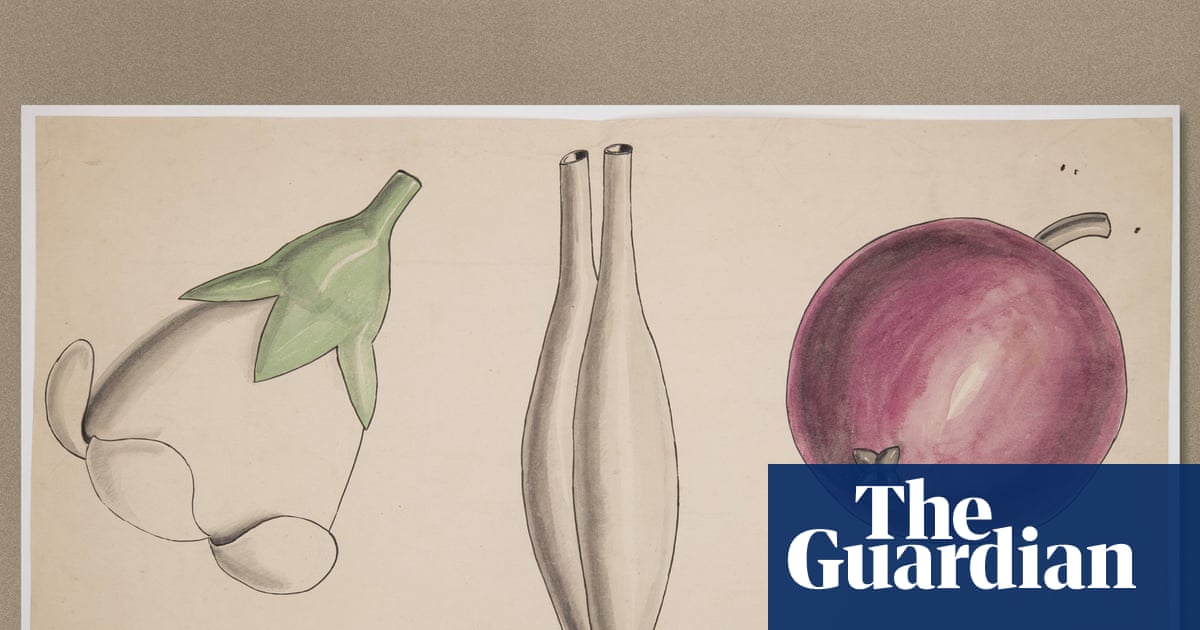
The fragile specimens, along with ink drawings and watercolour illustrations, belonged to Darwin’s mentor, Professor John Stevens Henslow. These materials, hidden away for nearly 200 years, are poised to enrich the education of today’s students in botany.
- Historical Context: The illustrations are believed to be among the earliest produced by Henslow, designed to teach students the intricacies of plant life.
- Darwin’s Journey: Darwin’s formal botanical education began under Henslow’s tutelage, where he developed a profound understanding of plant variation—laying the groundwork for his later theory of evolution.
Henslow’s Innovative Teaching Methods
As an Anglican clergyman and natural theologian, Henslow viewed the study of plants as a pathway to understanding divine wisdom. His teaching methods were groundbreaking, focusing on direct observation and hands-on learning:
- Students participated in “herborising excursions,” where they could collect and categorize plants.
- Henslow’s approach emphasized the importance of empirical data collection, which resonated deeply with Darwin.
Dr. Raphaella Hull, acting head of learning at the Cambridge University Botanic Garden (CUBG), emphasizes Henslow’s influence on Darwin, noting, “He influenced my whole career more than any other.” This sentiment highlights the lasting impact of Henslow’s guidance on Darwin’s scientific pursuits.
Reviving a Botanical Tradition
In an effort to revive Henslow’s teaching spirit, CUBG is launching a four-week summer course aimed at students and professionals in ecology, horticulture, and conservation. The curriculum mirrors Henslow’s original methods:
- Utilizing original teaching materials from Henslow.
- Conducting field excursions to habitats similar to those Darwin explored.
This initiative responds to the concerning decline of botany as a standalone degree in the UK, which has left a significant gap in students’ understanding of plant sciences. Prof Sam Brockington, CUBG curator, noted, “We designed what we felt was the ideal four-week immersive programme in botany.”
The Importance of Botanical Education Today
Today’s plant scientists often focus on cellular-level research, which can lead to a fragmented understanding of botanical diversity. Hull argues that a broad knowledge of plant morphology is crucial in addressing global challenges such as biodiversity loss and climate change. She points out:
- “If we don’t have botanists who can read the environment, we lack a way to assess habitat conditions worldwide.”
- This course aims to equip students with essential species-identification skills, critical for understanding ecological health.
Conclusion: Bridging the Past and Present
This revival of Henslow’s methods stands as a testament to the lasting legacy of both Henslow and Darwin in the field of botany. By reconnecting with these historical practices, we not only honor their contributions but also equip a new generation of botanists with the skills necessary to navigate the complexities of our natural world.
For those intrigued by this fascinating intersection of history and science, I encourage you to read the original news article for more insights on this remarkable initiative. Read more here.