



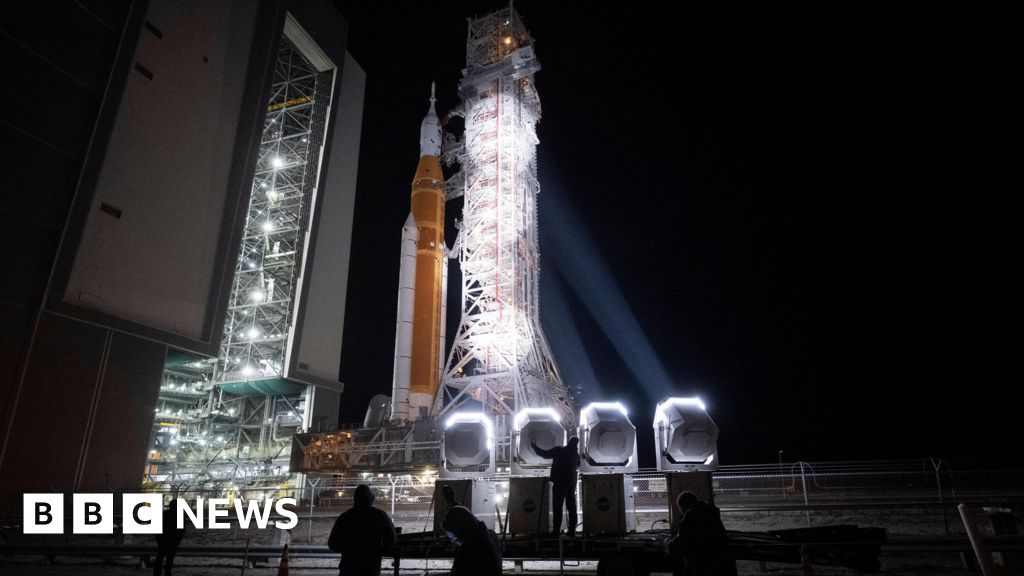
Artemis II: A New Era for Space Exploration
In an exciting development for NASA and the future of lunar exploration, the agency’s managers have recently approved a second rollout of the Artemis II mission. This decision marks a significant step forward as we prepare for the first crewed mission in the Artemis program. The implications of this phase are profound, not just for NASA but for the entire field of space exploration.
What This Means for Artemis II
The upcoming checks at the launch pad are crucial. They will determine the mission’s readiness and safety as we move closer to sending astronauts back to the Moon. If all goes well, Artemis II will lay the groundwork for a series of historic missions aimed at returning humans to lunar soil.
Upcoming Missions: A Timeline
- Artemis II: The first crewed mission, which will serve as a test of NASA’s capabilities in deep space.
- Artemis III: Scheduled for 2027, this mission aims to see astronauts orbiting the Moon.
- Artemis IV: Planned for 2028, this mission is particularly ambitious as it seeks to land astronauts on the lunar surface.
The Bigger Picture
The Artemis program is not just about returning to the Moon; it represents humanity’s renewed commitment to exploring beyond our planet. Each mission contributes valuable data and experience that will be essential for future endeavors, including potential manned missions to Mars. The successful completion of Artemis II’s rollout and subsequent tests could serve as a catalyst for international partnerships and advancements in space technology.
Conclusion
As we stand on the brink of these monumental missions, the anticipation builds. Artemis II is more than just a flight; it symbolizes hope and the relentless pursuit of knowledge. I encourage readers to keep an eye on this unfolding story and witness the next chapter in our exploration of the cosmos.
For further details, you can read the original news article here.