



UK Migration Policy: A Deep Dive into Recent Developments
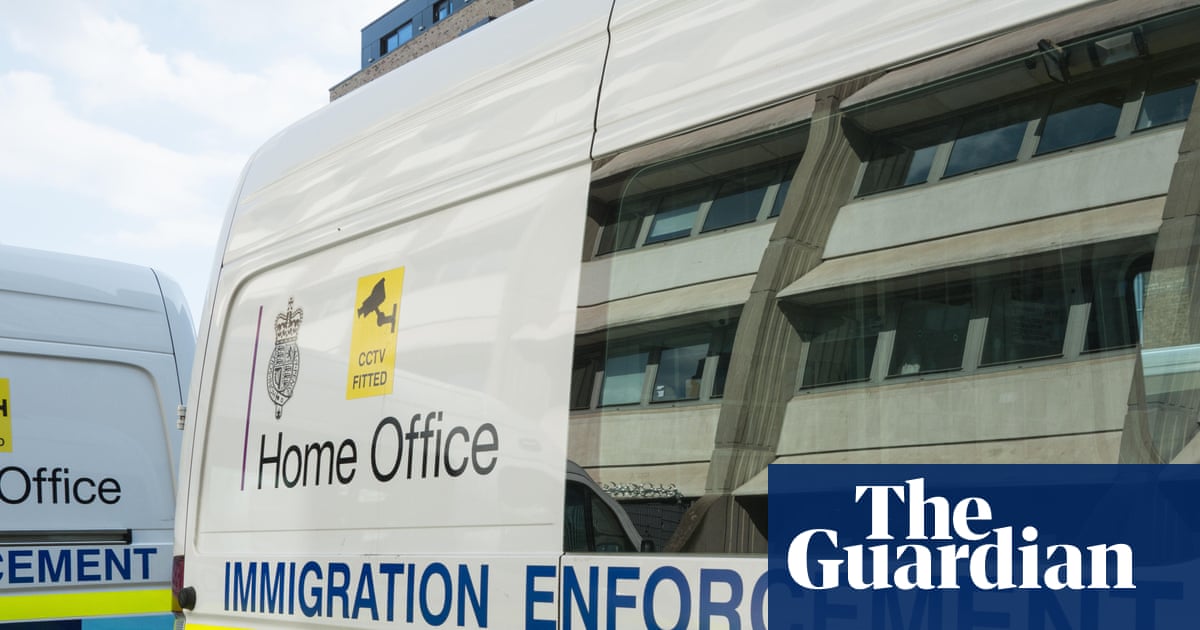
Recent statistics from the Home Office reveal that nearly 60,000 unauthorized migrants and convicted criminals have been deported from the UK since Labour assumed power. This figure marks the highest number of removals in a decade, prompting a significant discussion about the government’s approach to immigration and its underlying implications.
The Numbers Speak
To break it down:
- 15,200 people have been removed since the 2024 election, a notable 45% increase from the previous 19 months.
- Approximately 43,000 individuals left voluntarily after being informed of their illegal status.
- Deportations of foreign national offenders have surged by 32%, with more than 8,700 deported under the current Labour government.
This data not only reflects the government’s resolve but also raises questions about the narrative being constructed around migration and criminality.
Political Context and Responses
In a climate where the Labour government is trailing in the polls, the Home Secretary, Shabana Mahmood, has vowed to further escalate deportations. The government is also planning to eliminate the use of asylum hotels and intends to introduce legislation aimed at curbing appeals against removal based on the European Convention on Human Rights.
More specifically:
- The UK is seeking to reinterpret the European Convention, particularly regarding protections against inhumane treatment and the right to family life.
- Unauthorized migrants will be limited to a single route of appeal in a bid to streamline the removal process.
Mahmood’s statement underscores a commitment to restoring “order and control,” but one must question at what cost this is being pursued.
Criticism and Concerns
The announcement has stirred significant backlash from various quarters:
- Minnie Rahman, chief executive of the migrant charity Praxis, criticized the government for promoting harmful stereotypes equating migration with criminality.
- Griff Ferris from the Joint Council for the Welfare of Immigrants condemned the government’s tactics as cruel and politically motivated.
- Natasha Tsangarides from Freedom from Torture warned that undermining Article 3 protections could have global repercussions, potentially damaging the UK’s moral standing.
These voices highlight the human cost behind the statistics and the ethical implications of current immigration policies. The narratives being spun by the government may serve short-term political goals but could lead to long-lasting societal divisions.
Final Thoughts
As the UK navigates these complex issues surrounding migration, one must ponder the balance between national security and human rights. The figures released by the Home Office may reflect a government determined to take a hard stance on illegal immigration, but they also raise significant ethical questions about the treatment of individuals caught in this web of policy.
For those interested in exploring the full details of this evolving story, I encourage you to read the original news at the source.