



The Dunblane Tapes: Reflecting on Tragedy and Change
It is hard to fathom that thirty years have passed since the Dunblane massacre, a tragedy that left an indelible mark on the community and the wider world. The grief of the families affected is a wound that, despite the passage of time, remains raw and unresolved. This anniversary forces us to confront the reality of lives forever altered, families that should have grown together, now haunted by absence.
A Day of Horror
On March 13, 1996, the unthinkable happened. Thomas Hamilton opened fire in a primary school gym, killing 15 children aged five to six and their teacher, Gwen Mayor. The brutality of the incident—some children shot at point-blank range—stuns the conscience. A 16th child succumbed to injuries en route to the hospital, marking this day as one of the darkest in British history.
The Documentary: A Somber Retelling
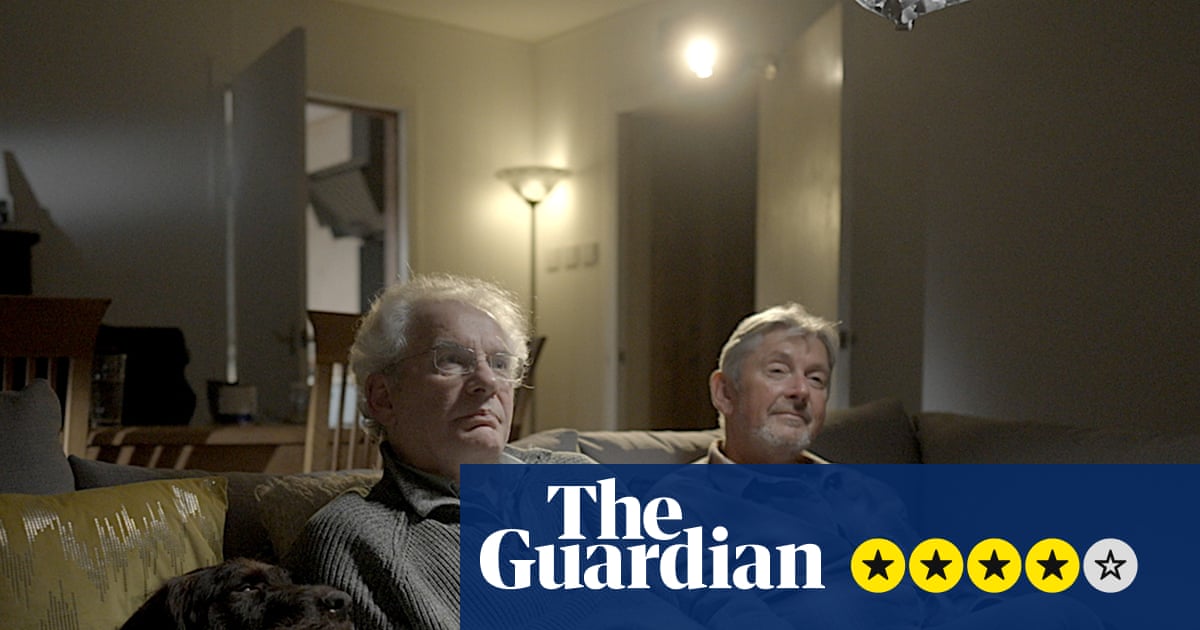
The documentary titled The Dunblane Tapes serves as a poignant reminder of that tragic day. It presents the events with a sense of quiet dignity, avoiding sensationalism while effectively capturing the horror through contemporary news footage. We witness:
- Parents racing to the school, some still in their slippers.
- The agonizing wait for news, encapsulated in the expressions of disbelief and despair.
- The raw emotions of first responders as they grappled with the unimaginable.
Journalist Melanie Reid, one of the early reporters on the scene, recounts the gut-wrenching moment when she saw a woman’s horror as she received the news through her car radio. Such moments are etched in memory, illustrating the shock that rippled through the community.
Personal Stories of Grief
The documentary intertwines personal narratives that reveal the enduring pain of loss. John Crozier, who lost his five-year-old daughter Emma, documented his journey through grief. His tapes capture vital moments, including gatherings of bereaved parents and the struggles of moving forward. The innocence of life continues around them, illustrated through his son Jack’s innocent dreams of becoming a baker, a stark contrast to the heavy burden the family bears.
The Quest for Change
From this ocean of sorrow arose a wave of activism. The Snowdrop Petition, initiated by Ann Pearston, emerged as a powerful response to the realization that handguns could be legally owned despite tragic incidents like Dunblane. This grassroots movement aimed to:
- Abolish the ownership of handguns for private citizens.
- Mobilize public support against a well-funded pro-gun lobby.
- Achieve legislative change in a country that had previously been relatively permissive regarding firearms.
Remarkably, this campaign gained momentum, culminating in a complete ban on handguns in the UK. This accomplishment resonates even more profoundly in light of subsequent tragedies, such as the Sandy Hook shooting, which failed to catalyze similar reforms in the United States.
Reflections on Loss and Legacy
As John and Les Morton, another bereaved father, reflect on their losses, there is a shared understanding of grief that is both haunting and profound. They acknowledge the bitterness of their reality while also recognizing the small victories achieved through their advocacy.
While the ban on handguns may offer a semblance of peace, it is essential to remember John’s poignant reminder: “It’s hard to think of anything in terms of winning and losing when you’ve lost your only child.” This statement encapsulates the struggle between seeking change and coping with personal tragedy.
For those who wish to delve deeper into this story, I encourage you to read the original article at the source: The Guardian.