



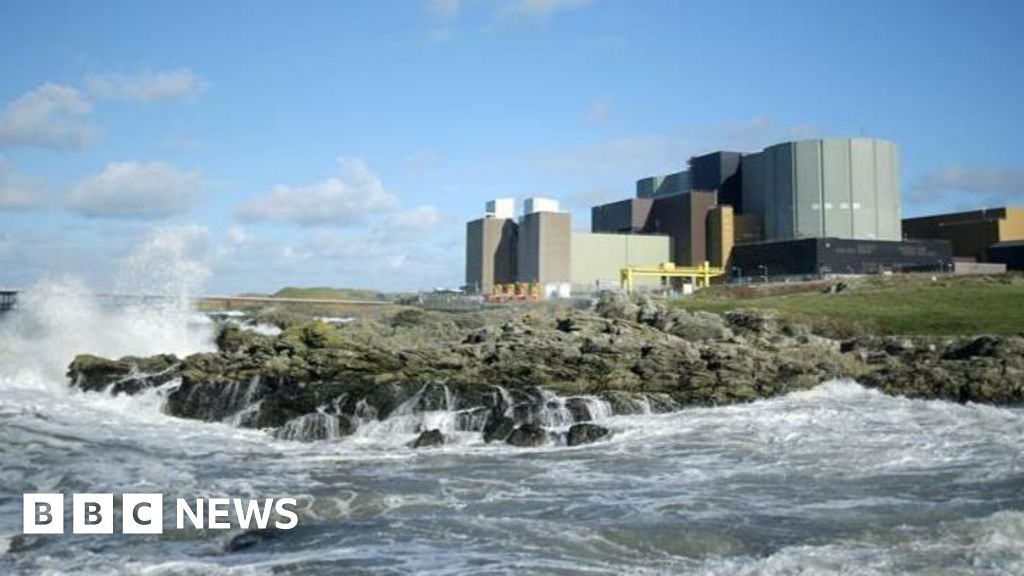
The Legacy of Wylfa: A Decade Without Nuclear Power in Wales
Today marks a significant milestone: it’s been ten years since the last reactor at Wylfa, Wales’ final nuclear power station, was decommissioned. This event not only marked the end of an era for energy generation but also heralded a challenging decade for the local economy of Anglesey. Let’s delve into the profound implications of this transition and explore the community’s mixed sentiments regarding the future of energy production in the region.
Impact on Anglesey’s Economy
The closure of Wylfa has left a noticeable void in Anglesey’s economic landscape:
- Job Losses: The local workforce has experienced significant layoffs, painting a grim picture for employment opportunities.
- Stagnant Investment: The region has struggled to attract new investments, leading to an economy that feels stagnant and uncertain.
- Dependence on Nuclear Power: For decades, Wylfa provided stable employment and economic growth, making the transition away from nuclear energy particularly challenging.
Wylfa’s Historical Context
Opened in 1971, Wylfa was a beacon of industrial progress for Anglesey, which had previously relied heavily on agriculture. The station played a crucial role not just in energy generation, but in providing long-term, skilled employment opportunities. Its eventual closure in 2015, after more than 40 years of operation, marked the end of a significant chapter in the region’s history.
Reflections from Former Employees
Gron Williams, a former employee who spent his entire career at Wylfa, shared poignant memories of the station’s construction and operation:
- “You saw this big hole being dug… that was very exciting,” Williams reminisced.
- He emphasized how the plant contributed to wealth creation on the island, allowing many to buy homes and start businesses.
The Decommissioning Phase
Post-closure, Wylfa transitioned into a decommissioning phase that involves:
- Nuclear Fuel Removal: The initial step of removing nuclear fuel and transferring it to secure storage has been completed.
- Long-Term Care: The site will enter a “care and maintenance” phase, with complete deconstruction expected several decades from now.
Current Employment and Future Prospects
While job numbers are significantly lower than during its operational peak, the site still employs around 200 people through the Nuclear Restoration Services (NRS). Site Director Stuart Law expressed optimism about job stability, noting that:
- 99.9% of radiation has been removed from the site.
- Plans to remove hazardous materials, such as asbestos, are underway.
Community Sentiments on Future Energy Production
As discussions about new nuclear developments at Wylfa, including small modular reactors (SMRs), unfold, community opinions remain deeply divided:
- Supporters argue that SMRs could bring much-needed investment and employment opportunities to the area.
- Opponents, such as Linda Rogers of People Against Wylfa B (PAWB), fear that the past failures of nuclear projects overshadow potential benefits, advocating for investments in renewable energy instead.
Looking Ahead
The future of Wylfa and its legacy is contested, but one thing is clear: the decisions made now will significantly impact Anglesey’s economic landscape and energy future. Local leaders emphasize the need for transparency and community engagement as plans for future developments take shape. As we reflect on the past decade without nuclear energy, the discussions surrounding Wylfa’s legacy serve as a reminder of the complexities of energy production and economic sustainability.
For further insights and detailed coverage of this story, please read the original news article here.