



The Rise of the Tradwife: An Analysis
As I delve into the recent phenomenon of the tradwife, I am struck by the contrasting imagery it evokes. Picture gingham dresses, beautiful mothers, and toddlers beaming from their perches. Yet, behind this idyllic representation lies a complex narrative that deserves a closer examination.
The Irony of the Tradwife Phenomenon
The term tradwife itself is laden with irony. It originates from the dark recesses of online forums, where men crafted a vision of the ideal woman—subservient and compliant. This is in stark contrast to the overwhelmingly feminine coverage of the trend in mainstream media, mostly authored by women.
Social Media Influence
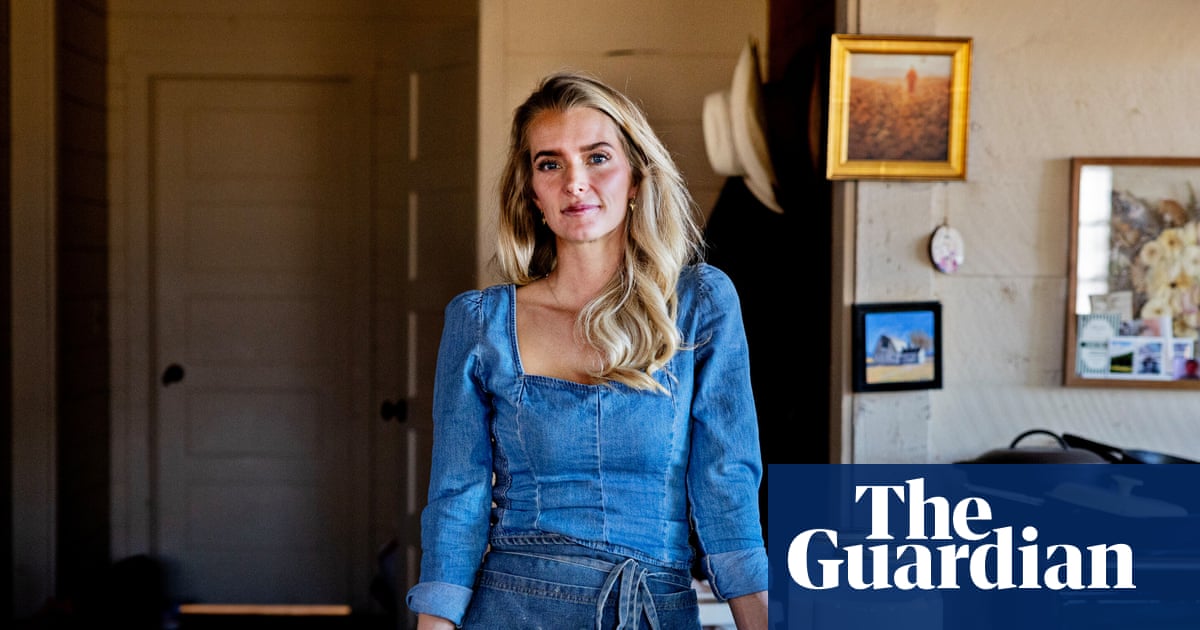
Today, the image of the tradwife is often associated with influencers like Hannah Neeleman and Nara Smith, who have transformed their platforms into lucrative ventures by sharing their experiences of motherhood and domestic life. Their influence raises questions about the cultural implications of such portrayals:
- How does this impact societal expectations of women?
- What messages are being communicated to younger generations?
The Cultural Context
Reflecting on the past decade, we witnessed a fierce backlash against regressive gender politics, symbolized by works like The Handmaid’s Tale. This cultural landscape has shifted dramatically, and the rise of the tradwife feels like a response to that resistance.
The Dichotomy of the Tradwife and Handmaid
There is an interesting parallel between the tradwife and the handmaid. While the handmaid serves as a warning against oppression, the tradwife represents a troubling acceptance of submission:
- The handmaid embodies resistance; the tradwife, compliance.
- The tradwife is a constructed ideal, a performance rather than a reality.
Gendered Violence and Societal Implications
As we move further into 2026, the symbol of feminist resistance appears fragmented. The escalation of gendered violence underscores the dangerous narratives being perpetuated in society. The emergence of the tradwife can be interpreted as a manifestation of a deeper, more insidious agenda aimed at controlling women’s voices and lives.
The Commercialization of Womanhood
The tradwife archetype is not merely a trend but a commercialization of womanhood itself. It promotes an idealized version of femininity that encourages women to:
- Serve and smile.
- Procreate and consume.
This is not about choice; it is about a regressive reminder of women’s roles in society.
A Call for Reflection
As I reflect on these themes in my novel Yesteryear, I aim to challenge the narratives surrounding the tradwife. It is essential to critically engage with these representations and their implications for real women in today’s society.