



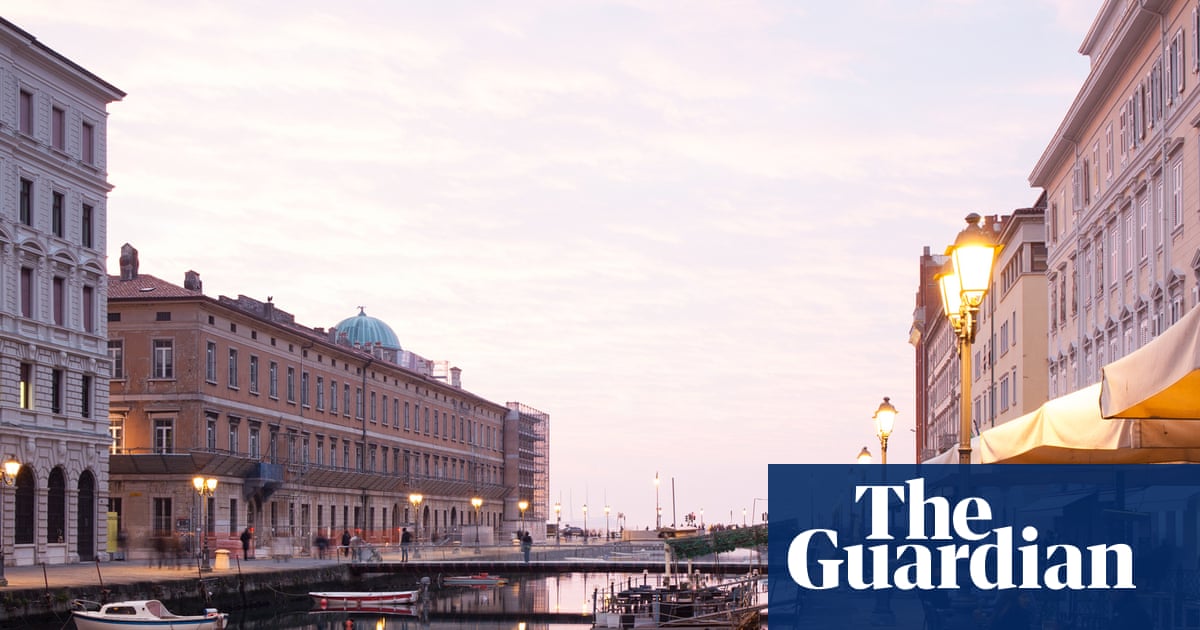
Exploring Trieste: A Gastronomic Journey
Trieste, a city nestled between the Adriatic Sea and the Karst hills, has long captivated those who venture into its unique culinary landscape. My own journey to Trieste, nearly two decades in the making, was steeped in anticipation and a sense of adventure. This city, with its rich history and multifaceted culture, is not just a place to visit; it’s a feast for the senses, especially for food enthusiasts.
A City with a Digestive History
Trieste’s history is as complex as its culinary offerings. Once a fishing village, it evolved through various dominions and cultures, each leaving an indelible mark on its gastronomic character. The city has:
- Been colonized by the Romans
- Endured Venetian raids
- Served as an influential port under the Habsburg monarchy
- Gained independence and later reintegrated into Italy post-World War II
This rich tapestry of history is mirrored in the architecture, dialect, and, most importantly, the food culture that defines Trieste today. From traditional dishes to modern culinary innovations, Trieste is a city that has truly digested its past.
Coffee Culture: The Heartbeat of Trieste
At the heart of Trieste’s culinary scene lies its coffee culture, which took root in 1719 when the city was declared a free port. This pivotal moment set the stage for the flourishing of coffeehouses, many styled after the iconic Viennese Kaffeehaus. Today, you can find:
- Historic cafes that serve literary legends like James Joyce and Italo Svevo
- Modern specialty coffee shops showcasing local roasters
- The bustling port of Trieste, which still handles over 50% of Italy’s coffee bean imports
Trieste is a city that not only smells of coffee but also tastes of salt, a reminder of its maritime roots.
A Culinary Tradition of Snacking
Another gem of Trieste’s food culture is the concept of femo un rebechin, which translates to taking a snack or a quick bite. This tradition reflects the city’s robust working-class heritage, where hearty mid-morning snacks were essential. Buffets, serving dishes like:
- il bollito misto (boiled pork with sides)
- Soups and stews
- Cured meats and cheeses
These casual dining spots are still prevalent in Trieste, embodying the spirit of community and culinary delight.
Highlights of Trieste’s Culinary Scene
Here are some standout culinary destinations to explore in Trieste:
- Caffè Stella Polare: A classic café rich in literary history, perfect for starting your day with an espresso.
- Pagna: A modern bakery known for its long-fermented breads and specialty coffees.
- Antica trattoria Menarosti: Celebrated for its seafood dishes and a menu that changes daily based on the catch of the day.
- Da Pepi: The oldest buffet in Trieste, famous for its pork dishes and quick service.
- L’Approdo: A bustling spot for tapas-style snacks, perfect for a casual glass of wine.
- SET: A deli offering regional specialties and rare products.
- La pasticceria Pirona: A pastry shop steeped in tradition, known for its delectable Austro-Hungarian sweets.
How to Order Coffee in Trieste
Ordering coffee in Trieste can be a delightful experience if you know the local terms. Here’s a quick guide:
- For an espresso: un nero
- For a macchiato: un capo
- For a decaf espresso: un deca
Embrace the local coffee culture by ordering at the bar for a more authentic experience.
Travel Tips for Visiting Trieste
If you’re planning a trip to this culinary haven, consider the following:
- Getting There: Ryanair offers direct flights from Stansted, while train travel from London is also an option.
- Where to Stay: Look into hotel L’Albero Nascosto for comfortable accommodations near the city center.
- What to See: Explore Piazza Unità d’Italia, the Revoltella Museum, and the historic Miramare Castle.
Trieste is not just a city; it’s a journey through time, taste, and tradition. Each meal tells a story, and each cafe offers a glimpse into its vibrant past. For those who cherish food and culture, Trieste is an unmissable destination.
For more details, read the original news at the source: The Guardian.