



Preserving Our Peatlands: A Critical Perspective
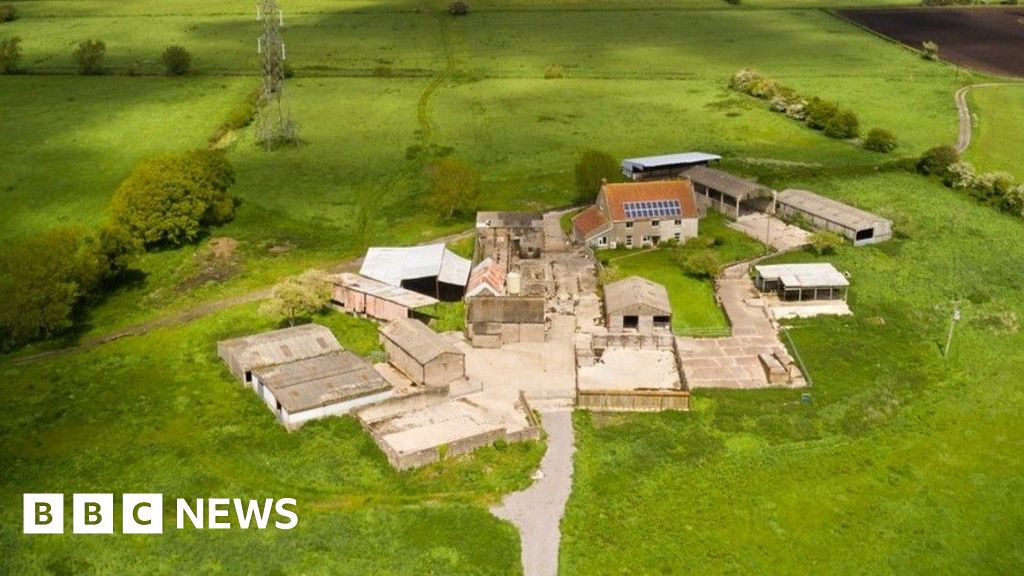
As I reflect on the state of our natural environments, Honeygar Farm stands out as a significant example of the challenges and responsibilities we face in conserving our precious peatlands. This unique area within the UK is one of the last remaining pockets of deep lowland peatland, offering us not only a glimpse into the past but also a vital resource for our future.
The Importance of Peatlands
Peatlands are often underestimated in their ecological value. They play an essential role in carbon storage, biodiversity, and water regulation. Here’s a closer look at their importance:
- Carbon Sink: Peatlands store more carbon than all of the world’s forests combined, making them critical in the fight against climate change.
- Biodiversity Hotspot: These ecosystems are home to a variety of plant and animal species, many of which are rare or endangered.
- Water Regulation: Peatlands help to regulate water cycles, reducing the risk of flooding and maintaining water quality.
Challenges Faced by Honeygar Farm
Despite their importance, peatlands are under threat. Honeygar Farm is no exception, facing several challenges that could jeopardize its future:
- Climate Change: Shifting weather patterns and rising temperatures are putting additional stress on these delicate ecosystems.
- Land Use Changes: Agricultural expansion and urban development threaten to encroach upon and degrade these vital areas.
- Lack of Awareness: Many people are unaware of the ecological significance of peatlands, leading to a lack of public support for conservation efforts.
Our Responsibility Towards Conservation
The preservation of Honeygar Farm and similar peatland areas is not just a local concern; it is a global imperative. Here’s what we can do collectively:
- Advocacy: Raise awareness about the importance of peatlands and advocate for policies that protect these ecosystems.
- Support Sustainable Practices: Encourage practices that promote the health of peatlands, such as sustainable agriculture and responsible land management.
- Participate in Restoration Projects: Get involved in initiatives aimed at restoring degraded peatlands to their natural state.
In conclusion, as we consider the future of our environment, the story of Honeygar Farm serves as a powerful reminder of the interconnectedness of our ecosystems. Protecting peatlands is essential for maintaining biodiversity and mitigating climate change effects. It is our duty to ensure that these natural treasures are preserved for generations to come.
To delve deeper into this topic and read the original news article, please visit BBC News.