



Unprecedented Insights into the Milky Way
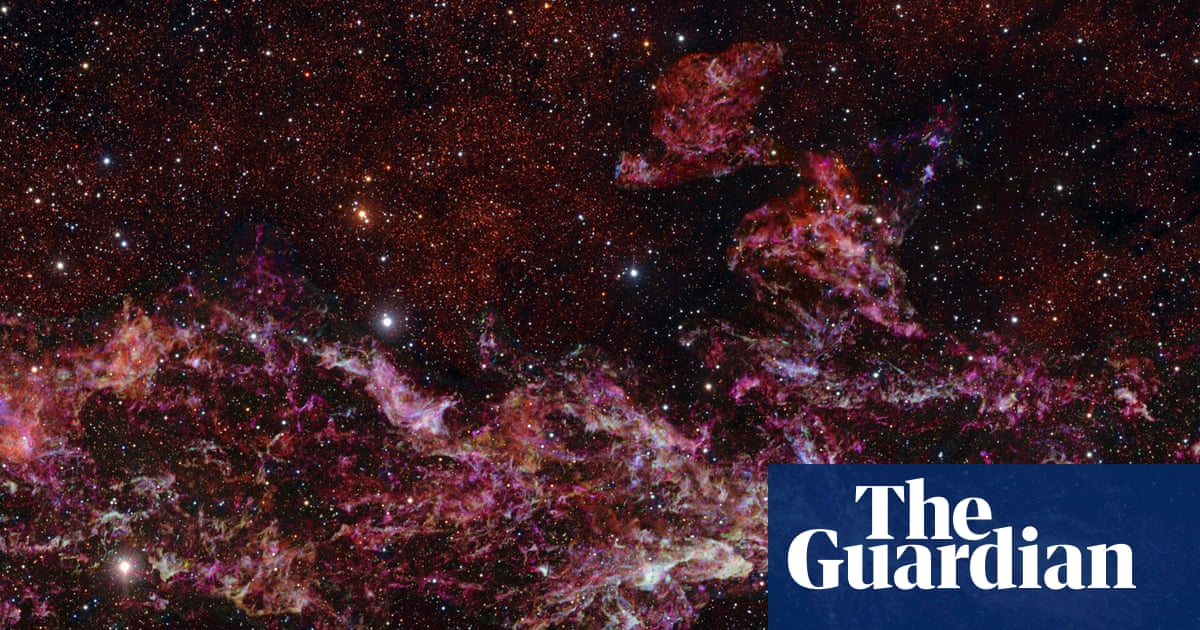
Recently, scientists have unveiled a stunning new image of our home galaxy, the Milky Way, captured in remarkable detail. This image is the largest ever obtained by the Atacama Large Millimeter/submillimeter Array (ALMA) radio telescope in Chile, marking a significant milestone in astronomical research.
Understanding Our Origins
The implications of this image extend far beyond mere aesthetics. According to Steven Longmore, the principal investigator and a professor of astrophysics at Liverpool John Moores University, this image is crucial for unraveling the mysteries of our planet’s origins. Here’s why:
- Galactic Conditions: The center of our galaxy exhibits extreme conditions—high temperatures, pressures, and turbulence—that mirror those found in galaxies during the early universe.
- Star Formation: By studying these conditions, we can gain insights into how stars and planets formed in the distant past.
- Research Collaboration: Longmore has collaborated with over 160 scientists for years on the ALMA CMZ Exploration Survey, highlighting the collaborative spirit of modern astrophysics.
Prior to this breakthrough, our understanding of the Milky Way’s center was fragmented, akin to having isolated snapshots without a cohesive map. Longmore likened it to having “a few snapshots of individual streets but no map of the city.” This new image provides a comprehensive view of the galaxy’s structure and formation processes.
Surprising Discoveries
What’s particularly fascinating is the unexpected findings from this observation. The telescope revealed long, thin filaments of matter flowing together, which serve as streams for star and planet formation. This revelation adds a new layer to our understanding of galactic dynamics.
Longmore expressed his dual appreciation for the aesthetic and scientific value of the image. He noted, “The image of things that your eye naturally picks up that make it beautiful also has imprinted within it the physics that we’re interested in.” This blend of art and science is what makes astronomical research so captivating.
Future Prospects
Looking ahead, the research team aims to utilize advanced telescopes, such as the James Webb Space Telescope and the Extremely Large Telescope, currently under construction in Chile. These instruments will allow astronomers to explore the Milky Way in even greater detail.
- Combining Observations: By merging observations across different wavelengths, scientists can create color images that reveal deeper physical information.
- Cause-and-Effect Relationships: Understanding interactions between gas clouds and star formation will help clarify the processes that lead to the birth of stars.
- Competitive Proposals: The team has applied for observation time on the Webb telescope, but competition is fierce, with a low probability of securing time for their research.
This exploration of our galaxy not only enhances our cosmic knowledge but also ignites the public’s imagination about the universe. As we continue to push the boundaries of what we know, the potential discoveries awaiting us are boundless.
For further insights and to read the original news, visit the source: The Guardian.