



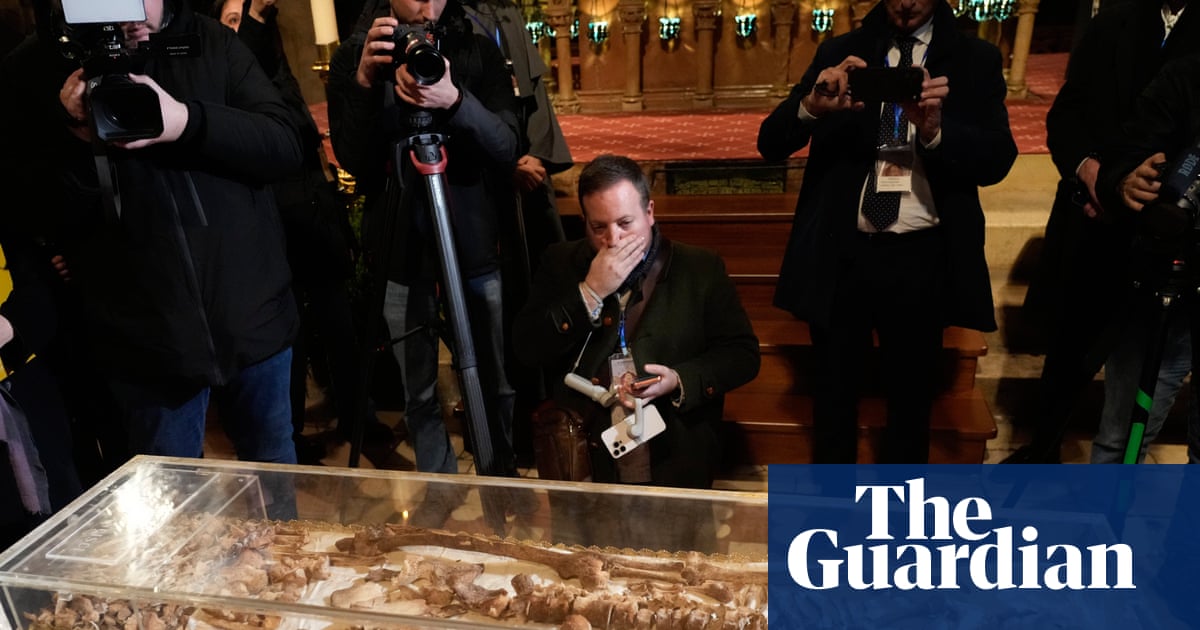
Saint Francis of Assisi’s Skeleton on Display: A Historical Moment
This Sunday marks a significant event in religious and cultural history as the skeleton of Saint Francis of Assisi is displayed to the public for the first time. Located in the beautiful Basilica of Saint Francis in Assisi, Italy, the remains are encased in a nitrogen-filled display, ensuring their preservation and safety.
A Symbol of Devotion
Saint Francis, who passed away on October 3, 1226, is renowned for founding the Franciscan order and dedicating his life to serving the poor. The display of his remains is not merely an exhibition; it is a powerful testament to his legacy and a symbol of his unwavering commitment to his beliefs.
Expectations and Visitor Interest
According to Giulio Cesareo, the director of communications for the Franciscan convent, this event aims to create a “meaningful experience” for both believers and those who may be skeptical. The anticipated turnout is staggering:
- Almost 400,000 reservations have been made from around the globe.
- Visitors include a diverse crowd from Italy, Brazil, North America, and Africa.
- Weekday visitation is expected to rise from 1,000 to 15,000, while weekends may see between 4,000 to 19,000 visitors.
Historical Context
The remains of Saint Francis have a complex history. Though initially interred in a basilica built in his honor in 1230, they were rediscovered in 1818 after secretive excavations. Since then, the bones have been displayed publicly only once, in 1978, for a very limited audience.
Preservation Measures
Ensuring the preservation of these sacred remains is of utmost importance. The display case is designed to maintain the same environmental conditions as his original tomb. Key measures include:
- A sealed display case to prevent air exposure.
- Subdued lighting to avoid damaging the remains.
- 24/7 surveillance to enhance security.
Reflections on Veneration
Cesareo notes that the veneration of relics is a long-standing tradition within Christianity, tracing back to the catacombs. This display is not seen as morbid but rather as a continuation of a practice that honors spiritual figures and their contributions to faith and humanity.
As we witness this historic event unfold, it is clear that the display of Saint Francis’s remains is not just an opportunity for tourism; it is a moment for reflection on his life and the values he championed. Whether one approaches this event from a place of faith or curiosity, it promises to offer a profound experience.
For those interested in the full story, I invite you to read the original news article here.