



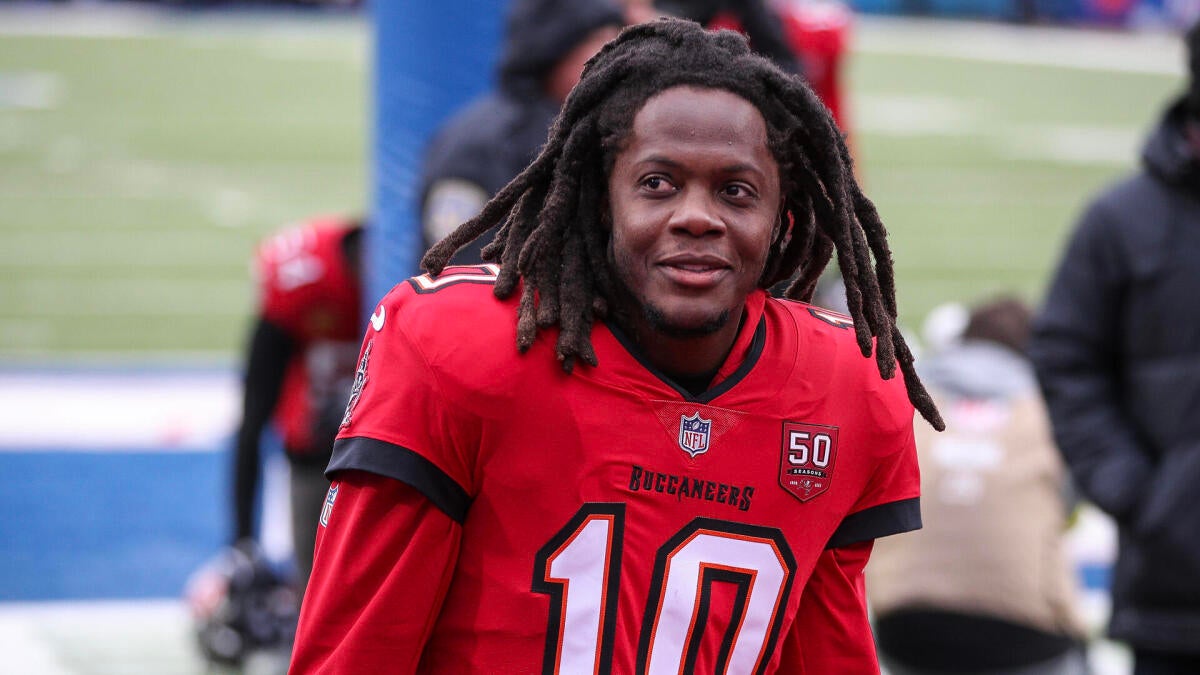
Florida Senate Passes Bill Allowing Coaches to Provide Financial Assistance
The recent developments surrounding NFL quarterback Teddy Bridgewater and his coaching career at Miami Northwestern High School have brought to light significant changes in legislation that could impact high school sports in Florida. The passage of the “Teddy Bridgewater bill” by the Florida Senate not only reflects a shift in policy but also raises important questions about equity, accountability, and the future of high school athletics.
The Context of the Bill
Bridgewater’s suspension from coaching duties was a direct result of his decision to provide financial assistance to his players, a move that was deemed impermissible by the Florida High School Athletic Association. Let’s break down the key aspects of this situation:
- Suspension Details: Bridgewater was suspended for the entire 2025-26 school year for offering benefits like transportation and meals to his players.
- Financial Contributions: His personal spending totaled around $27,000, which included $700 a week on Uber rides during the 2024 season.
- Legislative Response: The bill aims to legalize such expenditures, requiring coaches to report their expenses, thereby promoting transparency.
Bridgewater’s Perspective
In reflecting on his motivations, Bridgewater emphasized his protective instincts as a coach and a father figure. He stated:
“I’m protective, and I’m a father first before anything. And when I decided to coach, those players became my sons.”
This sentiment exemplifies the challenges coaches face when operating within the constraints of existing regulations. It raises a pivotal question: How do we balance the well-being of student-athletes with the need for rule enforcement?
The Implications of the Bill
If Senate Bill 178 is enacted, here are some potential implications:
- Increased Support: Coaches would have the ability to financially support their players, potentially enhancing the overall team experience.
- Accountability Measures: The requirement to report expenditures could foster accountability and transparency in how funds are used.
- Potential for Inequality: There is a risk that wealthier coaches could provide significant advantages, leading to disparities between programs.
Looking Ahead
As Bridgewater’s suspension nears its end, the question remains whether he will return to coaching at Northwestern or continue his NFL career. His journey has been remarkable—from leading his team to a state championship to navigating the complexities of coaching and legislation. If he does return to the sidelines, he could bring valuable experience and insights that could benefit both his players and the broader community.
This situation is a reminder of the evolving landscape of high school athletics and the need for policies that reflect the realities of student-athletes’ lives. As we anticipate the outcome of this bill, it’s crucial to consider how best to support young athletes while maintaining the integrity of the sport.
For more detailed coverage of this story, please read the original news at the source: CBS Sports.