



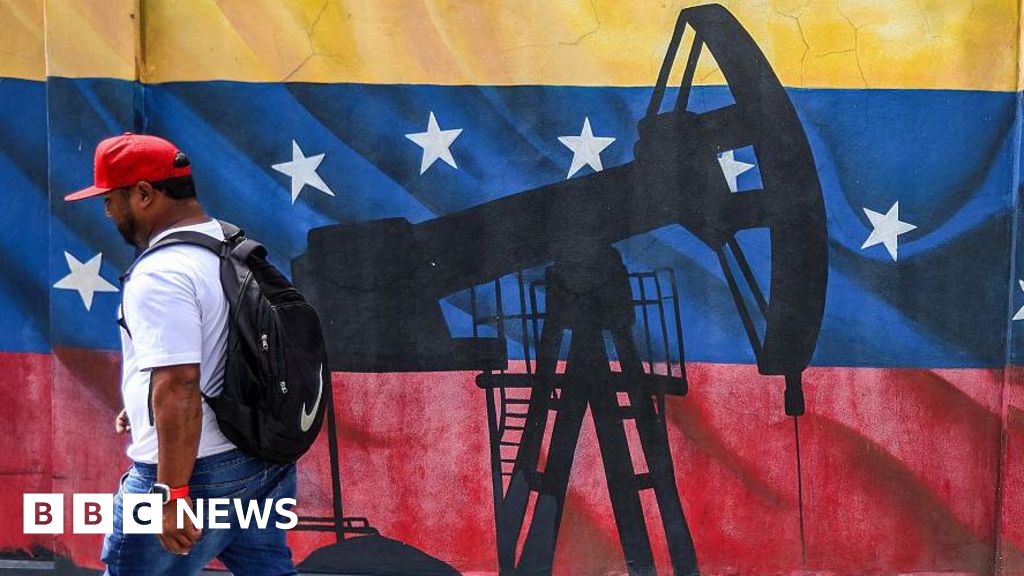
Venezuela’s Oil Reserves: A Statistical Shift
In examining the evolution of Venezuela’s oil reserves during the presidency of Hugo Chávez, one cannot help but notice the profound impact that fluctuating oil prices and political decisions can have on national statistics. The transformation of Venezuela’s oil reserves from an estimated 80 billion barrels to a staggering figure that nearly quadrupled by 2011 reveals much about the dynamics of the global oil market and the economic strategies employed by the Chávez administration.
The Reclassification of Reserves
The decision to reclassify oil reserves was not merely a statistical adjustment; it was a strategic move that aligned with the soaring oil prices of the time. This reclassification had significant implications, suggesting that previously deemed unviable projects could suddenly be seen as economically feasible. Here are some key points to consider:
- High Oil Prices: The surge in oil prices during the early 2010s created a favorable environment for Venezuela to reassess its resource potential.
- Political Climate: Chávez’s government capitalized on this opportunity, positioning Venezuela as a major player in the global oil landscape.
- Impact on Investment: The new figures attracted foreign investments, although the long-term sustainability of these projects remains questionable.
- Economic Ramifications: The reliance on oil revenues has led to a precarious economic situation for Venezuela, particularly as prices have fluctuated in recent years.
Thoughtful Insights
While the reclassification of oil reserves may have painted a picture of abundance, it raises essential questions about the long-term viability of such statistics. Are these reserves truly extractable, or are they merely a reflection of optimistic projections? The reality is that the oil industry is fraught with uncertainties, and Venezuela’s reliance on these reserves poses significant risks.
Conclusion
Venezuela’s experience serves as a cautionary tale about the interplay between politics, economics, and natural resources. As nations continue to navigate the complexities of the global oil market, it becomes evident that statistical manipulation can have far-reaching consequences. The situation in Venezuela prompts us to consider the broader implications of such reclassifications and the sustainability of energy policies worldwide.
For more detailed information, I encourage you to read the original news article here.