



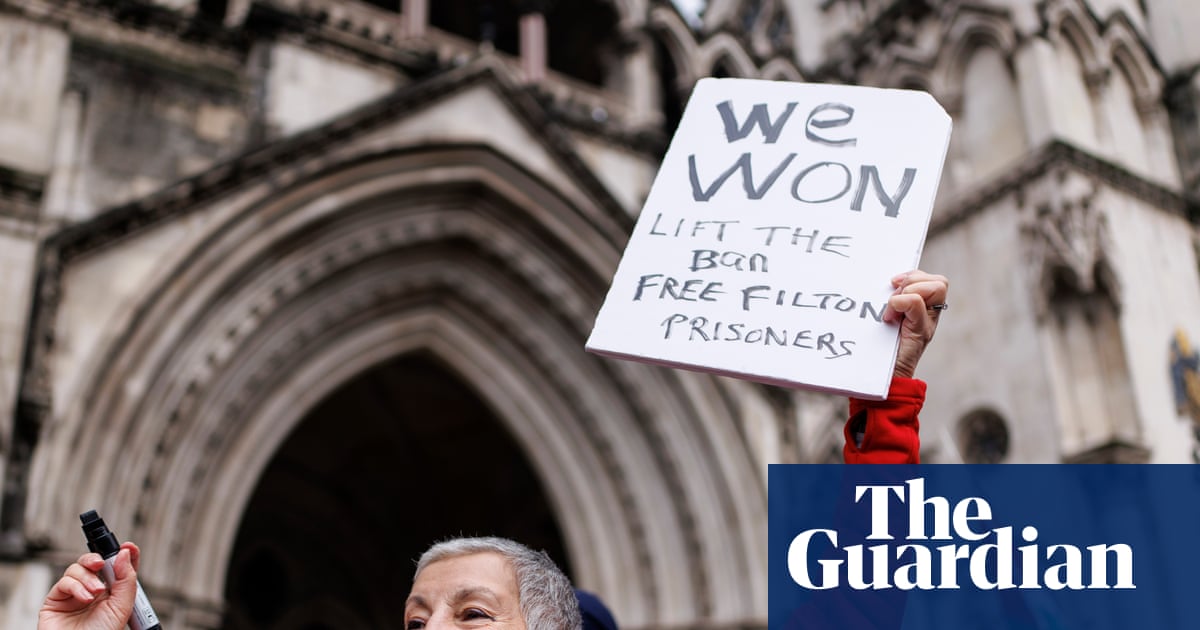
High Court Ruling: A Turning Point for Palestine Action Supporters
The recent ruling by the High Court to overturn the proscription of Palestine Action has ignited a mixture of jubilation and caution among those previously arrested for their support of the organization. With nearly 3,000 arrests since the ban was imposed, this decision is significant not only for the individuals involved but also for the broader implications regarding civil liberties and governmental authority in the UK.
Context of the Ruling
According to Dame Victoria Sharp, the president of the King’s Bench Division, the ban was determined to be unlawful on two primary grounds:
- Violation of Human Rights Laws: The proscription was found to infringe upon fundamental human rights.
- Failure to Assess Genuine Threat: The government did not adequately consider the actual threat posed by Palestine Action as per their own proscription policies.
This ruling has brought a semblance of vindication to individuals like Chris Romberg, a former army colonel who felt the ban was “illegitimate.” His sentiments resonate with many who believe that the government’s actions were not only excessive but also unjust.
A Mixed Reaction from the Arrested
While many are celebrating the court’s decision, there remains an air of uncertainty. The government has indicated plans to appeal the ruling, which leaves ongoing legal proceedings in a state of limbo. Some key reactions include:
- Trisha Fine: After spending 27 hours in custody, she expressed relief but voiced her concerns about the ongoing appeal process.
- Richard Whitmore-Jones: Initially ecstatic about the ruling, he has since adopted a more cautious stance, reflecting on the potential ramifications of the government’s appeal.
- Father John McGowan: Recognizing the significance of the ruling, he also expressed anger towards the government for their continued support of Israel, suggesting it alienates them from public sentiment.
Implications for Civil Liberties
This case raises critical questions about the balance between national security and civil liberties. The ruling may serve as a wake-up call to the government regarding the extent of its powers and the public’s perception of its actions. Romberg’s observations highlight a disconnection between the government and its constituents, particularly regarding foreign policy and human rights issues.
Future Outlook
As the appeal process unfolds, those previously arrested are left in a state of uncertainty. The prospect of facing terror charges continues to loom over many, casting a shadow on what should be a moment of relief and vindication. The ongoing conflict in Gaza remains a pressing concern, with many arrestees feeling that while legal battles ensue, the humanitarian crisis endures.
As we reflect on this development, it is crucial to consider the broader implications for freedom of expression and protest. The government’s approach may very well shape the future landscape of activism in the UK.
For those interested in exploring the original news article and gaining deeper insights into this significant ruling, I encourage you to read more at the source.