



Revitalizing Sicily: The Renaissance of Art in Urban Spaces
In the vibrant streets of Palermo, where tourists flock to soak in the rich culture, a remarkable transformation is unfolding. As I traverse Via Maqueda, weaving through the bustling crowds and the intoxicating aromas of pomegranate juice and Aperol spritzes, I stumble upon a hidden gem – number 206, the Convento dei Crociferi. Once abandoned for three decades, this historic building is on the verge of a renaissance, thanks to the visionary efforts of Andrea Bartoli and Florinda Saievi.
A New Cultural Landmark
The Convento dei Crociferi is set to debut as the Museum of World Cities by the end of February. Stepping inside, I am greeted by a stunning cloister adorned with scalloped porticoes, encircling a lush courtyard filled with tropical plants. Bartoli, brimming with enthusiasm, guides me through the museum’s grand marble-floored rooms, showcasing an exhibition focused on urban change.
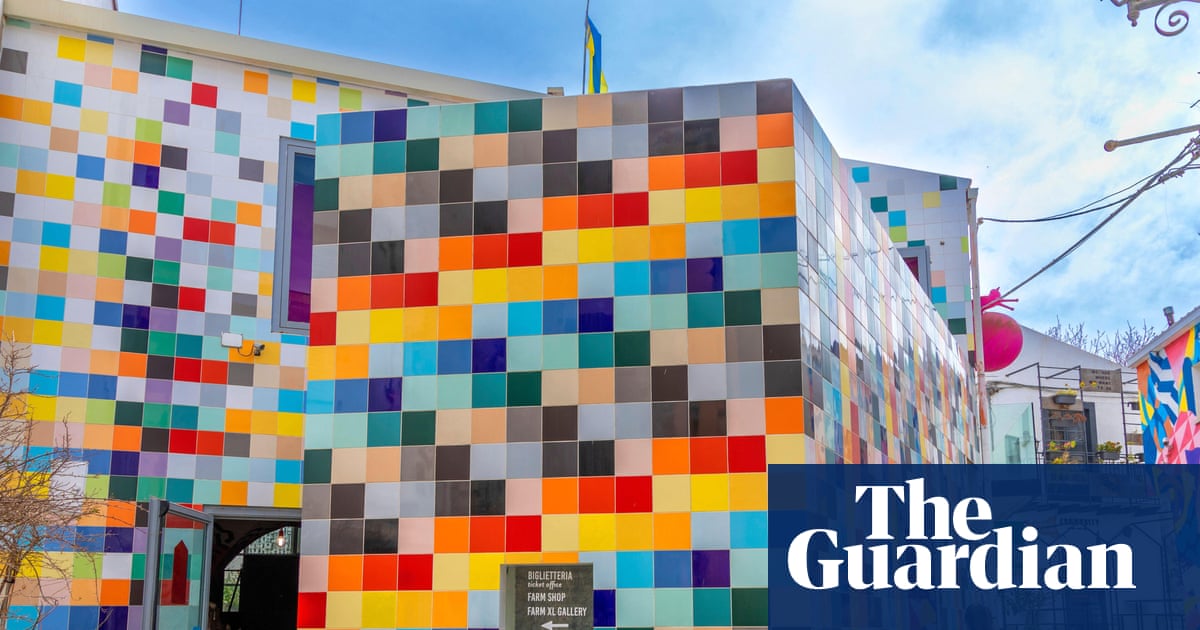
“Cities change because people make them change,” Bartoli articulates, encapsulating the essence of his organization, Farm Cultural Park. Since its inception in Favara in 2010, Farm Cultural Park has breathed new life into neglected urban areas, transforming them into vibrant cultural hubs.
- Favara, once a struggling sulfur mining town, now boasts over 600 tourist beds.
- Before Farm Cultural Park’s arrival, the town had just one six-room hotel.
The Power of Art and Community
Bartoli’s pragmatic view is refreshing: “What happened in Favara was a miracle. But you can’t just put art in a place and hope it solves all of the problems.” He emphasizes that while contemporary art cannot single-handedly address systemic issues like healthcare and education, it can attract visitors, create jobs, and entice residents back to the area.
This sentiment resonates throughout Sicily, where a cultural resurgence coincides with ongoing depopulation. Vacant churches, prisons, and convents are being repurposed into spaces for creativity and innovation.
Gibellina: An Artistic Oasis
Traveling beyond Palermo, I arrive in Gibellina, a town with a rich artistic history. Following the tragic earthquake of 1968 that razed the original town, visionary mayor Ludovico Corrao invited artists to redefine the community. The result? An extraordinary fusion of art and architecture, with structures like the stainless steel star, Stella d’ingresso al Belice, welcoming visitors as they drive through the town.
“This is how a dream becomes reality – art becoming an economic driver for the region,” explains Antonella Corrao, Ludovico’s daughter, who leads the local arts organization, Fondazione Orestiadi. Gibellina has just been designated as Italy’s first Capital of Contemporary Art, a recognition that aims to revive its fading glory and draw tourists back.
- New residencies for artists and performers are emerging in repurposed civic centers.
- Plans are underway to restore the Torre Civica, which will once again fill the air with regional folk songs by 2026.
Honoring the Past While Embracing the Future
As I explore the former San Vito prison, now a canvas for contemporary art, I am struck by its layered history, echoing the lives of countless individuals who once inhabited its austere walls. Local architect Lorena Caruana poignantly notes, “There’s so much collective memory associated with this place. We don’t want to paint over it.” This philosophy underlines the goal of revitalizing Sicily’s ghost towns while honoring their historical significance.
In conclusion, the ongoing transformation of these Sicilian towns serves as a testament to the power of art and community in driving urban revitalization. The juxtaposition of the past and present creates a narrative that resonates deeply, offering hope and inspiration for future endeavors.
For more detailed insights into this cultural renaissance, I encourage you to read the original news article here.