
Close Menu
Mirror Brief

    Subscribe to Updates

    Get the latest creative news from FooBar about art, design and business.

    What's Hot

    Discovering Milan: A Local’s Guide to the Best Eateries, Culture, and Green Spaces

    February 6, 2026

    Uncommon Giant Phantom Jellyfish Discovered in Argentina’s Deep Seas

    February 6, 2026

    Amazon Stock Plummets Amid Big Tech’s AI Investment Surge

    February 6, 2026
    Facebook X (Twitter) Instagram
    Mirror BriefMirror Brief
    Trending
    • Discovering Milan: A Local’s Guide to the Best Eateries, Culture, and Green Spaces
    • Uncommon Giant Phantom Jellyfish Discovered in Argentina’s Deep Seas
    • Amazon Stock Plummets Amid Big Tech’s AI Investment Surge
    • Norway Probes Ex-PM Jagland Regarding Suspected Connections to Epstein
    • Men’s College Basketball Power Rankings: Will the Top Five Endure This Week?
    • Almost 60,000 Individuals Departed the UK Since the 2024 Election, According to Home Office
    • Exploring 75 Low- and No-Alcohol Beverages: My Top Picks for Beers, Wines, and Spirits
    • Five Protein-Packed Vegetarian Snacks Recommended by a Dietitian
    Friday, February 6
    • Home
    • Business
    • Health
    • Lifestyle
    • Politics
    • Science
    • Sports
    • World
    • Travel
    • Technology
    • Entertainment
    Mirror Brief
    Home»Politics»Reimagining Britain’s Manufacturing Strength: Lessons from Developing Nations
    Politics

    Reimagining Britain’s Manufacturing Strength: Lessons from Developing Nations

    By Tomas RiveraFebruary 5, 2026No Comments3 Mins Read
    Share Facebook Twitter Pinterest LinkedIn Tumblr Reddit Telegram Email
    Reimagining Britain’s Manufacturing Strength: Lessons from Developing Nations
    Share
    Facebook Twitter LinkedIn Pinterest Email

    Lessons from China: Rebuilding Britain’s Manufacturing Sector

    In reflecting on the legacies of Margaret Thatcher and Deng Xiaoping, it’s clear that both leaders embarked on transformative journeys for their respective nations. Thatcher sought to rejuvenate capitalism in Britain, while Deng initiated a wave of reforms in China, famously termed “socialism with Chinese characteristics.” As we analyze the economic trajectories of both countries since their ascents to power, it’s striking to note how they seem to have exchanged positions in the global economic landscape.

    Economic Transformation: A Comparative Analysis

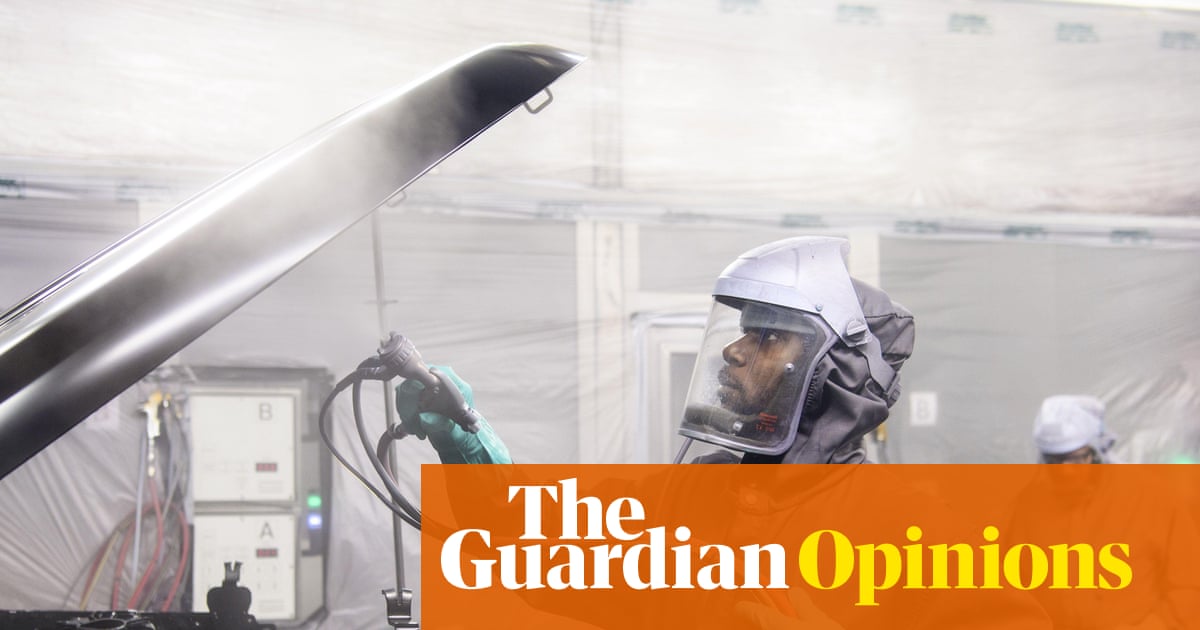
    China, once primarily an agrarian society, has evolved into an industrial titan. In stark contrast, Britain has moved away from manufacturing, becoming predominantly a service-oriented economy. This transition raises several questions about the sustainability and future of Britain’s economic model.

    • Shift in Manufacturing Power: China now dominates in sectors like electric vehicles and artificial intelligence, while Britain has lost its manufacturing edge.
    • Service Sector Dependency: Services account for approximately 80% of the British economy, significantly overshadowing manufacturing.
    • Productivity Challenges: The inefficiencies in the service sector contribute to Britain’s lackluster productivity growth since the 2008 financial crisis.

    The Implications of Starmer’s Visit to China

    Keir Starmer’s recent visit to China has sparked discussions about the necessity of reviving Britain’s manufacturing capabilities. Three key lessons emerge from this diplomatic engagement:

    • Importance of Manufacturing: A robust manufacturing base is essential for Britain’s economic prosperity. Relying solely on a service-driven economy is unsustainable.
    • Potential for Rebuilding: Despite historical setbacks, Britain possesses untapped talent and resources that could foster a manufacturing revival.
    • Long-Term Commitment Required: Revitalizing the manufacturing sector is a significant undertaking that necessitates a sustained, strategic approach.

    Strategic Challenges Ahead

    While there is hope for revitalization, the path is fraught with challenges:

    • Global Competition: New manufacturing endeavors in the UK will face stiff competition from established international players, particularly from China.
    • Government Intervention Needed: Active governmental measures, such as local sourcing mandates and subsidies, will be crucial in supporting domestic manufacturing.
    • Learning from China: Britain may need to adopt strategies similar to those used by developing nations, including protective measures for nascent industries.

    Ultimately, the future of Britain’s economy hinges on its ability to rethink its approach to manufacturing. It’s imperative that the nation views itself not just as a developed economy but adopts strategies that can foster growth akin to those in developing markets.

    For a deeper understanding of this issue, I encourage readers to explore the original article here.

    Share. Facebook Twitter Pinterest LinkedIn Tumblr Email
    Previous ArticleEvolving Release Strategies: WBD, HBO, and the Future of Theatrical and Home Video Windows
    Next Article Jérémy Jacquet: The Potential Successor to Virgil van Dijk at Liverpool
    Tomas Rivera

    Tomás Rivera is a national politics correspondent at Mirror Brief, covering elections, governance, and policy for over eleven years. He emphasizes impartial analysis and fact-forward reporting.

    Related Posts

    Politics

    Almost 60,000 Individuals Departed the UK Since the 2024 Election, According to Home Office

    February 5, 2026
    Politics

    UK Maintains Interest Rates Steady at 3.75%

    February 5, 2026
    Politics

    MPs Support Initiative to Unveil Mandelson Documents Following Labour’s Outcry Leading to Reversal

    February 5, 2026
    Medium Rectangle Ad
    Travel

    Discovering Milan: A Local’s Guide to the Best Eateries, Culture, and Green Spaces

    Sophie BennettFebruary 6, 2026

    Exploring Milan Through the Eyes of Paralympic Champion Simone Barlaam Simone Barlaam, a remarkable figure…

    Uncommon Giant Phantom Jellyfish Discovered in Argentina’s Deep Seas

    February 6, 2026

    Amazon Stock Plummets Amid Big Tech’s AI Investment Surge

    February 6, 2026

    Norway Probes Ex-PM Jagland Regarding Suspected Connections to Epstein

    February 6, 2026
    Blog Posts

    Discovering Milan: A Local’s Guide to the Best Eateries, Culture, and Green Spaces

    February 6, 2026

    Uncommon Giant Phantom Jellyfish Discovered in Argentina’s Deep Seas

    February 6, 2026

    Amazon Stock Plummets Amid Big Tech’s AI Investment Surge

    February 6, 2026

    Norway Probes Ex-PM Jagland Regarding Suspected Connections to Epstein

    February 6, 2026

    Subscribe to Updates

    Get the latest creative news from FooBar about art, design and business.

    Medium Rectangle Ad
    About Us

    Welcome to Mirror Brief — your trusted lens into the stories shaping our world. From breaking news to in-depth analysis, we bring clarity, context, and perspective across a wide spectrum of global topics. Our mission is simple: to keep you informed, engaged, and inspired with reporting that’s accurate, timely, and thought-provoking.

    Top Picks

    Discovering Milan: A Local’s Guide to the Best Eateries, Culture, and Green Spaces

    February 6, 2026

    Uncommon Giant Phantom Jellyfish Discovered in Argentina’s Deep Seas

    February 6, 2026
    Recent Posts
    • Discovering Milan: A Local’s Guide to the Best Eateries, Culture, and Green Spaces
    • Uncommon Giant Phantom Jellyfish Discovered in Argentina’s Deep Seas
    • Amazon Stock Plummets Amid Big Tech’s AI Investment Surge
    • Norway Probes Ex-PM Jagland Regarding Suspected Connections to Epstein
    • About Us
    • Disclaimer
    • Get In Touch
    • Privacy Policy
    • Terms and Conditions
    © 2025 Mirror Brief. All rights reserved.

    Type above and press Enter to search. Press Esc to cancel.