



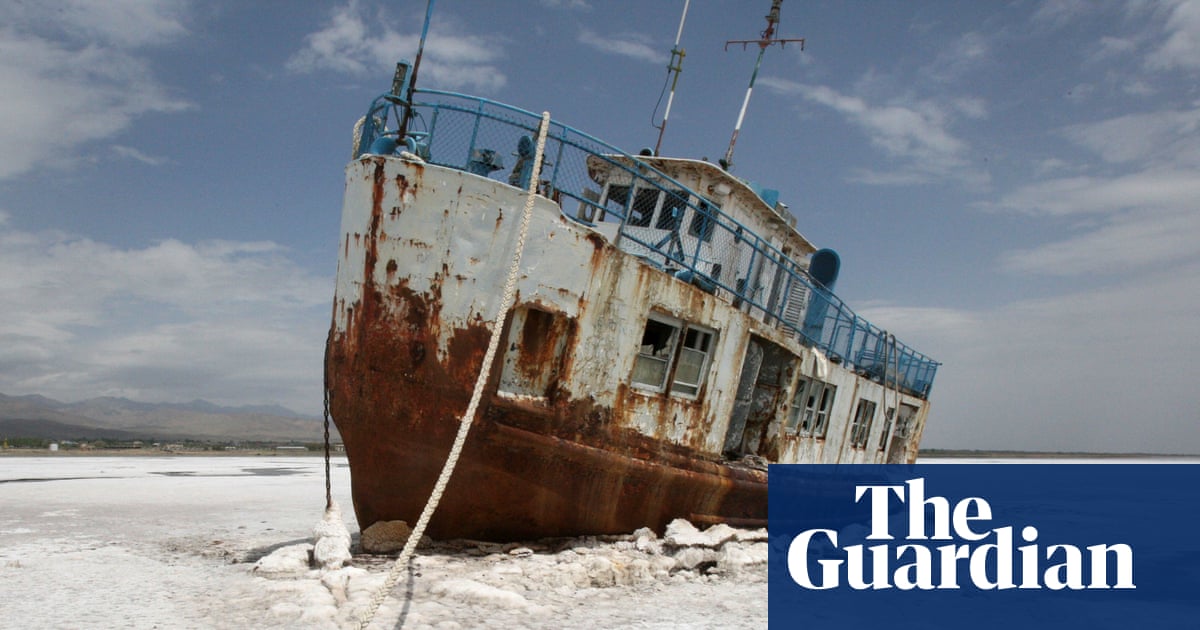
The Global Water Bankruptcy Crisis: A Call to Action
Last week, a striking report from the United Nations has sent shockwaves through our understanding of global water resources, declaring that we have entered an era of **global water bankruptcy**. This alarming designation highlights the grim reality that many of our vital water systems have deteriorated beyond the point of recovery. As I reflect on this pressing issue, it becomes increasingly clear that we stand at a critical crossroads in our environmental stewardship.
Insights from the Field
In a recent discussion facilitated by the Guardian, Madeleine Finlay engaged with key figures such as Patrick Wintour, the Guardian’s diplomatic editor, who has been closely following Iran’s severe water crisis. Additionally, insights from Mohammad Shamsudduha, a professor specializing in water crisis and risk reduction at University College London, shed light on the factors leading to our current predicament and the potential pathways toward remediation.
Key Points from the Discussion
- The Severity of the Crisis: Iran exemplifies a nation facing acute water shortages, driven by climate change, mismanagement, and overuse of resources.
- Historical Context: The report suggests that many regions have been depleting their water sources without sustainable practices, leading to irreversible damage.
- Possible Solutions: There are discussions on implementing better water management practices, investing in technology, and fostering international cooperation to tackle the crisis.
- The Importance of Awareness: Raising public consciousness about water conservation and sustainable practices is vital in reversing the trend of water depletion.
My Perspective
The concept of global water bankruptcy is not merely an environmental concern; it is a profound humanitarian crisis that threatens livelihoods, economies, and ecosystems. As we grapple with these challenges, it is essential to recognize that water is not an infinite resource. The urgent need for sustainable water management practices cannot be overstated. This situation calls for:
- **Immediate action** from governments and organizations worldwide to implement conservation strategies.
- **Investment in technology** that enhances water efficiency and recycling.
- **Global partnerships** that transcend borders, allowing knowledge sharing and resource allocation.
In conclusion, the UN’s declaration serves as a wake-up call. If we are to safeguard our future and that of generations to come, we must take decisive actions today. Let us not wait until it is too late.
For a deeper understanding of the ongoing water crisis and the insights shared by experts, I encourage you to read the original news article here.