


Remembering Barbara Hurman: A Life Dedicated to Archaeology and Service
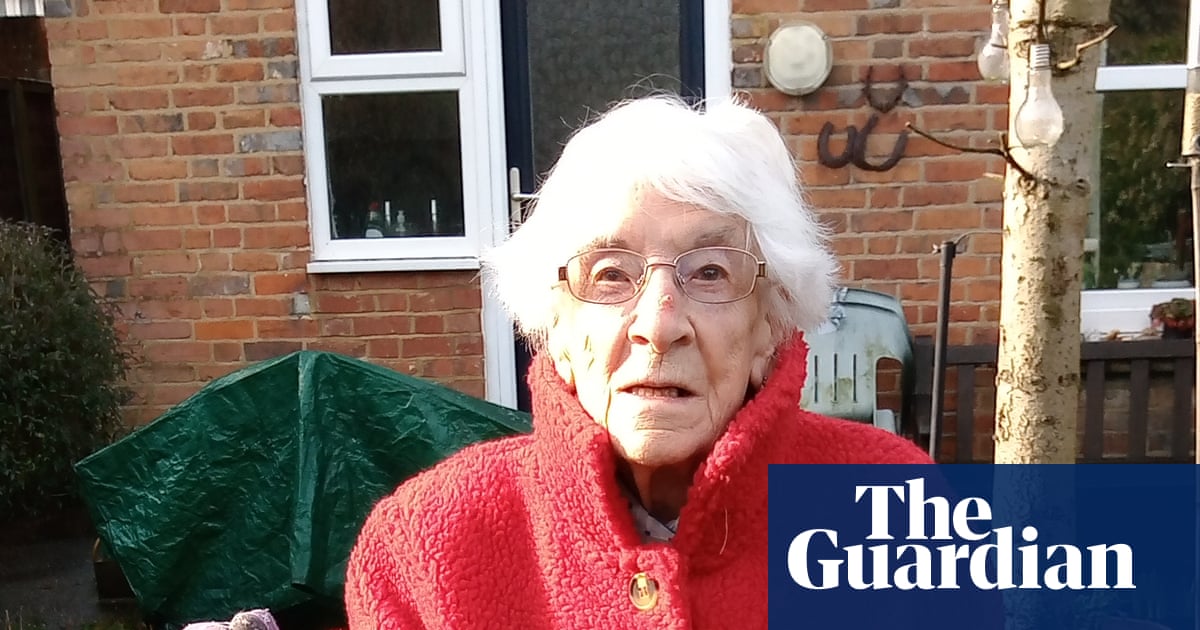
Barbara Hurman, who recently passed away at the remarkable age of 100, leaves behind a legacy that intertwines archaeology with a deep commitment to service. Her journey from the Auxiliary Territorial Service during World War II to becoming a respected archaeologist is not just a testament to her dedication but also a reflection of the evolving roles women have played throughout history.
A Groundbreaking Archaeologist
Barbara’s contributions to the field of archaeology are notable. Throughout her career, she worked on numerous prominent sites, including:
- Bucks Museum in Aylesbury
- Milton Keynes Archaeological Unit
- Department of the Environment
- Museum of London
- Nottingham University’s excavation of the Roman site at Veliko Tarnovo, Bulgaria
Her role as a finds supervisor and ceramic analyst in her late 70s exemplifies her unwavering passion for archaeology, proving that age is no barrier to pursuing one’s interests.
A Multi-Faceted Career
Beyond excavation, Barbara’s impact extended into technical editing and research. She was instrumental in establishing the Association of Archaeological Illustrators and Surveyors and contributed to significant publications such as:
- Medieval and Later Pottery Research Group’s Guide to the Classification of Medieval Ceramic Forms (1998)
- Pots, Potters and Potteries of Buckinghamshire (2019)
Her scholarly contributions helped shape the understanding of archaeological finds, particularly in Buckinghamshire, showcasing her dedication to the field.
A Personal Journey
Born in Thornton Heath, London, Barbara’s early life was marked by a strong sense of duty and a desire for knowledge. Her enlistment in the ATS during WWII was a pivotal moment, allowing her to serve her country while simultaneously igniting her passion for history. After the war, her time in Egypt further deepened her fascination with the ancient world.
Legacy of Service
In her later years, Barbara’s commitment to highlighting the contributions of servicewomen during the war was commendable. Her efforts included:
- Interviews with various news outlets
- A reading at Westminster Abbey for the 70th anniversary of VE Day
- Meeting Queen Elizabeth II to promote the Together at Christmas initiative
- Attending a reception at Buckingham Palace for the 80th anniversary of VE Day
These endeavors not only celebrated her own history but also ensured that the stories of countless women who served were not forgotten.
Conclusion
Barbara Hurman’s life is a powerful reminder of the impact one individual can have on both their community and the broader historical narrative. Her journey from a wartime teleprinter operator to an esteemed archaeologist reflects resilience, passion, and an enduring legacy. It is a loss felt deeply by her family—survived by three children, three grandchildren, and four great-grandchildren—and the communities she touched throughout her life.
To read the original news article, visit The Guardian.