



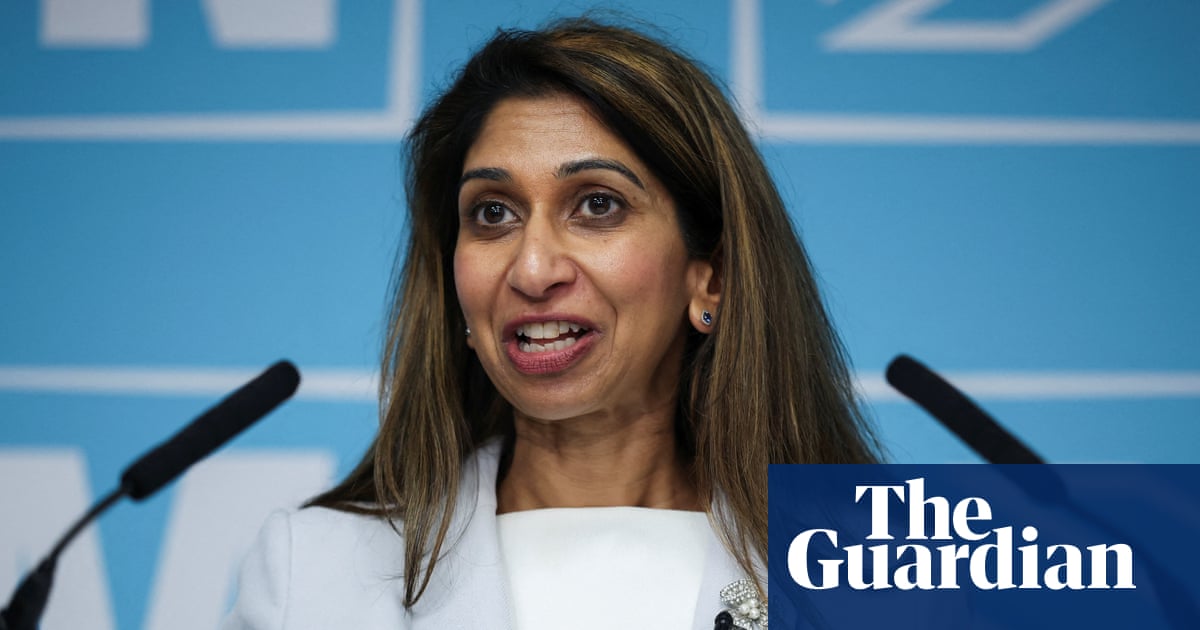
Conservative Party’s Blunder: A Misstep in Mental Health Discourse
In a shocking turn of events, the Conservative Party has retracted a statement regarding Suella Braverman’s recent defection to Reform UK, specifically one that linked her departure to mental health struggles. This miscommunication has not only ignited a firestorm of criticism but also raises serious questions about the party’s handling of sensitive issues.
The Erroneous Statement
Initially, the Conservatives claimed that Braverman’s departure was anticipated and tied to her mental health, stating, “It was always a matter of when, not if, Suella would defect.” However, upon facing backlash from various political figures and mental health organizations, the party quickly walked back their words, labeling the statement as “sent out in error.”
- Public Outcry: Politicians from across the spectrum condemned the statement for its insensitivity and for trivializing mental health struggles.
- Criticism from Former Allies: Former Conservative MP Nigel Evans described it as an “absolute disgrace,” while Tory peer Stewart Jackson remarked that the statement would cost them votes.
The Implications of Such Remarks
It is crucial to recognize the ramifications of conflating political actions with mental health issues. As noted by Sojan Joseph, a Labour MP, the remarks not only undermine the significant work done in the mental health sector but also risk stigmatizing those genuinely dealing with mental health challenges.
- Misrepresentation of Mental Health: The comments were labeled “frankly appalling,” highlighting the dangerous precedent set by politicizing mental health.
- Reform’s Response: A source from Reform UK vehemently denied the claims and criticized the Tory party for showing panic and desperation.
What This Reveals About the Conservative Party
The need for an apology indicates a severe miscalculation by the Conservatives. They attempted to leverage a sensitive issue for political gain, only to find themselves on the receiving end of widespread condemnation. This blunder reflects broader concerns about the party’s strategy and ethical compass.
- Lack of Decorum: Mike Tapp, a Home Office minister, pointed out that while he had no sympathy for Braverman’s policies, attacking her mental health was below expected standards.
- Political Fallout: Labour MP Josh Fenton-Glynn articulated that the attack on Braverman’s mental health felt “petty and churlish,” further emphasizing the need for decorum in political discourse.
The Role of Mental Health Charities
Charities and mental health advocates were quick to voice their disapproval. Tom Pollard from Mind stated it was disappointing to see such comments publicly aired, while Brian Dow from Rethink Mental Illness highlighted that employers must respect privacy concerning mental health issues.
- Stigmatization: Pollard stressed that using mental health as a tool for political criticism is harmful to individuals struggling with mental health problems.
- Trivialization of Experiences: Dow argued that the experiences of those dealing with mental health should never be used as political leverage.
Conclusion
This incident serves as a stark reminder of the sensitive nature of mental health discussions, particularly in the arena of politics. It is crucial for political parties to exercise caution and empathy, understanding that the implications of their words can extend far beyond the immediate political landscape.
For more insights on this developing story, please read the original news article at the source: The Guardian.