



The Upcoming Welsh Elections: A Critical Juncture for Labour and Wales
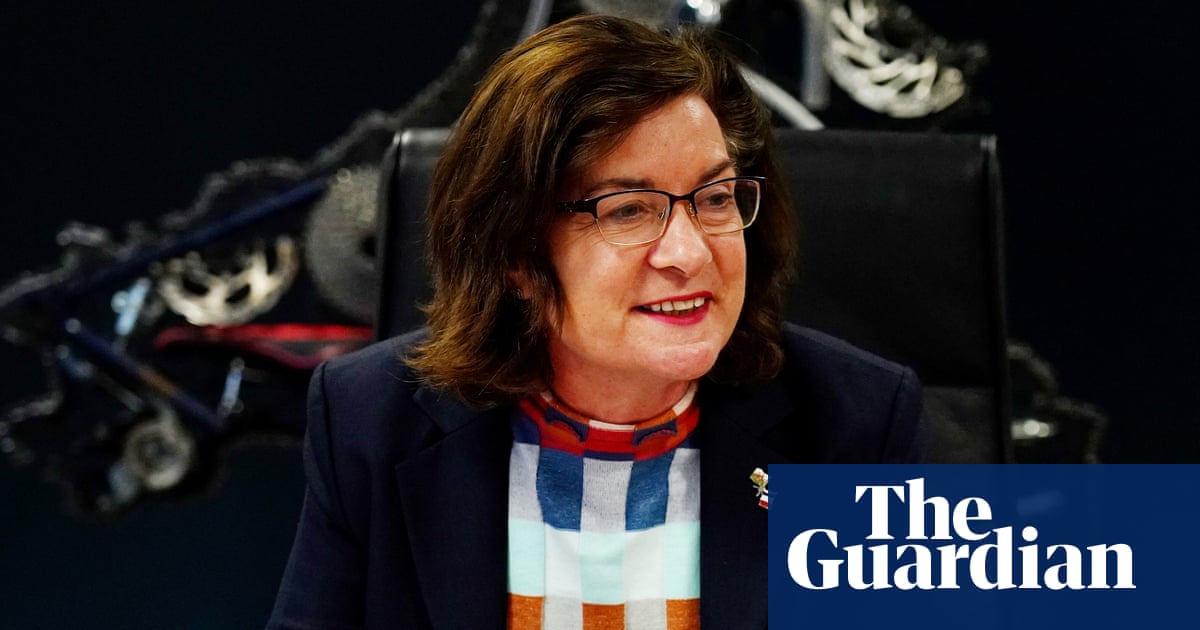
The political landscape in Wales is rapidly evolving as we approach the May elections. The Labour First Minister, Eluned Morgan, is urging voters to prioritize the future of Wales rather than using their votes as a referendum on Keir Starmer’s leadership. This call for focus on local issues comes amidst a challenging environment for Labour, which is facing the possibility of dropping to third place in the upcoming Senedd elections.
A Call for Focus on Local Priorities
In her recent interview, Morgan emphasized the importance of directing attention to the needs of the Welsh community rather than sending protest votes to the Prime Minister. She articulated a few key points:
- Immediate Concerns: Morgan stressed that the stakes are high for the economy and public services, especially with pro-independence parties like Plaid Cymru and the Greens potentially gaining power.
- Labour’s Historical Context: She reminded voters that Labour has been governing Wales for 26 years, a tenure from which they have learned valuable lessons on governance, especially in contrast to the relatively new UK government.
- Pressure from Polls: Current polling indicates that Labour could be surpassed by Reform UK and Plaid Cymru, which reflects a growing public desire for change.
Starmer’s Leadership Under Scrutiny
Despite the challenges facing Labour, Morgan expressed confidence in Starmer’s ability to manage the party and the country effectively. However, she refrained from commenting on whether he should lead the party into the next general election, recognizing the pressure that would mount if Labour performs poorly in Wales.
She noted, “If Labour performed badly in Wales in May, the heat will be put up on Keir.” This statement encapsulates the precarious position the party finds itself in as it navigates internal and external pressures.
Economic Considerations and the EU Relationship
Turning to economic issues, Morgan highlighted the need for Wales to maintain a strong trading relationship with the EU, given that a significant portion of Welsh exports is goods-based. She pointed out:
- Impact of Brexit: Wales has been disproportionately affected by the consequences of Brexit, particularly in terms of job losses and trade reductions, especially in communities that voted for Brexit.
- Long-term Goals: While she acknowledged that now is not the time to rejoin the EU, she believes that having that option on the table for the future is essential.
Concerns Over Independence and Political Divisions
Morgan raised alarms about the potential for pro-independence parties to dominate Welsh politics, warning that it could lead to significant distractions from essential governance. She expressed concerns about:
- Funding Gaps: The £14 billion funding gap poses dire implications for public services and prosperity in Wales, particularly if nationalist parties continue to push for independence without a clear financial plan.
- Reform UK’s Rise: She cautioned against the “politics of anger and division” that Reform UK represents, suggesting that voters should be wary of this “recycled Tory” party.
Conclusion
As the elections draw near, the Welsh electorate faces a pivotal decision that could shape the future of the region. Eluned Morgan’s insights provide a valuable perspective on the challenges and opportunities ahead, urging voters to prioritize their community’s needs over national party politics.
For a deeper understanding of these issues, I encourage readers to explore the original news article here.