



The High Stakes of the AGI Race: A Double-Edged Sword
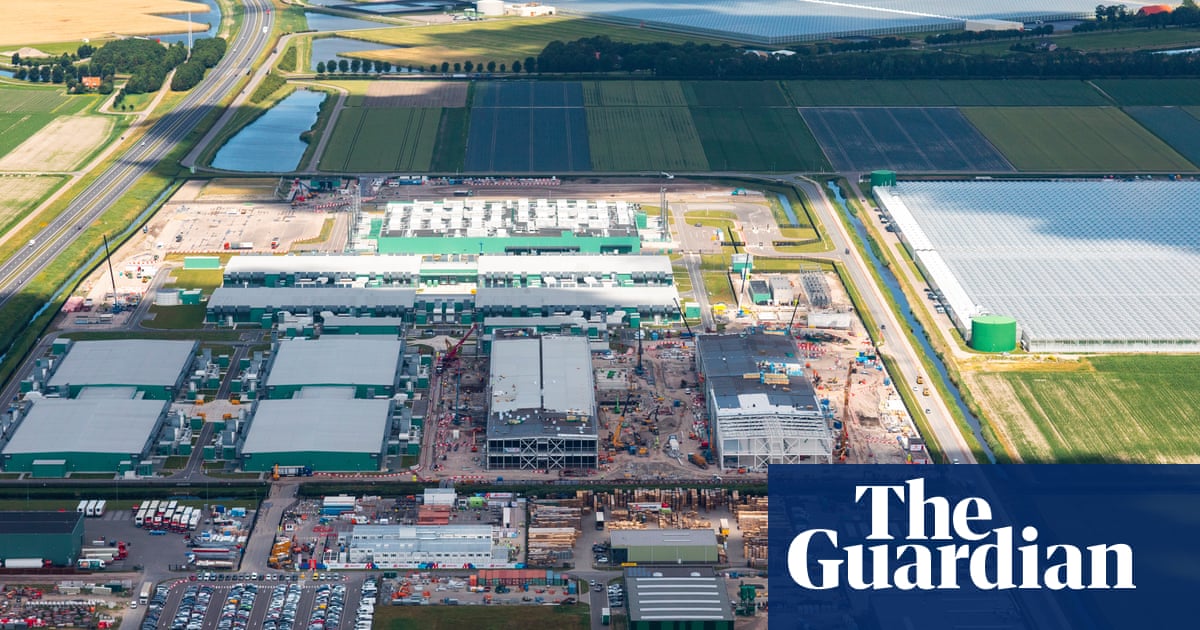
As we delve into the escalating race towards artificial general intelligence (AGI), the stakes couldn’t be higher. The financial implications are staggering, with estimates suggesting that nearly $2.9 trillion is being funneled into datacenters, the backbone of AI technology. Coupled with Nvidia’s market capitalization exceeding $4 trillion and astronomical signing bonuses offered by tech giants, we find ourselves at a precarious juncture where the future of finance hangs in the balance.
The Allure of AGI
AGI represents a paradigm shift—an AI capable of performing tasks at human-like intelligence levels across various domains. This theoretical potential holds the promise of automating lucrative white-collar jobs, thereby significantly altering the economic landscape.
- AGI could lead to massive profitability without the associated costs of human labor.
- Investors are banking on this technology, expecting substantial returns on their trillions invested.
However, the question looms: What if this technological promise falls short? The repercussions could be dire, affecting not only the stock markets but also personal wealth and broader economic growth.
The Risks of Overexposure
Industry leaders are vocal about the need for tangible results in AGI. David Cahn from Sequoia Capital highlights a critical point: “Nothing short of AGI will be enough to justify the investments now being proposed for the coming decade.” This urgency places immense pressure on the industry to deliver.
Yoshua Bengio, a prominent figure in AI development, warns of potential stagnation. He suggests that if unforeseen challenges arise, we could face a financial downturn akin to the 2008 crisis. The fear is that investors expect continuous advancements, which may not materialize as anticipated.
Scaling Up: Is Bigger Always Better?
David Bader from the New Jersey Institute of Technology raises a crucial concern regarding the current scaling efforts in AI technology. The assumption that simply increasing computing power will lead to AGI might be fundamentally flawed. He likens it to “trying to reach the moon by building taller ladders,” emphasizing the danger of optimizing an architecture that might not be sufficient for achieving AGI.
Yet, despite these concerns, major US tech firms continue to invest heavily in datacenters, buoyed by their profitable operations. This financial cushion does provide some insulation against potential future setbacks.
The Shadow of Debt and Market Vulnerability
The scale of investment in AI has led to significant reliance on various debt markets. Analysts predict that $2.9 trillion will be required for datacenter expansions by 2028, with a substantial portion financed through private credit. This dependence on high-risk debt raises flags for regulators, as the potential for a market correction looms large.
- AI-related sectors now account for about 15% of investment-grade debt in the US.
- There is a growing concern over the interconnectedness of debt markets and the potential for widespread financial contagion.
The situation is further complicated by the speculative nature of tech stock valuations, with the “magnificent 7” tech giants disproportionately influencing the S&P 500 index. As the Bank of England has cautioned, the risk of sudden market corrections becomes more pronounced when these inflated valuations face reality.
Optimism Amidst Caution
Despite the risks, many industry leaders remain optimistic about the future of AI. Sundar Pichai and Jeff Bezos have both acknowledged the speculative elements of the current market but maintain faith in AI’s transformative potential. Their insights reflect a broader hope that generative AI will fundamentally reshape industries.
As tech analyst Benedict Evans points out, the significant investment in AI is not unreasonable when viewed in the context of other industries. While there are valid concerns regarding AGI, the advancements we are witnessing in generative AI suggest a major shift in how various sectors operate.
Conclusion: Navigating the Future
The race towards AGI is fraught with uncertainty. The potential for transformative change coexists with the risk of financial collapse should the technology fail to deliver on its promises. As we stand on the brink of this new era, the question remains: Will the trillions invested lead us to a future of abundance, or will we face a reckoning akin to past financial crises?
To gain further insights into this developing story, I invite you to read the original news at the source: The Guardian.