



Reinstatement of Mental Health Funding: A Critical Analysis
In a surprising turn of events, US health officials have reversed their earlier decision to cut nearly $2 billion in funding for mental health and substance use programs. This announcement came late Wednesday night, just a day after the abrupt decision to suspend these vital programs, which collectively represent a significant portion of the budget for the Substance Abuse and Mental Health Services Administration (SAMHSA).
The Implications of the Cuts
The initial cuts were not just numbers on a balance sheet; they would have had profound effects on numerous essential services, including:
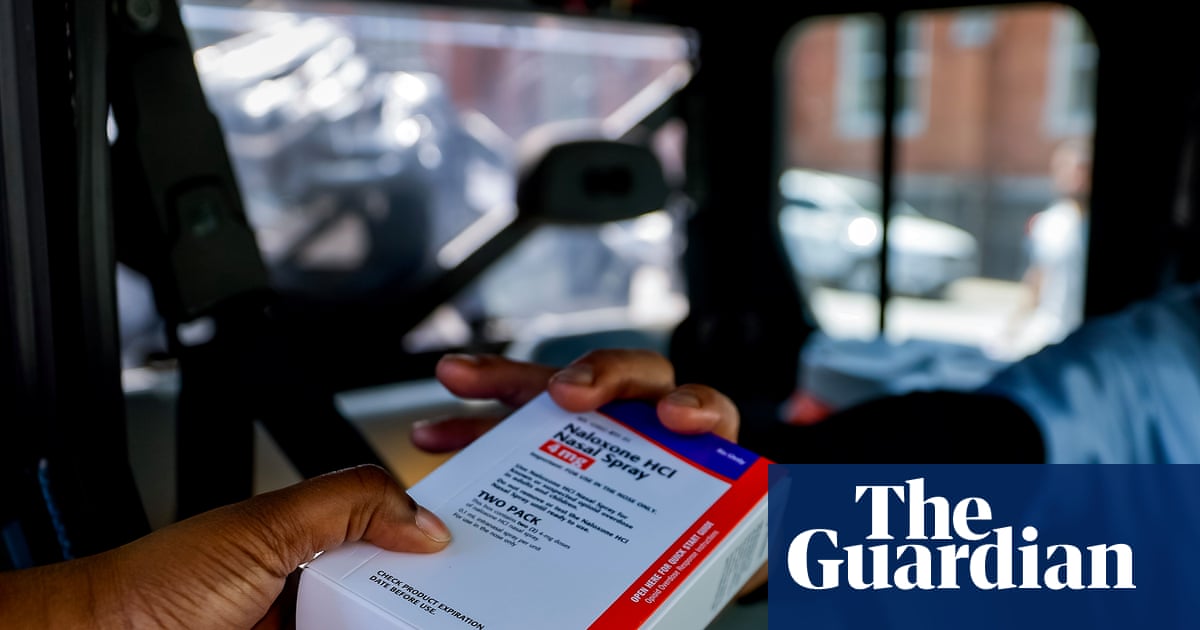
- Overdose prevention and reversal initiatives
- Mental health and substance use support for children
- Training and support for first responders
- Programs for pregnant and postpartum women
- Recovery support services
The backlash against these cuts was swift and fierce, highlighting the vital role that these programs play in our communities. Representative Rosa DeLauro’s comments encapsulate the widespread sentiment: “These are cuts he should not have issued in the first place, and they created uncertainty and confusion for families and healthcare providers.”
A Political Maneuver?
There are whispers that the reinstatement may be more than just a response to public outcry; it could also be a strategic political maneuver as Congress continues to negotiate the federal budget. DeLauro pointedly noted, “Congress holds the power of the purse, and the Secretary must follow the law.” This raises questions about the integrity of decision-making within the Department of Health and Human Services under Secretary Robert F. Kennedy Jr.
Senator Patty Murray echoed these concerns, emphasizing the chaos created by the initial cuts. She noted how first responders were forced to plan layoffs instead of focusing on their critical roles in combating the fentanyl crisis. Such disruptions not only affect service delivery but can also have dire consequences for public health.
Future Considerations
While this funding reinstatement is undoubtedly a win for mental health advocates, it does not erase the underlying issues that persist. Experts warn that the Trump administration’s broader agenda may continue to threaten the stability of health programs crucial to millions of Americans. Dr. Sunny Patel, a former SAMHSA official, articulated a crucial point: “This administration has shown its political project to systematically dismantle the behavioral health system.”
As we reflect on these developments, it becomes evident that advocacy is essential. The reinstatement of funds is a reminder that public pressure can yield significant results, but vigilance is necessary to ensure that services remain robust and protected in the face of ongoing threats.
Conclusion
The reinstatement of nearly $2 billion in mental health and substance use funding is a momentary victory for advocates and the communities that depend on these services. However, the potential for future cuts looms large, and it is imperative that we remain engaged and vocal in our support of these critical programs. As Dr. Patel noted, “Advocacy works,” and it is our collective responsibility to continue this fight for the well-being of our society.
For those interested in exploring the original source of this news, please follow this link.