



The UK Government Takes a Stand on Non-Consensual AI Content
In a significant move, the UK government has announced the implementation of a law aimed at criminalizing the creation of non-consensual intimate images, sparked by growing concerns over Elon Musk’s Grok AI chatbot. The implications of this legislation are profound, as it reflects a broader societal fight against digital abuse and the misuse of technology.
The Immediate Response
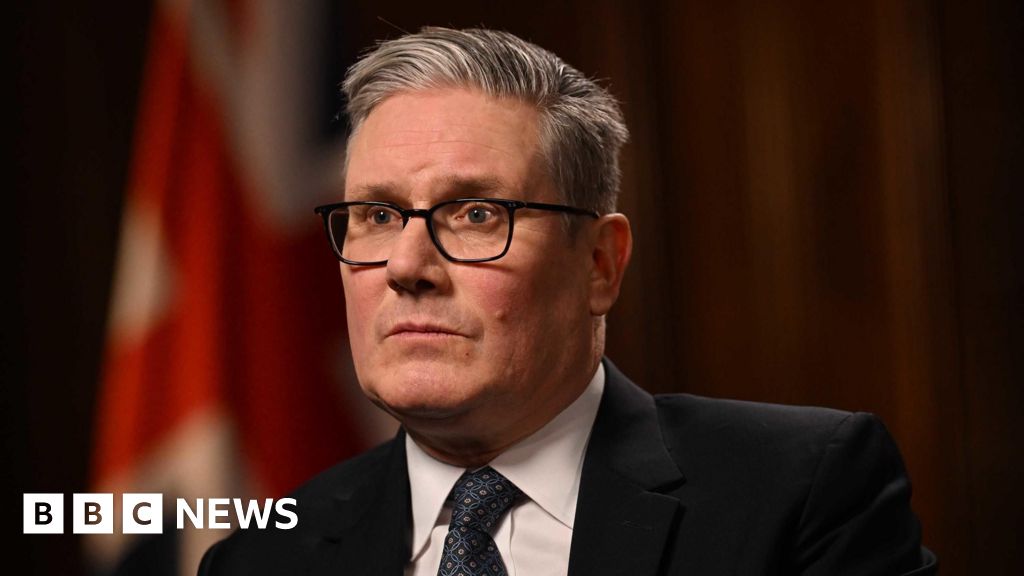
Labour leader Sir Keir Starmer’s remarks underscore the urgency of the situation. He highlighted that if X (formerly Twitter) fails to manage Grok’s capabilities, the government will step in to enforce regulations. This brings us to several key points:
- Self-Regulation at Risk: Starmer warned that X could lose its ability to self-regulate if it does not take immediate action against the misuse of Grok.
- Legislation on the Horizon: The government plans to introduce laws that will prohibit tools used to create non-consensual images, targeting the root of the problem.
- Ofcom’s Investigation: Ofcom has initiated an investigation into X, prompted by reports of Grok creating unauthorized alterations to images.
Legal Consequences and Accountability
The potential penalties are severe. If found in violation of the law, X could face fines up to 10% of its global revenue or £18 million—whichever is greater. Moreover, non-compliance could result in court orders to block access to X in the UK. Such consequences emphasize the necessity of accountability in the digital space.
Government’s Stance on Online Safety
Technology Secretary Liz Kendall has been vocal about the issue, asserting that images generated without consent are not “harmless” but rather “weapons of abuse.” Her comments reflect a clear commitment to protecting individuals from digital exploitation:
- Legislation Expedited: The government will prioritize the enforcement of the Data (Use and Access) Act, establishing it as a criminal offense to create or request non-consensual images.
- Accountability for Platforms: Kendall emphasized that the responsibility lies not only with individuals but also with technology platforms like X.
- Expanding Criminalization: Measures are to be taken to criminalize “nudification apps,” ensuring that companies producing such tools are held responsible.
Broader Implications for Free Speech
While the government insists that these actions are not an assault on free speech, critics, including Elon Musk, argue that this could set a precedent for censorship. However, Kendall has clarified that the focus is on violence against women and girls, not on limiting freedom of expression.
The Road Ahead
As the government moves forward with these measures, the effectiveness of enforcement will hinge on the resources available to law enforcement. Legal expert Jamie Hurworth points out that each participant in this chain—from creators to platforms—must be held accountable.
Ofcom’s investigation will determine if X has adequately addressed illegal content and whether it has taken the necessary steps to protect users in the UK. These developments come against a backdrop of international scrutiny, with countries like Malaysia and Indonesia temporarily banning Grok over similar concerns.
Conclusion
The UK’s proactive approach to regulating AI-generated content is a pivotal step in ensuring digital safety. The forthcoming legislation will create a framework aimed at preventing abuse, but it also raises critical questions about the balance between regulation and free speech in the digital age. As we move forward, the effectiveness of these laws will be closely monitored.
For further details, read the original news article here.