



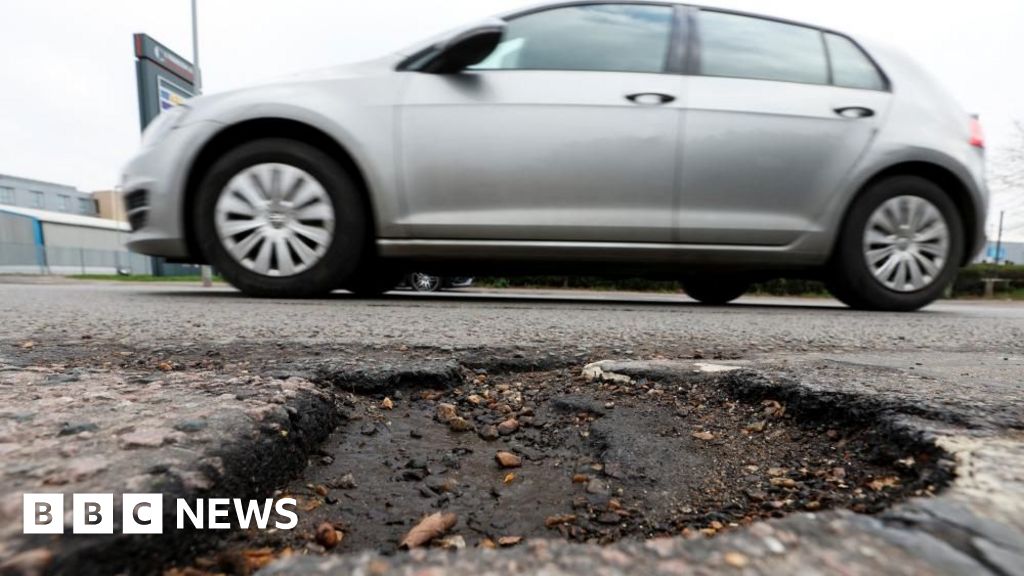
New Mapping Tool for Pothole Management in England
The introduction of a new mapping tool and traffic light rating system for roads in England marks a significant step towards addressing the persistent issue of potholes that plague our roadways. This initiative, aimed at increasing transparency and accountability among local authorities, is long overdue and reflects a growing recognition of the need for practical solutions to a problem that affects the daily lives of motorists.
Understanding the Ratings
The Department for Transport (DfT) has provided a clear visual representation of how local councils are performing in terms of road maintenance. Here are some key takeaways:
- Thirteen councils received a “red” rating, indicating poor road conditions and ineffective use of government funds.
- Areas like Cumberland, Bolton, and Derbyshire are at the bottom of the scale.
- In contrast, councils such as Essex and Wiltshire received a green rating for their effective management.
As Transport Secretary Heidi Alexander has pointed out, drivers have been “paying the price for too long,” facing not just inconvenience but also financial strain due to vehicle damage from potholes. It’s refreshing to see that the government is finally allocating resources to rectify this situation, with a commitment of £7.3 billion over the next four years aimed at road repairs.
Financial Impact on Motorists
The financial burden on drivers cannot be overstated. According to the RAC, damaged roads lead to significant costs, with an average of £590 spent on repairs due to pothole damage, and some motorists reporting expenses exceeding £1,000. Common issues include:
- Damaged shock absorbers
- Broken suspension springs
- Distorted wheels
This financial impact highlights the urgent need for effective maintenance strategies that not only address current pothole issues but prevent them from arising in the first place.
Future Funding and Accountability
The government’s approach to link future funding to performance is a step in the right direction. It encourages local authorities to be more efficient with taxpayer money, ensuring that roads are not just patched up but properly maintained. However, it is essential to note that:
- Performance metrics must be clearly defined and measured.
- Long-term funding certainty is crucial to enable councils to plan and implement effective road maintenance strategies.
Tom Hunt from the Local Government Association has emphasized the importance of both immediate funding boosts and a sustainable, long-term strategy to combat the £17 billion backlog of road repairs. This dual approach could ultimately save taxpayer money and enhance road safety.
Criticism and Concerns
Despite the optimism surrounding this initiative, skepticism remains. Shadow Transport Secretary Richard Holden has rightly pointed out that a mere map won’t resolve the pressing issues facing motorists. Real, tangible action is needed to ensure that roads are safe and well-maintained.
As we move forward, it remains imperative for both local authorities and the government to prioritize road maintenance. The mapping tool is a good start, but it must be supported by effective strategies and a commitment to long-term investment in our infrastructure.
For those interested in diving deeper into this topic, I encourage you to read the original news article here.