



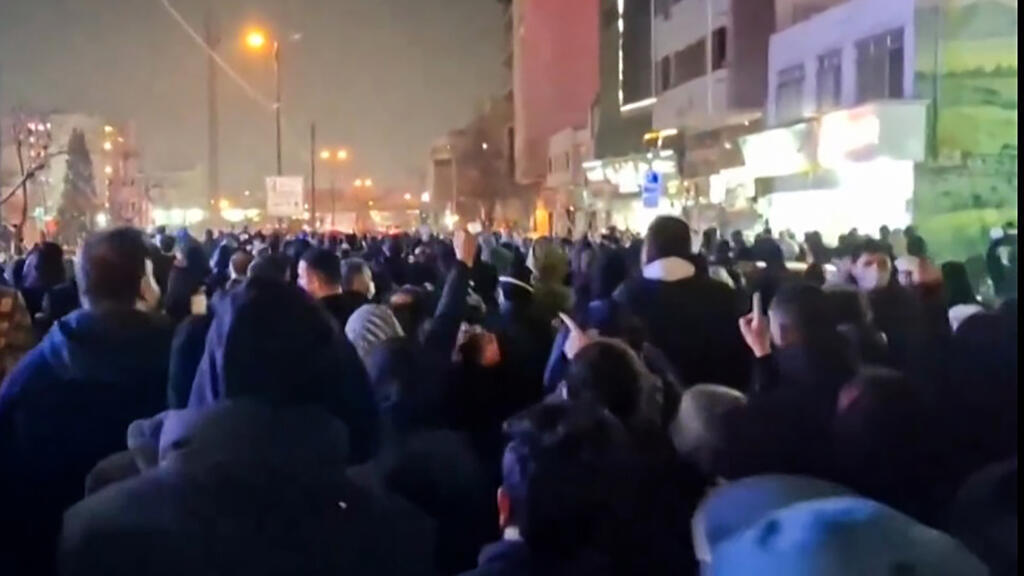
Iran’s Turmoil: Khamenei’s Warning to Protesters
In a recent development that echoes the ongoing tensions within Iran, Supreme Leader Ayatollah Ali Khamenei delivered a pointed speech accusing protesters of serving foreign interests, particularly those of former US President Donald Trump. This intense rhetoric comes on the heels of what has been described as the largest wave of protests in Iran in nearly two weeks, raising questions about the government’s stance and the future of civil unrest in the nation.
Key Takeaways from Khamenei’s Address
- Accusations of Foreign Influence: Khamenei’s assertion that protesters are acting as “mercenaries for foreigners” signals a deepening paranoia regarding external influence in domestic affairs.
- Zero Tolerance for Dissent: The Supreme Leader’s warning that Tehran will not tolerate “saboteurs” indicates a hardline approach to quell dissent, suggesting that the government is prepared to use force if necessary.
- Political Climate: The timing of Khamenei’s speech, following significant protests, underscores the fragile state of Iran’s political landscape, where public discontent is palpable.
- Implications for Future Protests: This kind of inflammatory rhetoric may incite further unrest, as protesters may feel even more emboldened to express their grievances against the regime.
My Perspective
The tone of Khamenei’s speech reflects a government increasingly cornered by its own people. The accusation that protesters are acting on behalf of a foreign leader not only undermines their legitimate grievances but also attempts to frame the narrative as one of national loyalty versus betrayal. This tactic can be a double-edged sword; while it may rally some staunch supporters, it could also alienate many who see their struggles as being rooted in legitimate calls for change rather than foreign manipulation.
The Iranian government’s response to protests has historically been one of suppression. However, the sheer scale of the recent demonstrations suggests that the populace is unwilling to back down. Khamenei’s aggressive stance may serve to galvanize dissent even further, as it creates an “us versus them” scenario that often fuels the fire of revolution.
As we monitor this situation, it is crucial to understand the underlying factors contributing to the unrest in Iran—economic struggles, social injustices, and a desire for greater freedoms. These are issues that cannot be ignored or deflected by the narrative of foreign interference.
In conclusion, while Khamenei’s rhetoric may attempt to discourage protest, it is likely to have the opposite effect. The coming weeks will be critical in determining how the Iranian government navigates this turbulent landscape.
For further details, I encourage you to read the original news article here.