



The Impact of Menstrual Cycles on Gambling Addiction
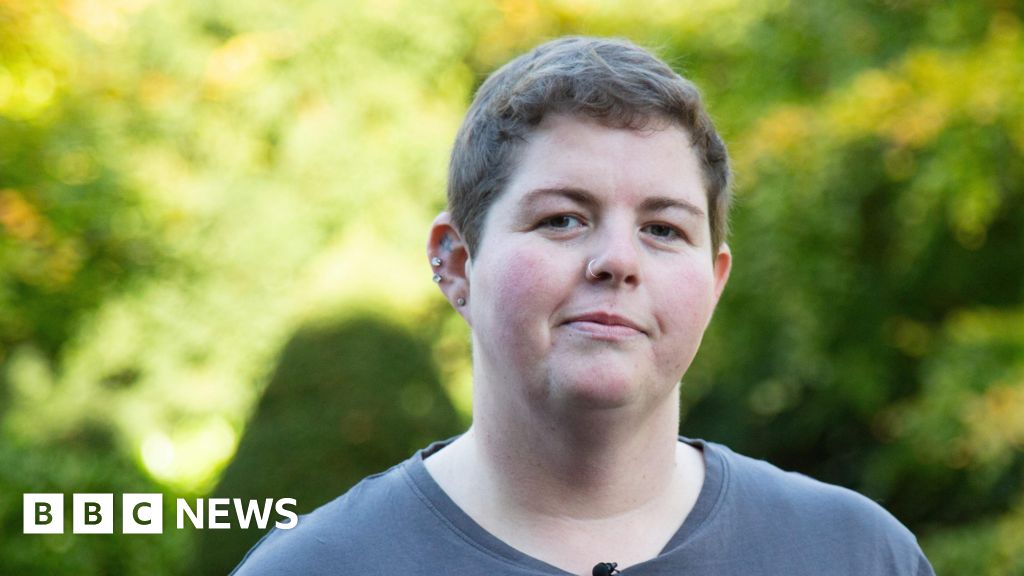
Recent revelations from the experiences of Abbie Harvey and Kiki Marriott shed light on the profound connection between hormonal fluctuations and gambling behaviors. Both women have bravely shared their personal battles with gambling addiction, revealing a disturbing pattern: their urges to gamble intensified during specific phases of their menstrual cycles.
The Struggles of Abbie Harvey
Abbie’s tale is one of desperation and addiction. She could not drive for even 20 minutes without succumbing to the urge to gamble. Her struggle, which lasted over a decade, resulted in losses exceeding £20,000.
According to Abbie:
- “To get over being emotional, I would use gambling as a coping strategy.”
- Her addiction was so pervasive that she found herself gambling at all hours, even during late-night drives.
Kiki Marriott’s Experience
Kiki’s story is equally harrowing. She noticed a drastic increase in her gambling during the week before her period. Her addiction led her to contemplate suicide, feeling as though she was in a “slow and painful death.” In her words:
- “I didn’t care whether I lived or died.”
- Her compulsive behaviors peaked during hormonal fluctuations, leading to reckless financial decisions.
Researching the Connection
Researchers at the University of Birmingham, in collaboration with the Gordon Moody gambling harms charity, are investigating the link between hormonal changes and gambling addiction. Their findings could potentially reshape how we understand gambling behaviors in women. Some key points include:
- Women are more prone to impulsive behaviors and risky decisions during ovulation and just before menstruation.
- The study aims to explore whether hormone-regulating medications might alleviate gambling cravings.
The Role of Rehabilitation Centers
Parkland Place Rehabilitation Centre, where both women received treatment, recognizes the impact of menstrual cycles on gambling behaviors. Cheryl Williams, the center’s manager, emphasizes:
- Only 25% of individuals seeking treatment are women, highlighting the stigma and challenges they face.
- Staff are attentive to the fluctuations in gambling behavior related to the menstrual cycle, adapting their support accordingly.
Future Directions in Research
The ongoing research project is expected to take four years, with hopes of uncovering more about women’s health and addiction. Dr. Rosalind Baker-Frampton, clinical director of Gordon Moody, notes:
- Understanding the link between hormonal fluctuations and gambling could lead to more effective treatments.
- There is a pressing need for further exploration into how these cycles impact decision-making and addictive behaviors.
Conclusion
Both Abbie and Kiki now utilize strategies to mitigate their gambling urges during specific times in their cycles. They advocate for more awareness and research into the intricate relationship between women’s health and gambling addiction. As Kiki aptly put it:
“There’s a hell of a lot more work to be done when it comes to your menstrual cycle and addiction.”
If you are interested in a deeper exploration of this issue, I encourage you to read the original article here.