



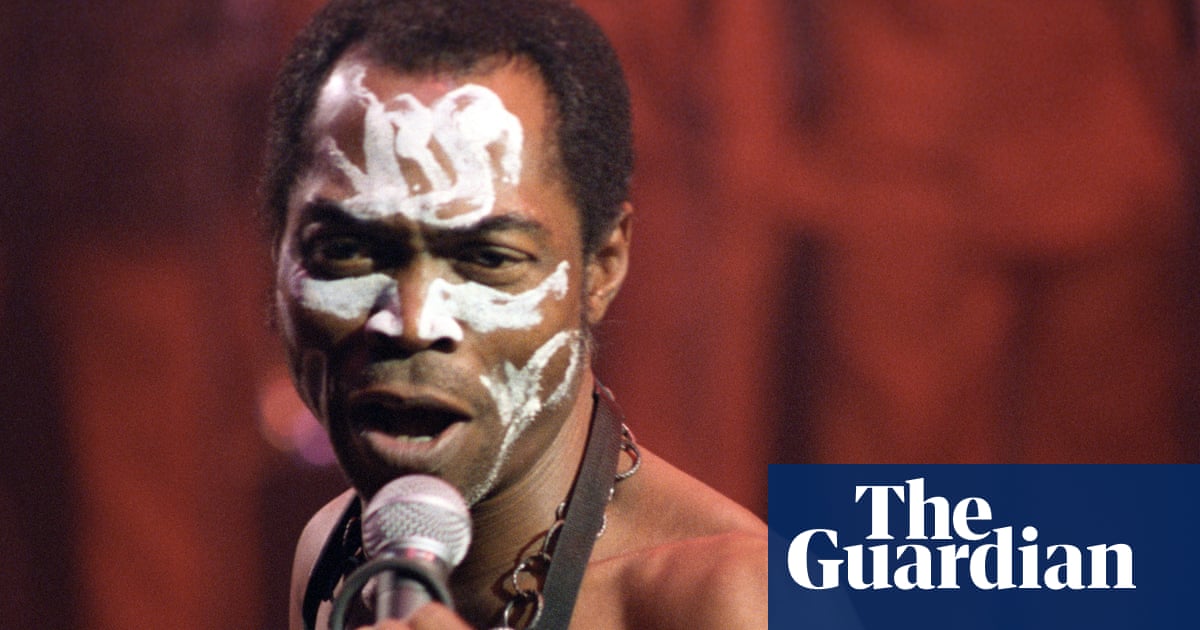
Reflections on Fela Kuti: Art, Activism, and Legacy
In a recent conversation, artist Lemi Ghariokwu shared his poignant memories of the late Fela Aníkúlápó Kuti, the legendary figure of Afrobeat. His recollections are both illuminating and haunting, especially as they revisit the violent raid on Kuti’s Kalakuta Republic in 1977, a pivotal moment that marked the intersection of music, politics, and personal tragedy.
The Flames of History
Ghariokwu paints a vivid picture of the chaos during the raid, describing a scene of brutality where soldiers dragged away the wounded while Kuti’s life hung in the balance. This event not only signified a turning point in Kuti’s struggle against the Nigerian military regime but also catalyzed a rift in his friendship with Ghariokwu.
Encountering the Legend
Reflecting on their first meeting, Ghariokwu recalls stepping into Kalakuta three years earlier, where the atmosphere was electric with creativity and rebellion. His initial encounter with Kuti was marked by intimidation, yet it laid the foundation for a deep artistic collaboration.
Key Moments from Their Relationship:
- Ghariokwu’s first artwork for Kuti, a portrait that charmed the Afrobeat pioneer.
- The commissioning of the album cover for Alagbon Close, which symbolized Kuti’s revolutionary spirit.
- The mutual influence they had on each other, with Kuti introducing Ghariokwu to literature that shaped his worldview.
The Aftermath of Violence
The 1977 raid shattered both the physical space of Kalakuta and the personal bonds within it. Ghariokwu’s heart-wrenching account of Kuti’s mother being thrown from a window underscores the human cost of political oppression. This personal loss weighed heavily on Kuti, forever altering his music and message.
Art as Resistance
Throughout their collaboration, Ghariokwu’s artwork served as a powerful form of resistance against the oppressive regime. His album covers were not just visual representations; they were bold statements that challenged societal norms.
Notable Works and Themes:
- Ikoyi Blindness: A satirical take on the elite class.
- Yellow Fever: Addressing the issue of skin bleaching in Africa.
- No Bread: A chaotic representation of societal struggles.
Creative Differences and Legacy
However, as their paths diverged, disagreements arose. Ghariokwu’s artistic freedom was tested, culminating in a rupture that saw him step away from Kalakuta. Yet, their relationship eventually healed, allowing them to collaborate once again before Kuti’s untimely passing.
A Lasting Impact
Ghariokwu’s reflections on his time with Kuti reveal how deeply intertwined their legacies are. Fela Kuti’s fight for justice resonated through his music, while Ghariokwu’s art captured and amplified that message for generations to come.
In closing, it is evident that the collaboration between Ghariokwu and Kuti was not merely a partnership; it was a revolutionary act of cultural expression that transcends time. As we look at their contributions today, we must recognize the vital role of art in the ongoing struggle for justice and identity.
For a deeper dive into this fascinating narrative, I encourage you to read the original news article here.