



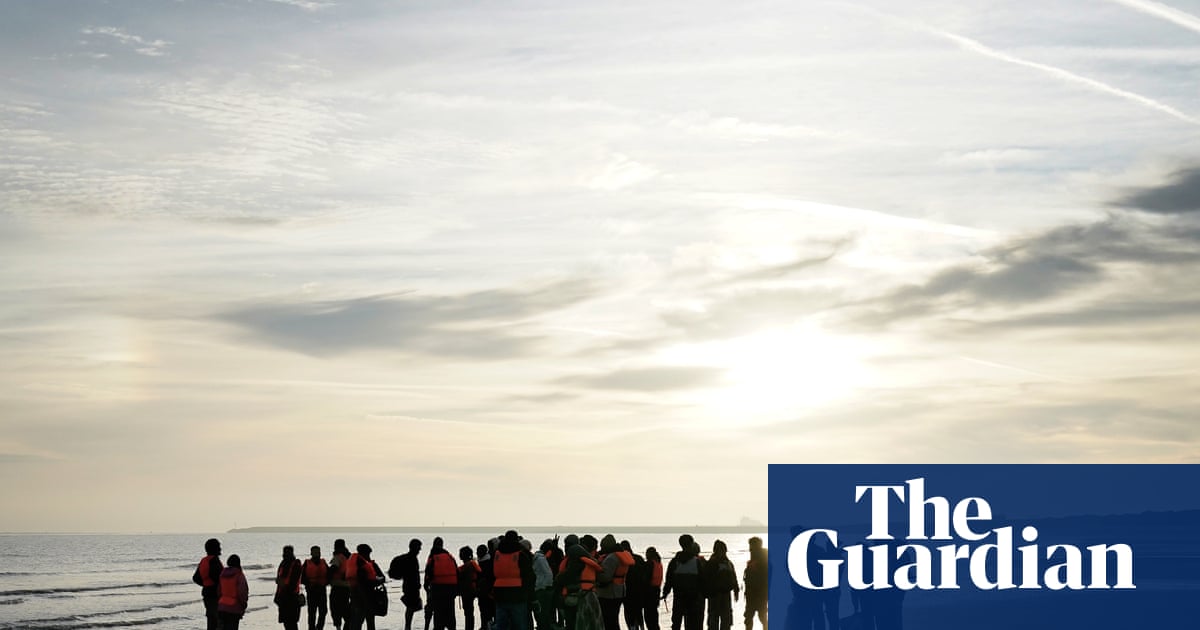
The Rising Tide of Channel Crossings: An Analysis of 2025’s Migration Figures
In a stark revelation, the Home Office has reported that over 41,000 individuals crossed the Channel in small boats last year. This figure, which they describe as “shameful,” reflects a growing crisis in migration that demands our attention and scrutiny.
Understanding the Numbers
The data shows that 41,472 people made the perilous journey to the UK in 2025, marking the second highest number recorded, just shy of the 2022 total of 45,774. Notably, this represents a 13% increase from 2024, indicating that the issue is not only persistent but escalating:
- Early in the year, crossings were at an all-time high.
- The pace of arrivals slowed considerably in the last two months of 2025.
Political Responses and Promises
Labour leader Keir Starmer campaigned in 2024 with a strong commitment to “smash the gangs” responsible for facilitating these crossings. His efforts culminated in a controversial “one-in, one-out” returns agreement with France, aimed at dissuading future crossings. The Home Office, in response to the alarming statistics, has asserted:
- The government is actively removing illegal migrants, with almost 50,000 removals reported.
- A historic deal with France aims to increase deportations of those arriving via small boats.
- Plans for sweeping reforms to address illegal migration have been laid out.
Criticism and Controversies
Not everyone is convinced by these measures. Nigel Farage, leader of Reform UK, has labeled Starmer’s strategies as a “complete disaster,” voicing concerns about the potential societal impacts of the young men arriving. The Conservative narrative suggests that these foreign nationals are more likely to engage in criminal behavior, yet reports from the University of Oxford’s Migration Observatory highlight a lack of reliable data to substantiate such claims.
Chris Philp, the Conservative shadow home secretary, insists that substantial policy changes, including withdrawing from the European Convention on Human Rights (ECHR), are essential for meaningful progress. He argues:
- Labour’s approach is merely cosmetic.
- Only 5% of arrivals have been removed, indicating a lack of effective deterrents.
Legislative Changes on the Horizon
In December, the Border Security, Asylum and Immigration Act was enacted, which introduces new offenses and empowers law enforcement with counter-terrorism-style measures to combat people-smuggling networks. Home Secretary Shabana Mahmood has also proposed significant changes to the asylum system, drawing inspiration from the Danish model:
- Refugee status will become temporary, with reviews every 30 months.
- Permanent settlement will be contingent on a 20-year wait, increased from five years.
A Humanitarian Perspective
Enver Solomon, CEO of the Refugee Council, has voiced a critical perspective on these developments. He emphasizes that most individuals risking their lives to cross the Channel are fleeing from oppressive regimes and violent conflicts:
- These journeys are made out of desperation and a need for safety.
- Government plans that penalize refugees are viewed as unfair and ineffective.
Concluding Thoughts
The situation we are witnessing is not merely a statistic; it is a complex humanitarian crisis that demands a balanced approach. As the UK grapples with these challenges, it is essential to consider both the need for national security and the moral imperative to protect vulnerable individuals seeking refuge.
For further details and to read the original news article, please visit The Guardian.