



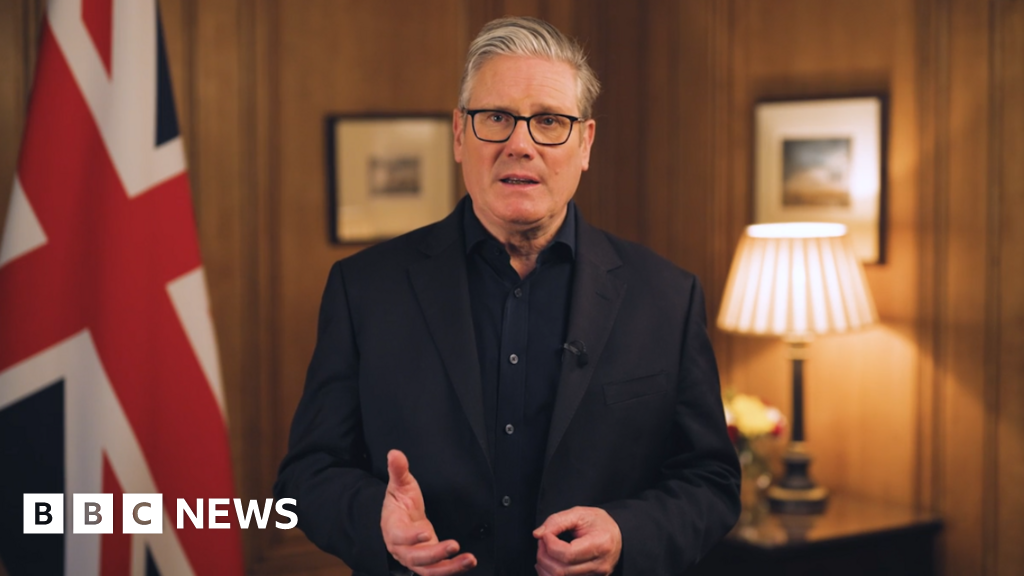
2026: A Year of Promises and Political Tension
As we step into 2026, the political landscape in the UK is as charged as ever, with leaders from various parties outlining their visions for the upcoming year. Prime Minister Sir Keir Starmer and Conservative leader Kemi Badenoch have both delivered their new year messages, each reflecting their party’s stance on the challenges facing the nation and their proposed solutions. But beneath the surface of optimism lies a sea of uncertainty that could reshape the political fabric of the country.
Starmer’s Vision for a Positive Change
In his new year address, Sir Keir Starmer has made a bold promise to “defeat the decline and division offered by others.” His message is clear: he wants the public to start feeling a sense of improvement in their daily lives. Here are the key points from his address:
- Starmer acknowledged the difficulties faced by the nation, stating that “things have been tough in Britain for a while.”
- He highlighted potential improvements such as lower bills, increased police presence, and new health hubs.
- The PM emphasized the importance of patience, arguing that meaningful change takes time and cannot be achieved overnight.
- Starmer assured the public that 2026 would bring a “positive change” in various sectors, including health and community services.
While his intentions are commendable, one must question the feasibility of these promises amidst a backdrop of slowing economic growth and poor poll ratings. Starmer’s assertion that hope and renewal are on the horizon is met with skepticism by those who have been grappling with the harsh realities of rising living costs and stagnant wages.
Badenoch’s Counter-Narrative
In contrast, Kemi Badenoch’s message paints a different picture of the past year. She described 2025 as a year of “no growth, higher taxes, and record unemployment.” Here are her main points:
- Badenoch argued that Britain is “not destined for decline,” insisting her party’s plans would support businesses and ultimately uplift the economy.
- She emphasized the need to fund critical sectors like the armed forces, police, and NHS to restore national pride.
Her criticism of the current government’s performance highlights a significant divide in how each party perceives the state of the nation. While both leaders acknowledge the challenges, their approaches to resolving them diverge sharply.
The Road Ahead
As we look toward the upcoming local elections in May, political tensions are set to escalate. The Liberal Democrats and Reform UK are gearing up to capitalize on the dissatisfaction with the current government:
- Lib Dem leader Sir Ed Davey expressed confidence in his party’s potential to “win again in 2026,” following a successful previous election.
- Reform UK leader Nigel Farage emphasized that his party is offering “hope” and “change,” aiming to address the growing concerns about the economy and employment.
Farage’s critique of both Labour and the Conservatives for their lack of understanding of modern economic challenges, such as cryptocurrency and AI, suggests a shift in political discourse that could resonate with younger voters looking for innovative solutions.
A Call for Reflection
As we enter this critical year, the political landscape is not just about policies and promises; it’s about the people’s experience and the palpable tension between hope and disillusionment. The upcoming elections will be pivotal, not only for the respective parties but for the nation’s direction as a whole.
In conclusion, the year ahead promises to be a tumultuous one, filled with political maneuvering and the ever-pressing question of whether the people of Britain will see the positive changes they so desperately need. I encourage you to stay informed and engaged as these events unfold.
For more details on this story, please read the original news at the BBC News.