



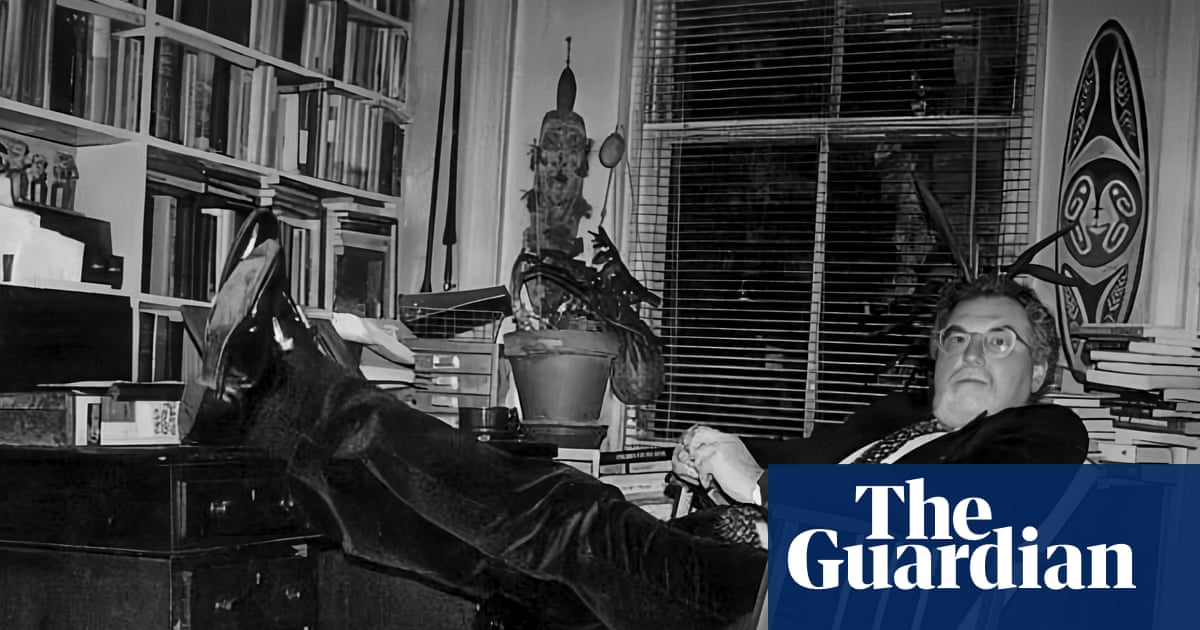
Remembering Roland Littlewood: A Pioneer in Psychiatry and Anthropology
The recent passing of Roland Littlewood at the age of 78 marks the end of an era for those in the fields of psychiatry and anthropology. His contributions to our understanding of how cultural values shape health and healing practices are both profound and lasting. As we reflect on his life and legacy, it is essential to recognize the unique intersections of his work that enriched both disciplines.
A Life Dedicated to Understanding Health Through Culture
Roland’s journey began in Leicester, where he was born to an academic family. His early education at Wyggeston Grammar School paved the way for a medical career at St Bartholomew’s Hospital Medical College. It was here, in 1969, that he met his future wife, leading to a partnership that spanned decades, both personally and professionally.
His extensive research took him to various parts of the world, including:
- Trinidad: Studying the spiritual practices of Mother Earth and the Earth People.
- Haiti: Exploring the intricacies of voodoo and its healing aspects.
- Lebanon: Observing the unique beliefs of the Druze sect.
These experiences not only shaped his academic pursuits but also enriched his personal life, as noted during his time in Trinidad when he formed a deep bond with Mother Earth and her followers.
Bridging Psychiatry and Anthropology
Roland’s approach to psychiatry was notably holistic. He spent significant time with patients, aiming to understand their perceptions of illness and healing. This dedication culminated in his influential book, Aliens and Alienists, co-authored with Maurice Lipsedge, which critically examined how societal prejudices impact mental health.
His scholarship was recognized through various prestigious roles, including:
- President of the Royal Anthropological Institute (1994-1997)
- Visiting Fellow at All Souls College, Oxford (2007)
- Professor Emeritus at UCL until 2024
A Legacy of Resilience and Insight
Even in the face of illness, Roland remained committed to his work. Despite battling metastatic pancreatic cancer, he continued to collaborate on Between Anthropology and Psychiatry, a book set for publication in 2026. This tenacity speaks volumes about his character and dedication to his fields of study.
Roland leaves behind a loving family, including his wife, Leti, their daughter, and three grandchildren. His passing is not just a personal loss for those who knew him but also a significant loss for the academic communities he influenced.
In conclusion, Roland Littlewood’s work reminds us of the vital connections between culture and health. His legacy will undoubtedly inspire future generations to explore and appreciate the intricate tapestry of human experience.
For those interested in a more in-depth exploration of Roland Littlewood’s remarkable life and contributions, I encourage you to read the original news article.