



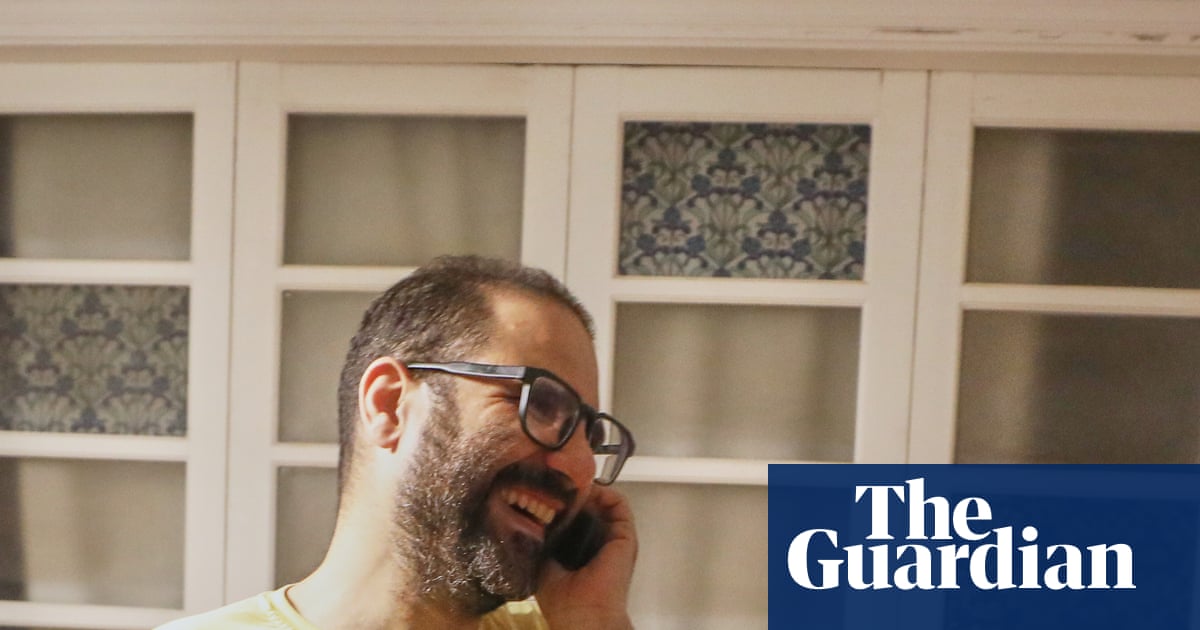
The Case of Alaa Abd el-Fattah: A Complex Intersection of Citizenship and Free Speech
The recent decision by the Home Office not to revoke British-Egyptian activist Alaa Abd el-Fattah’s citizenship has sparked significant debate and controversy. As a commentator, I find myself reflecting on the implications of this case for both the legal framework surrounding citizenship and the broader societal discourse on free speech and accountability.
Background: A Political Storm
Alaa Abd el-Fattah, who arrived in London from Egypt on Boxing Day, has become a focal point in a political storm due to his past social media posts. These posts, some of which are deeply offensive, include calls for violence against certain groups. The government sources have indicated that while his tweets are considered “abhorrent,” they do not meet the legal criteria for citizenship revocation.
Key Reactions and Statements
- Keir Starmer’s Support: The Labour leader expressed delight at Abd el-Fattah’s arrival, acknowledging the British government’s role in securing his release from an Egyptian prison.
- Condemnation of Tweets: Both Starmer and Prime Minister Rishi Sunak condemned the activist’s past statements, with Sunak admitting he was unaware of them prior to Abd el-Fattah’s arrival.
- Calls for Review: Foreign Secretary Yvette Cooper has initiated a review into the handling of Abd el-Fattah’s case, questioning the prior government’s lobbying efforts.
- Human Rights Concerns: Activists have expressed outrage at suggestions of stripping citizenship based on social media behavior, labeling it an authoritarian move.
Legal and Ethical Considerations
The Home Office’s stance is that the legal threshold for revoking citizenship has not been met, a position that raises important questions about the limits of governmental power in matters of citizenship. The legal bar is set high, primarily to protect individuals from arbitrary state actions. This is a critical safeguard in any democratic society.
The Slippery Slope Argument
Many experts, including Chris Doyle from the Council for Arab-British Understanding, caution against the precursors to stripping citizenship based on social media activity. The argument is clear:
- Citizenship should be viewed as a right, not a privilege that can be revoked based on political convenience.
- The context of Abd el-Fattah’s tweets—made in a highly charged political environment in Egypt—should be considered.
- There is a danger in allowing politicians to wield the power to revoke citizenship, as it could lead to targeting political opponents.
Public Opinion and Political Ramifications
Public opinion on this issue is divided. Some, like Conservative MP David Davis, express a nuanced view, acknowledging that while Abd el-Fattah’s citizenship should not be politically motivated, there are valid concerns about who is granted citizenship in the first place. Others argue that stripping citizenship for social media comments is a dangerous precedent.
Conclusion: A Matter of Principle
This case transcends the individual actions of one activist and taps into fundamental issues regarding citizenship, free speech, and the responsibilities that come with both. As the government continues to navigate this complex situation, it is imperative that we uphold the principles of justice and due process.
For those interested in a deeper understanding of the nuances surrounding Alaa Abd el-Fattah’s situation, I encourage you to read the original news article at the source: The Guardian.